The Popularity of Dystopian Novels
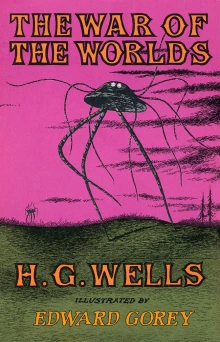
The growth of dystopian novels for all ages has exploded in the last 20 years. A genre that addresses societal fears as well as aspirations, dystopian literature is often considered an essential part of literature/reading programs from middle school through university. Dystopian books and series have been popular for over a hundred years with the publication of H.G. Well’s novel War of the Worlds serving as the first novel of alien invasion, which was published in 1898. Many of us have read a number of dystopian novels including seminal works such as 1984 by George Orwell (1949), Animal Farm by George Orwell (1950) and Fahrenheit 451 by Ray Bradbury (1953). It is an interesting phenomenon that this genre has become so popular with that popularity gaining significant growth after World War I and II. With the steady propulsion of progress across the 20th century, it is an interesting juxtaposition that dystopian thought has kept pace with such advancement.
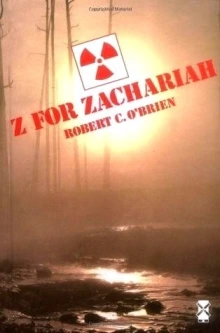
For young people, Z for Zacharia by Robert G. O’Brien (1974) and The Giver by Lois Lowry (1985) are considered two of the first dystopian novels for middle school readers. Additional popular books include series such as The Isis Trilogy by Monica Hughes (2000), Among the Hidden by Margaret Peterson Haddix (2000) and The Hunger Games by Suzanne Collins (2010). If we think of dystopian texts for young and adolescent readers, there are literally hundreds of novels available, any number of which have movies based on those books.
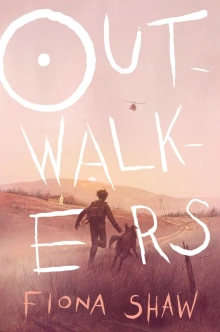
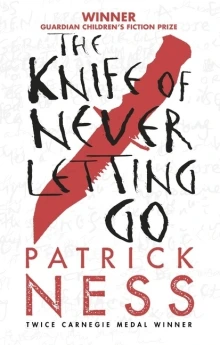
Dystopian literature is read worldwide and is a worldwide phenomenon with additions for young people such as Outwalkers by Fiona Shaw (2019), Icebreaker by Lian Tanner (2016), The Knife of Never Letting Go by Patrick Ness (2014) and Project Fin Island by Maya Klinger (2025). Neal Shusterman (2025) has recently released All Better Now, which clearly shows how dystopian novels work. Readers are left with the reality that human beings are both optimistic and dangerous—to themselves and others. Even as we desire a better world, it seems as though that is not possible because we are always left with ourselves.
Yet rather than being a genre of cynicism, dystopian novels engage us while giving us insight into ourselves, our societies, and perhaps how we might respond to world around us. They also inspire us to talk together as we ponder the human condition. It is of further interest, however, that dystopian novels are frequently challenged because of the presentation of government overreach and characters that challenge that authority, along with themes that highlight political dissent and societal control. Additional challenges include the presence of sexual autonomy, religious criticism, and discussions of diversity, equity and inclusion including issues of race, class and gender. Current dystopian titles also address post-apocryphal survival and the expectation that violence will be a part of survival.
Perhaps it goes without saying, but it seems that with the growth in the popularity of dystopian novels so does their censorship. \ Given the nature of the genre, that might just be irony.
With a new year ahead of us, it will be interesting to see what new dystopian works will find their way to our book stacks, and which we might want to revisit as a way of appreciating authors who were so prescient in their writing.
WOW Currents is a space to talk about forward-thinking trends in global children’s and adolescent literature and how we use that literature with students. “Currents” is a play on words for trends and timeliness and the way we talk about social media. We encourage you to participate by leaving comments and sharing this post with your peers. To view our complete offerings of WOW Currents, please visit its archival stream.