

WOW Dozen: Picturebooks to Build Empathy for the Experiences of Immigrant and Refugee Children
"The children are always ours, every single one of them, all over the globe; and I am beginning to suspect that whoever is incapable of recognizing this may be incapable of morality." (Baldwin, 1980)
There continues to be a great migration underway at this time in our shared global history. Whether due to social and political unrest, climate change leading to drought and famine or the depletion of natural resources, many parents are compelled to seek better lives for their families. Globally, many children are on the move.
In the United States, many children attend school with a diversity of classmates in terms of heritage country. Learning in the classroom community with immigrant and refugee classmates, they have the distinct benefit of an opportunity to learn with and from their non-U.S. born peers and their families. They can have first-hand experiences related to many aspects of their classmates' cultures--beliefs, languages, religions and traditions other than their own. Other children may learn in classrooms where all or the majority of students are born in their own country and in homes with similar backgrounds.
Regardless of the cultural characteristics of their classmates, the global literature children and educators read together can spark deep conversations about similarities and differences among children's life experiences. Entering into the worlds of immigrant and refugee children, especially at this point in time, can build greater understanding and help young people develop empathy for the lived experiences of their peers at home and around the globe.
Image
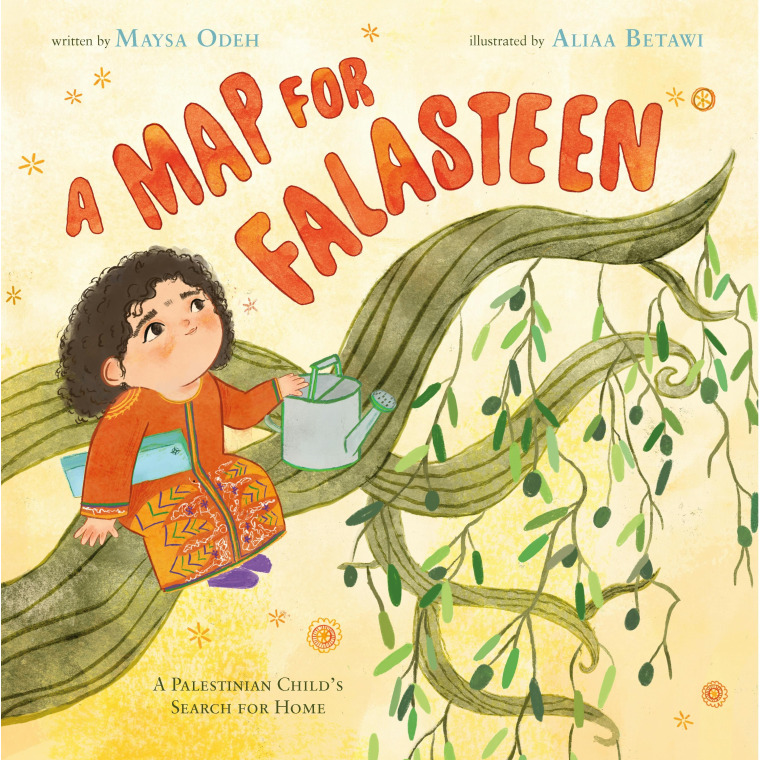
When her teacher points out that Palestine is not on the map, Falasteen learns from her family what they left behind lives in their hearts. | Image
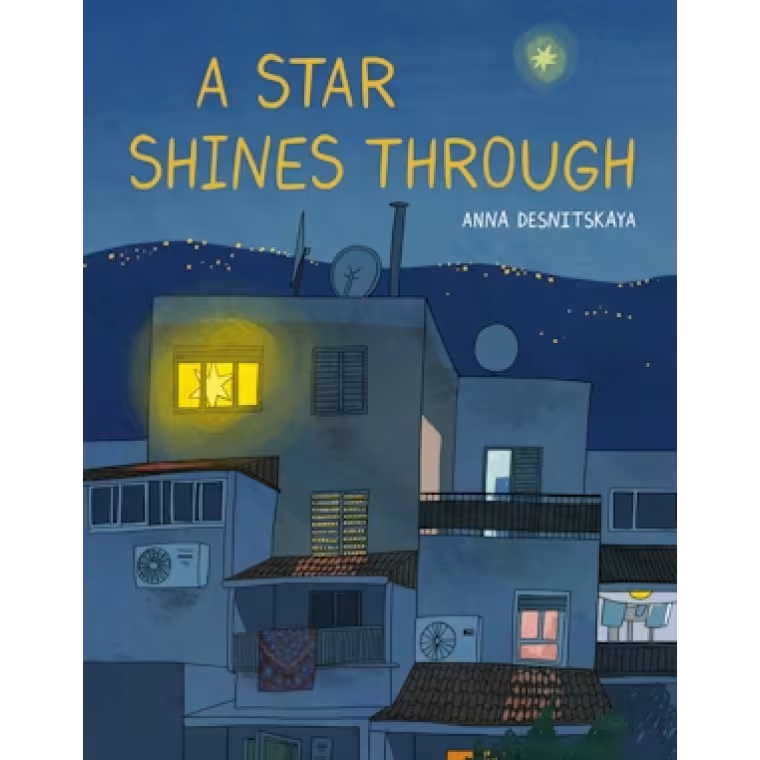
This spare story shares the journey of a girl and her mother who leave their familiar home due to war. | Image
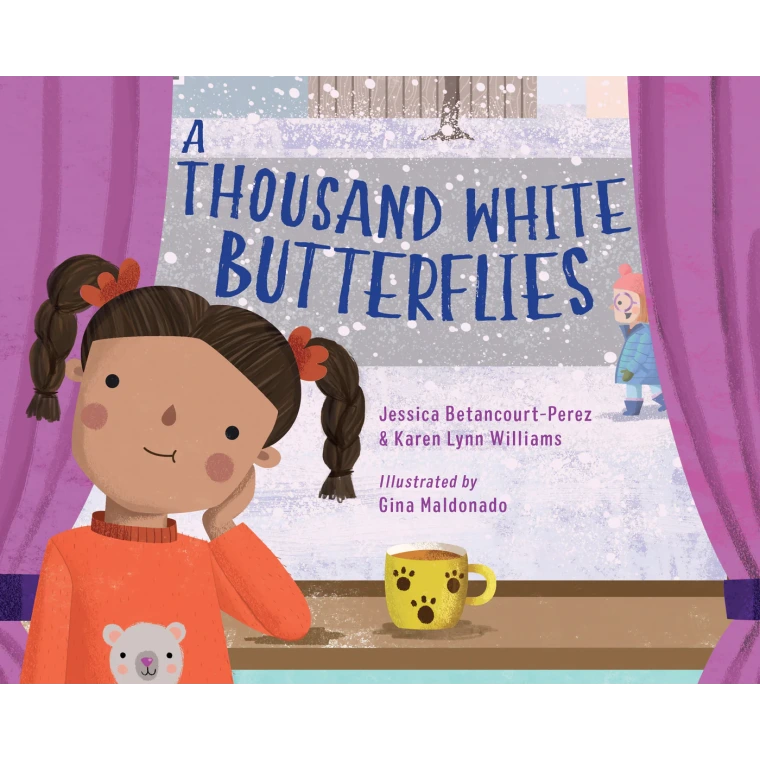
Isabella, newly arrived in the U.S. with her Mama and Abuela, misses her Papa and their warm green home in Columbia, South America. |
Image
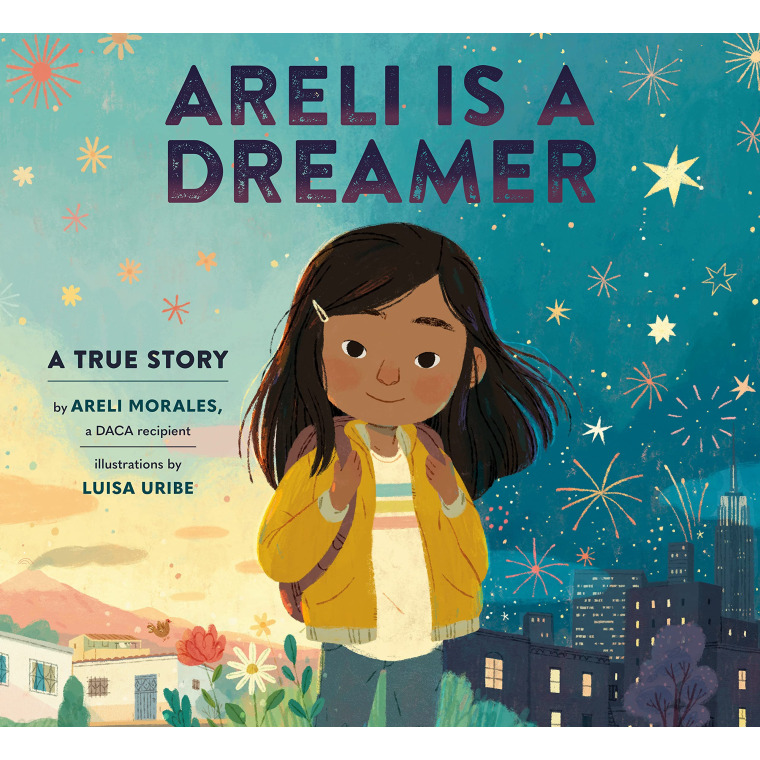
When her parents, who immigrated to the U.S., are able to bring Areli to New York, she does not want to leave her home and extended family and friends. | Image
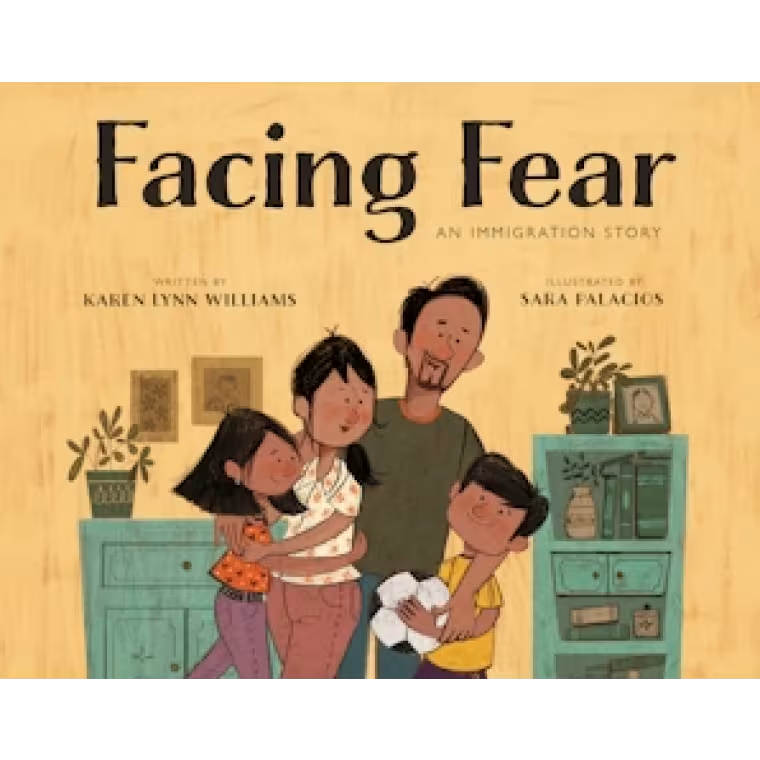
Enrique’s Papá refuses to sign a soccer tournament permission slip because it will require going through a border checkpoint, possibly endangering his family. | Image
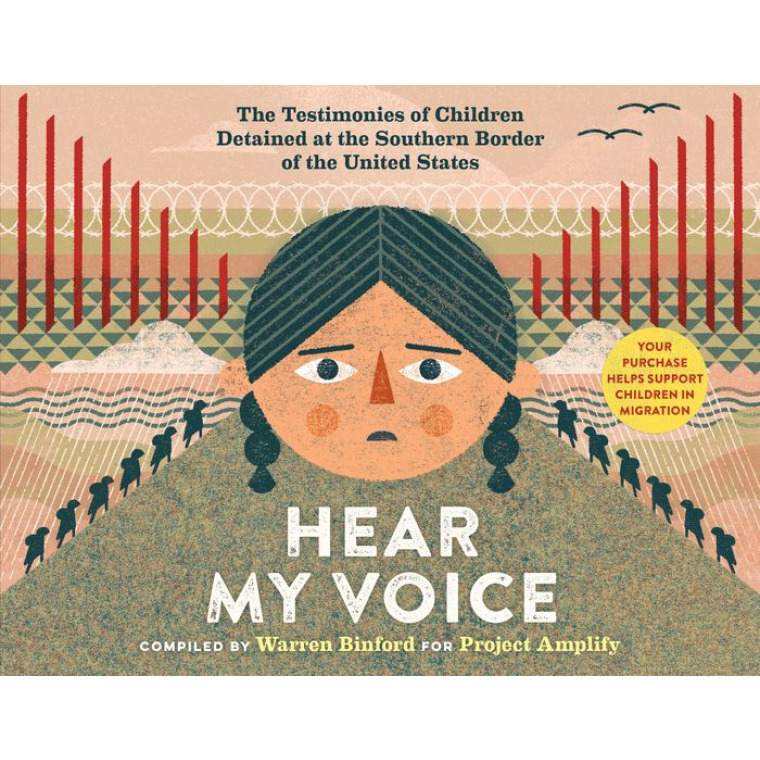
First-person children’s migration experiences tell the inhumane treatment of youth at the southern border of the U.S. |
Image
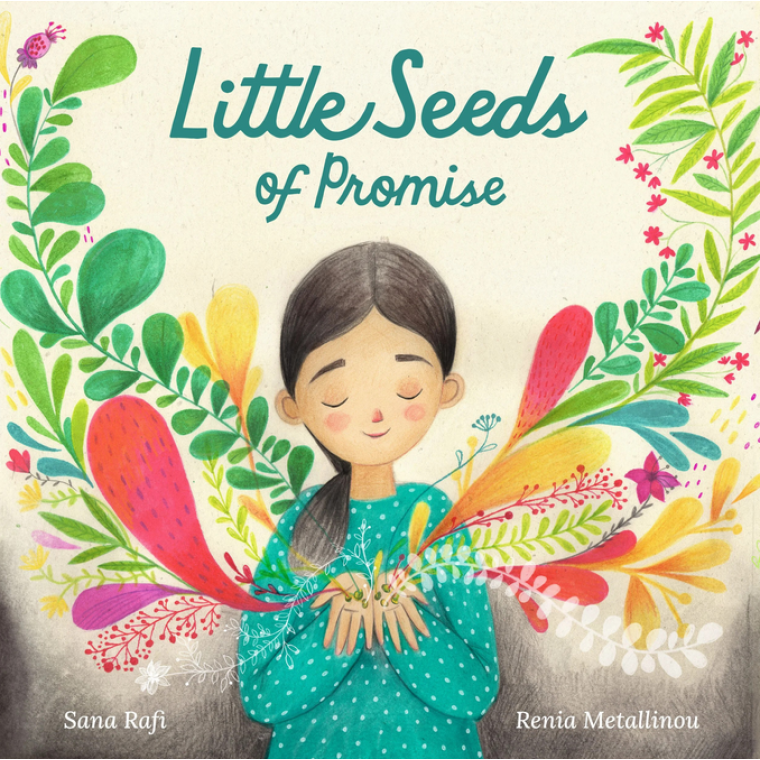
Maya, a young Muslim girl, slowly learns to make friends and find hope and beauty in her new country. | Image
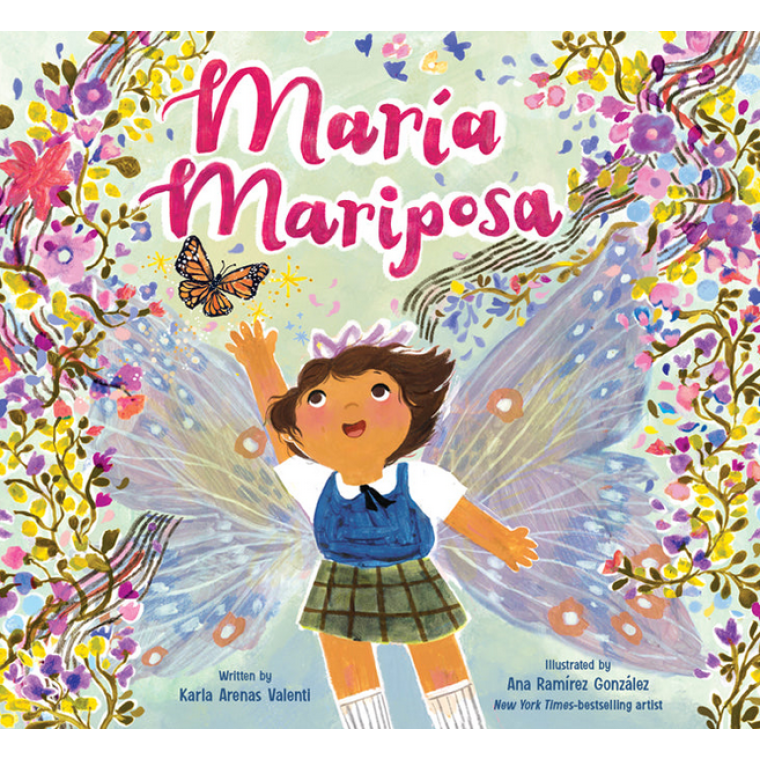
On her first day of school, María, a Spanish-speaking immigrant, carries the magic of a butterfly with her throughout a difficult day. | Image
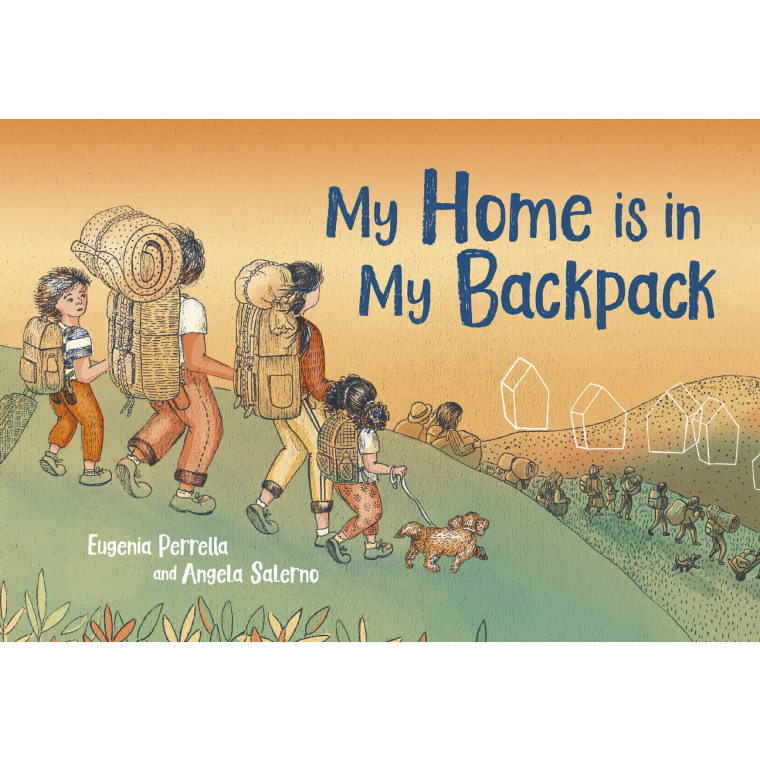
Forced to flee their home, a family makes a dangerous journey while clinging to the people and things they love. |
Image
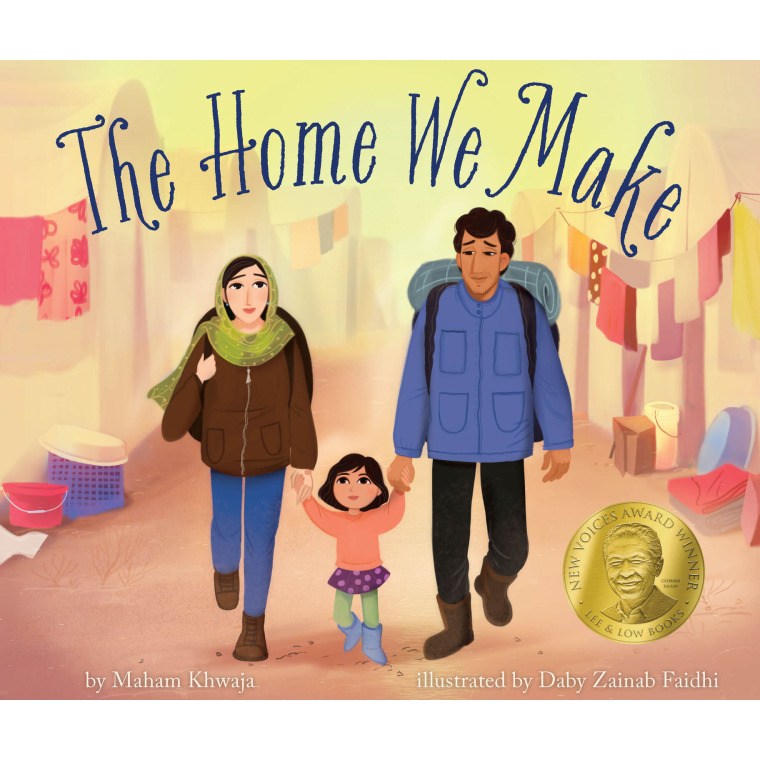
A Muslim refugee girl tells the story of her family fleeing war and leaving everything behind. | Image
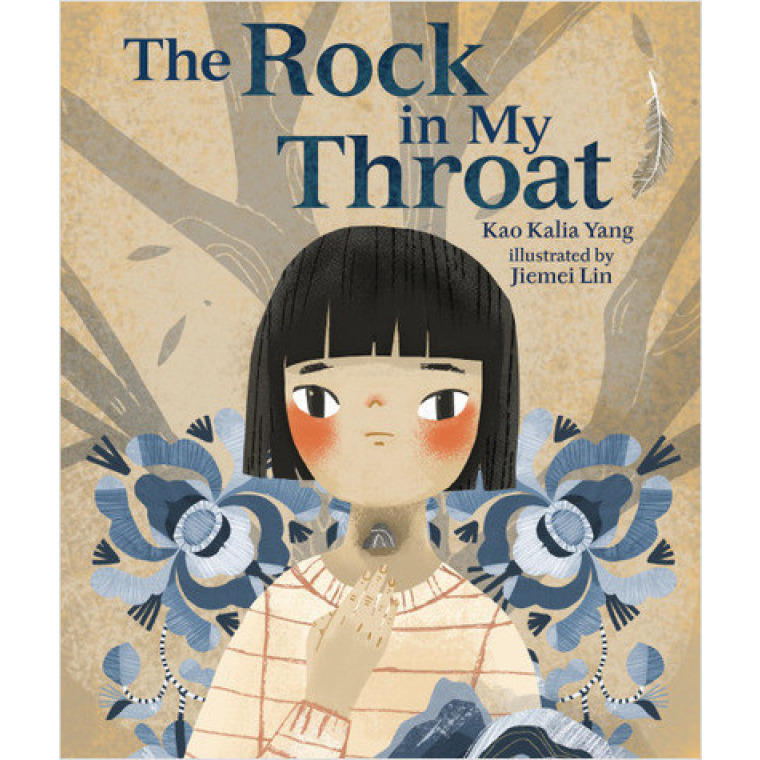
Kalia, a young Hmong girl, refuses to speak in English because English speakers in her community are rude to her immigrant parents. | Image
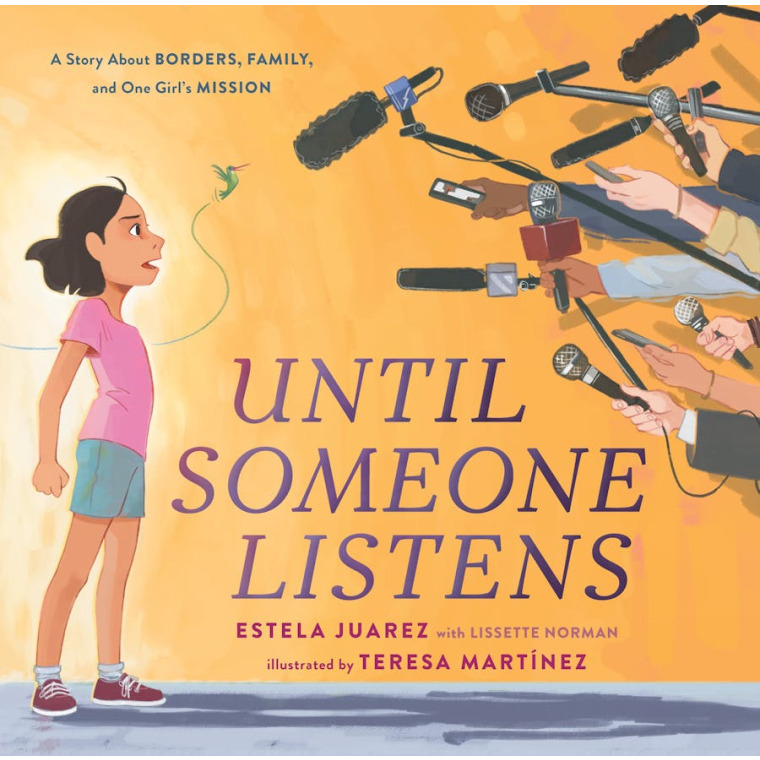
A U.S. born girl tells the story of her mother’s deportation to Mexico and how it affects her family. |
Reference
Baldwin, James. 1980 (1 November). “Notes on the House of Bondage.” The Nation.
WOW Dozen features a list of 12 global books for children and adolescents around a theme, topic, issue or personal favorites. Each Dozen consists of ten newly-published titles with two older “must have” books. Please share or recommend additional books that fit the theme in the comments section or on social media using #WOWDozen.
Love these books.