Skip to search and filter Image WOW Dozen: Global Picturebooks for the Secondary Classroom Nov. 1, 2022 Read more Image Rompiendo nuestra burbuja: An International Perspective on Culturally Specific Literature from the United States Nov. 1, 2022 Read more Image Authors' Corner: Traci Sorell Nov. 1, 2022 Read more Image Korean Picturebook Authors and New Trends in Japan Oct. 17, 2022 Read more Image Exploring Korea's Post-Coloniality through Korean Picturebooks Translated into Japanese Oct. 10, 2022 Read more Image Our Time Press: Discovering the Myth and Folklore of Black Mermaids Oct. 5, 2022 Mythological and folklore tales of Black mermaids date back hundreds of years in Africa, the Caribbean, and some gulf communities in the US. Literary education and sociocultural scholars Dr. Desiree Cueto and Dr. Dorea Kleker at the University of Arizona recently wrote a historical overview of Black mermaids for the web literary journal Worlds of Words. On the site, the educators recommend 12 fiction young adult and children’s books about Black mermaids. According to their feature in World of Words, the mermaid is a prominent figure in stories told across different African nations. The half human/half fish water spirit is referred to by other names depending on the specific African nation and unique cultures. Read more Image WOW Dozen: Books Featuring Trans* and Trans*-accepting Characters Oct. 1, 2022 Read more Image WOW Recommends: When I Grow Up: The Lost Autobiographies of Six Yiddish Teenagers Oct. 1, 2022 Read more Image Searching WOW Center Holdings In the UArizona Library Catalog Sept. 14, 2022 Read more Image Arizona Daily Star: Research library brings a world of knowledge to the Tucson children Sept. 9, 2022 “There are good reasons the Worlds of Words Center at the University of Arizona is popularly known as “WOW,” and the acronym is only one of them. Last week, students from Paulo Freire Freedom School visited the center as part of an eighth-grade field trip. While there, they explored an exhibit featuring “paper sons” — a generation of Chinese immigrants who came to the U.S. with false identifies. Many of those young men were of middle-school age, themselves, and upon hearing of their harrowing experience one young Tucsonan could think of only one thing to say: “Wow!”” Read more Pagination « First First page ‹ Previous Previous page … 13 14 15 16 17 18 19 20 21 … Next › Next page Last » Last page
Image Rompiendo nuestra burbuja: An International Perspective on Culturally Specific Literature from the United States Nov. 1, 2022 Read more
Image Exploring Korea's Post-Coloniality through Korean Picturebooks Translated into Japanese Oct. 10, 2022 Read more
Image Our Time Press: Discovering the Myth and Folklore of Black Mermaids Oct. 5, 2022 Mythological and folklore tales of Black mermaids date back hundreds of years in Africa, the Caribbean, and some gulf communities in the US. Literary education and sociocultural scholars Dr. Desiree Cueto and Dr. Dorea Kleker at the University of Arizona recently wrote a historical overview of Black mermaids for the web literary journal Worlds of Words. On the site, the educators recommend 12 fiction young adult and children’s books about Black mermaids. According to their feature in World of Words, the mermaid is a prominent figure in stories told across different African nations. The half human/half fish water spirit is referred to by other names depending on the specific African nation and unique cultures. Read more
Image WOW Recommends: When I Grow Up: The Lost Autobiographies of Six Yiddish Teenagers Oct. 1, 2022 Read more
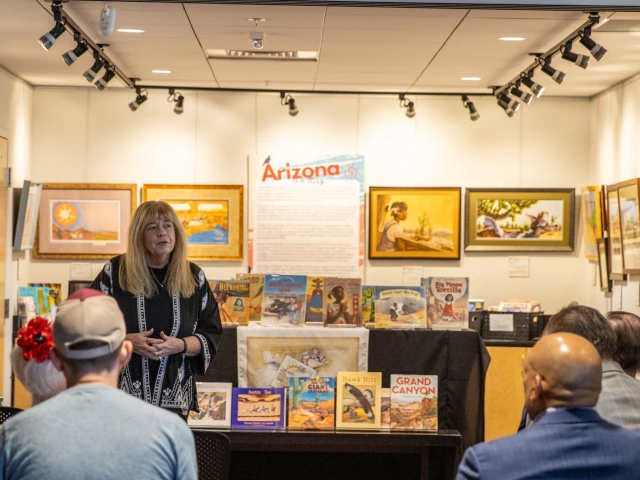
Image Arizona Daily Star: Research library brings a world of knowledge to the Tucson children Sept. 9, 2022 “There are good reasons the Worlds of Words Center at the University of Arizona is popularly known as “WOW,” and the acronym is only one of them. Last week, students from Paulo Freire Freedom School visited the center as part of an eighth-grade field trip. While there, they explored an exhibit featuring “paper sons” — a generation of Chinese immigrants who came to the U.S. with false identifies. Many of those young men were of middle-school age, themselves, and upon hearing of their harrowing experience one young Tucsonan could think of only one thing to say: “Wow!”” Read more