

Books for Read Alouds
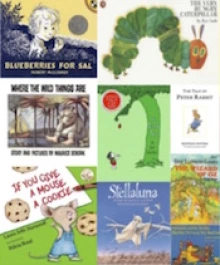
I do believe something very magical can happen when you read a good book. -J.K. Rowling
While it is important to know how to read aloud, it is also important to know what to read aloud. There is a vast number of books for children. Ipso facto it may prove daunting and even difficult to make selections for a read aloud. Books for read alouds need to have certain features in order for it to be successful and enjoyable. The reader needs to select books that are interesting and engaging. The book should encourage responses from children. The content should also expose children to different cultures and perspectives, as well as allow children to make connections to their own lives (Barton & Booth, 1990; Gold & Gibson, n.d.). Read aloud books should also be developmentally appropriate and match the level of the listener. Additional characteristics of good read aloud books include the flow of the text, captivating plots, and appealing illustrations. Explanations and examples for each of these features are provided.
Level: Books for read alouds should be at or above a child's independent reading level and at their listening level. According to Burns and Roe (2002), the independent reading level is the level at which the student reads fluently with 90% (or higher) comprehension and 95% word recognition. The listening level is the level at which students adequately comprehend material that is read by the teacher.
Content: Books should have content that is culturally appropriate and developmentally appropriate. Children should be able to relate it to their lives or other concepts, as well as make connections with the characters and plot. For example, children may be able to connect to the character's challenges or feelings in a particular situation or gain a deeper understanding of an issue.
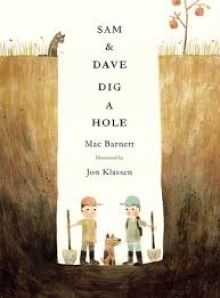
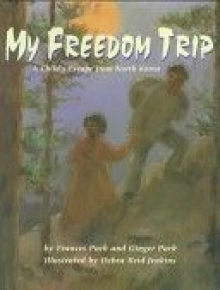
Plot: Books that are engaging and interesting to listen to have a strong plot and compelling characters. There needs to be tension to move the story along. Books with meaningful plots are more likely to hold the children's attention.
Illustrations: Books do not have to win awards to have great illustrations. When reading aloud, the illustrations do have to connect and add to the story, thus increasing the children's comprehension. It is also important to have illustrations that are aesthetically appealing.
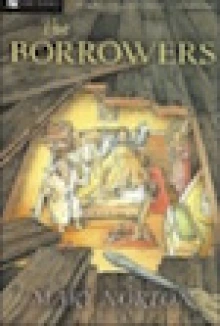
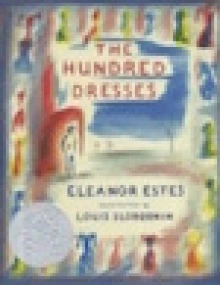
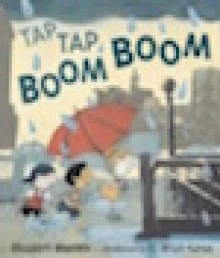
Text: There are several facets of text that you must take into account when choosing a book to read aloud. First, the book cannot be text-heavy. Too much text on a page or too much text in the book does not make for a good read aloud. If it is too long, then you will lose the children's attention. There should be a mellifluous tone to the book; it should flow smoothly. The language should also include rich vocabulary, sounds, and/or word play.
Gold and Gibson (n.d.) share questions that you can ask yourself when selecting a book for a read-aloud. Some of these are:
- Is it a good story?
- Is it worth sharing with my student?
- Is the book worthy of a reader's and listener's time?
- Will it appeal to your audience?
- Will children find the book relevant to their lives and culture?
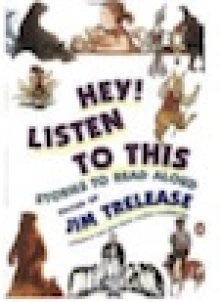
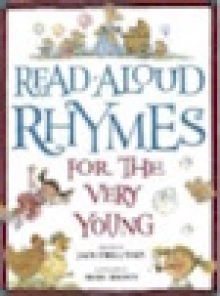
Read aloud collections:
Next week we will look at planning and instruction with read alouds.
References
Allyn, P. (2009). What to read when: The books and stories to read with your child--and all the best times to read them. New York, NY: Penguin Group.
Barton, B., & Booth, D. (1990). Stories in the classroom: Storytelling, reading aloud, and roleplaying with children. Portsmouth, NH: Heinemann.
Burns. P., & Roe. B. (2002). Informal reading inventory. Boston: Houghton Mifflin.
Fox, M. (2008). Reading magic: Why reading aloud to our children will change their lives forever. New York, NY: Harcourt, Inc.
Gold, J. & Gibson, A. (n.d.). Reading aloud to build comprehension. Reading Rockets. Retrieved from https://www.readingrockets.org/article/reading-aloud-build-comprehension
Hearne, B. (with Stevenson, D.). (1999). Choosing books for children: A commonsense guide (3rd ed.). Chicago, IL: University of Illinois Press.
Trelease, J. (2013). The read-aloud handbook. New York, NY: Penguin Group.
Journey through Worlds of Words during our open reading hours: Monday-Friday, 9 a.m. to 5 p.m. and Saturday, 9 a.m. to 1 p.m. To view our complete offerings of WOW Currents, please visit archival stream.
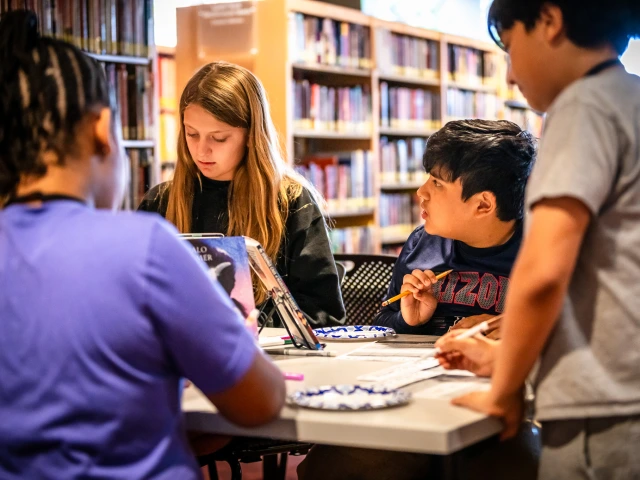
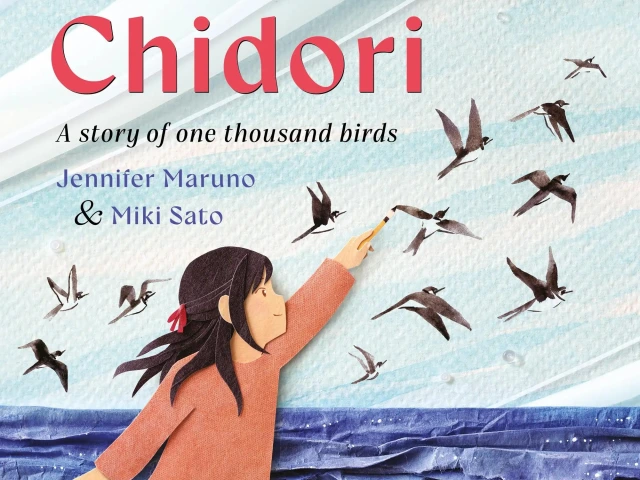
Books that flow are always my go to. I like when they have a rhyming scheme and also have interesting aspects to make the children anxious to know what the next page holds. Whether a page contains too many words, or words that are too advanced for the listeners that can be a turn off to students. Once they stop paying attention, getting it back will be very difficult. The library is filled with great books as long as we know how to distinguish the good from the bad by using these tips.