WOW Dozen: The Dance of Languages in Translingual Picturebooks
Translingual picturebooks dance between languages, reflecting the multilingualism of communities and resisting the message of English as norm. Written in English, these picturebooks weave another language into conversations between bilingual characters. Recent translingual picturebooks use innovative strategies to integrate words from another language naturally into the flow of the text. These recent books integrate a wide range of global languages, not just Spanish. Translingual picturebooks are based in translanguaging practices that recognize speakers use a range of linguistic resources to make meaning, beyond traditional boundaries between languages.
In the past, translingual picturebooks integrated Spanish words and phrases into English text, but marked those words in a large font, a different color, or italics, and included a glossary. Recent picturebook authors take a stance of resistance to this "othering," refusing to highlight non-English words as "different." Multiple languages are integrated into the flow of the text without special markings to reflect the translanguaging that naturally occurs within multilingual families and communities. These books send a strong message that multilingualism is the norm in communities and multiple languages are valuable resources, not a problem. Translingual picturebooks also reflect the respect of authors who view children as capable readers who create meaning across languages through using visual and verbal context, instead of believing that young children will be confused by the integration of multiple languages.
The picturebooks in this WOW Dozen include books that focus on language learning, books that highlight untranslatable words, books that are multilingual across many languages, books that integrate multilingual connections within families and communities and books that include the original orthography, not just the romanized spelling of words into the Latin alphabet.
Image

Sissy yells at her little brother, Chooch, when his "help" constantly leads to chaos. Pronunciations of Cherokee words are included on each page to facilitate read-alouds with a glossary on the syllabic nature of Cherokee language. | Image
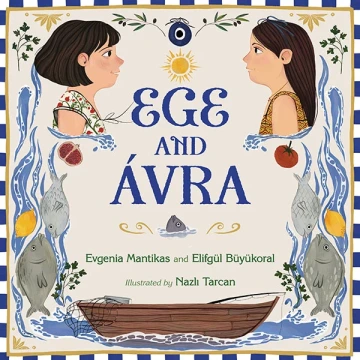
A tangled fishing line in the Aegean Sea leads to an unexpected cross-cultural friendship between a girl from Türkiye and a girl from Greece and their grandfathers. Integrates Turkish and Greek words and explains the dark history of the two countries. | Image
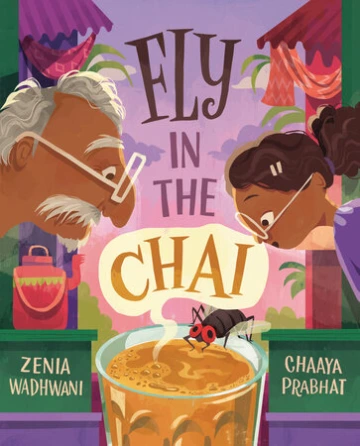
When a young girl spots a fly in her grandfather's chai at a bustling market, everyone offers advice. Their greetings reflect the linguistic diversity of a community in India. |
Image
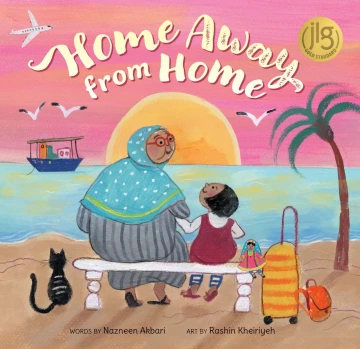
A girl's hesitation about visiting her grandmother in Oman changes as they explore the everyday joy of Arab culture and family in the local souk. Integrates Arabic words and includes a glossary with Arabic characters and romanized spellings. | Image
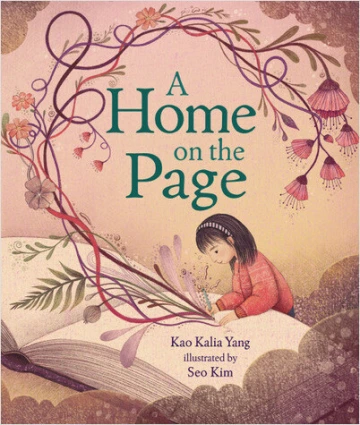
A Hmong girl struggles to determine what home means to her after a racist incident, realizing that each family member has a different sense of home. Integrates Hmong words and includes a glossary. | Image
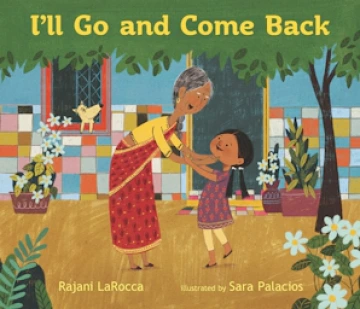
Jvoti and her grandmother learn to speak each other's language as they visit each other in the U.S. and India. LaRocca did not include a glossary, arguing the Tamil words can be understood in context, as occurs in real life. |
Image
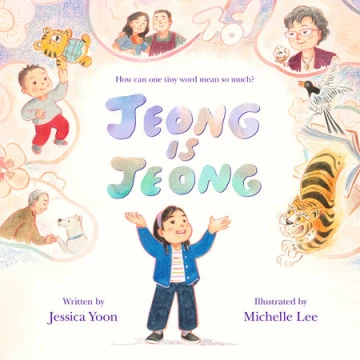
After hearing a Korean word that doesn't easily translate into English, Luna explores its meaning with her Halmeoni through small acts of kindness. Includes an author’s note providing context on jeong within Korean culture and integrates words written in Hangeul and in romanized spellings. | Image
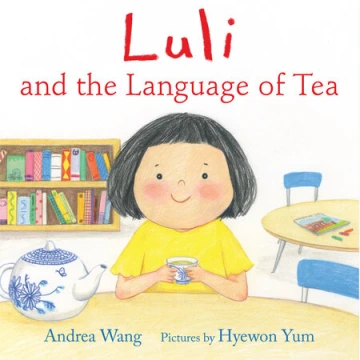
Children in an early childhood ESL classroom play alone until Luli calls out tea in Chinese as children chime back in their own languages. The words for tea are presented in their orthography and in romanized spellings with the color of each word for tea connecting to a global map location at the end of the book. | Image
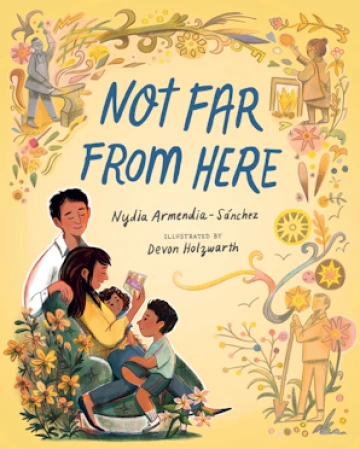
When two Latinx children discover a suitcase of letters and photos, their mother tells them stories of their father and his perseverance in immigrating and building a new life. Integrates Spanish phrases, not just individual words, and includes a glossary. |
Image
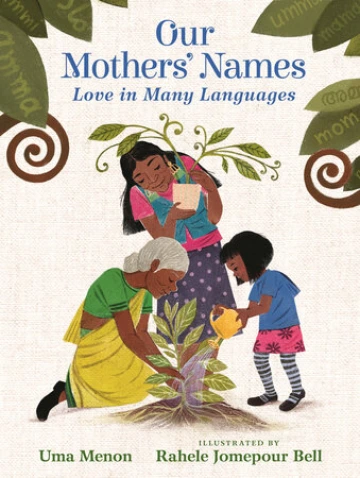
A Malayalam child investigates the different words for mother used by her classmates to address their mothers in multiple languages. Endpapers include those names in the original orthography. | Image
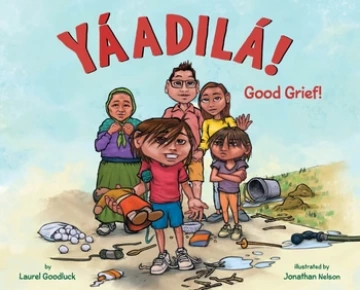
A Navajo expression of frustration and love is the playful center of a story about a Diné family who move their grandmother out of her beloved sheep camp into their home. Diné words are integrated across the text and defined in a glossary. | Image
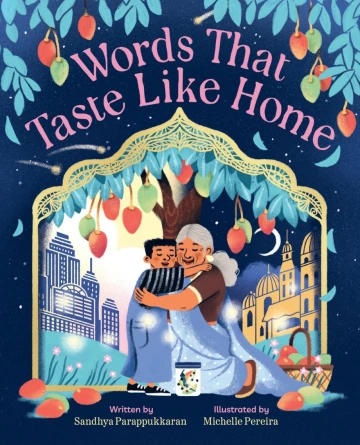
Roham loves to speak Malayalam with his grandmother, but when his family moves from India to the U.S., he loses his proficiency and worries that he has lost his connection with his grandmother. |
WOW Dozen features a list of 12 global books for children and adolescents around a theme, topic, issue or personal favorites. Each Dozen consists of ten newly-published titles with two older "must have" books. Please share or recommend additional books that fit the theme in the comments section or on social media using #WOWDozen.