WOW Dozen: Preparing, Sharing, and Eating Food
One of my most prized possessions is a brownie recipe written on a stained 3x5 index card. Because I was very young when my mother wrote out this recipe for me, the ingredients are depicted in little pictures rather than words. As a kindergartner, I was able to do every part of the recipe—carefully supervised by my mother—except put the pan of brownies in the oven.
Many of us have fond memories around preparing and eating food. This may be learning to cook from a parent, like my experience with brownies, favorite traditional foods served at holidays or just sharing meals with loved ones. Of course, sometimes preparing, sharing and eating food can be a source of anxiety. What if there’s not enough for everyone? What if my friends don't like the foods I love? Am I willing to try unfamiliar foods?
The food we eat not only sustains our bodies but is deeply connected to our culture and heritage. A lot of traditional holidays and festivals center around food and many groups view sharing food with guests as a cultural imperative. Children learn to cook from older family members not only as practical preparation for adulthood, but as a bonding activity and a way to learn about their culture, history and family. And, of course, making and sharing food can be an expression of love. At the same time, many of us are lucky enough to live in places where we have access to foods from different cultures. Learning to appreciate a wide variety of foods helps us expand our understandings of the world and other peoples.
In this set of twelve books, we see a variety of ways children and families prepare, share and eat food. Add your suggestions in the comments!
Image
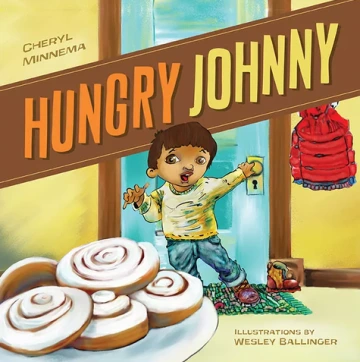
Young Johnny waits impatiently for a turn to fill his plate as his Ojibwe community gathers for a feast and elders are served first. | Image
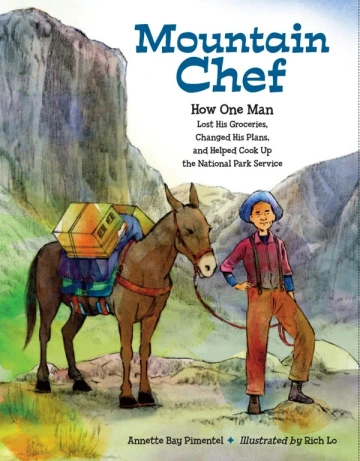
The best trail cook in California, Tie Sing, provides magnificent meals in difficult circumstances on a trip designed to convince people to protect the country’s natural wonders. | Image
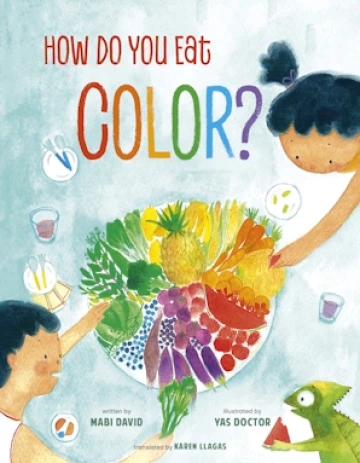
Tasty Filipino fruits and vegetables of all colors are described with vivid imagery. |
Image
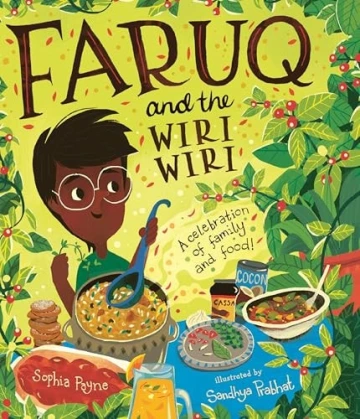
When Ajee won't teach Faruq to cook her delicious Indo-Guyanese food, a neighbor gives him lessons. | Image
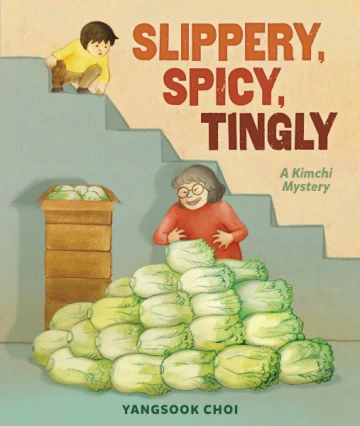
Halmoni teaches her wary grandson how to make kimchi the traditional way in a large clay pot buried in the back yard. | Image
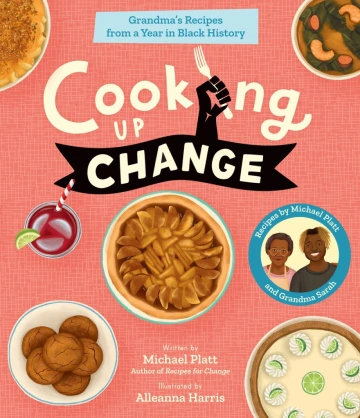
History is presented through the lens of food as an important event in each month, paired with a recipe for traditional African American foods. |
Image
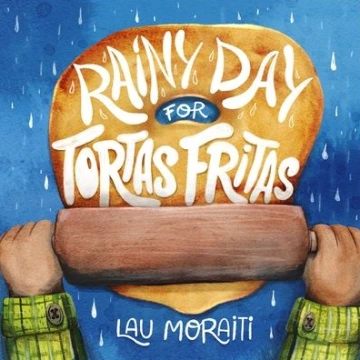
Rainy days in Uruguay mean Papá is making tortas fritas, but this time he needs his daughters' help to finish the delicious treats. | Image
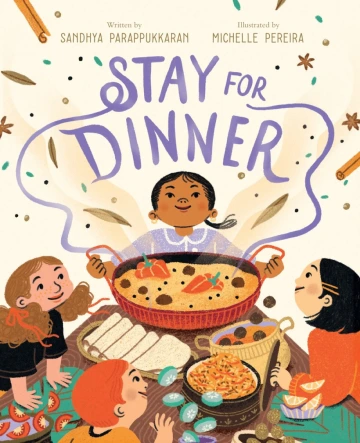
When Reshma notices that her friends eat differently than she does, she worries that they will laugh at her family if they come for dinner. | Image
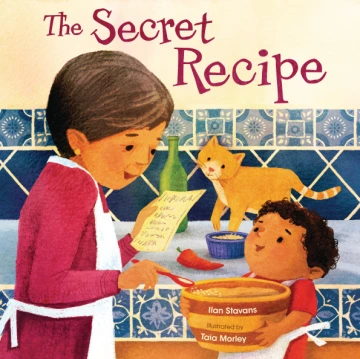
A Mexican Jewish boy learns about Ladino from his abuela and how a recipe in this language was passed down generations. |
Image
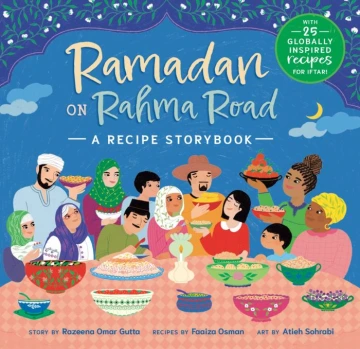
The people on Rahma Road, who come from Muslim communities all over the world, prepare delicious dishes for a shared iftar. | Image
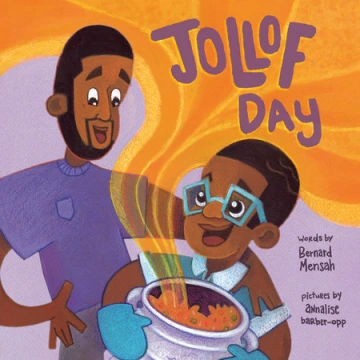
A Ghanian boy and his father spend a joyful morning making the traditional West African dish jollof. | Image
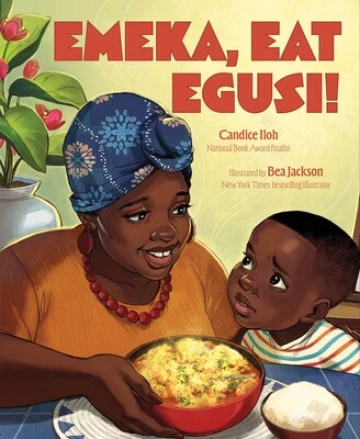
An autistic Nigerian American boy adds another dish to his limited list of safe foods after cooking with his mom. |
WOW Dozen features a list of 12 global books for children and adolescents around a theme, topic, issue or personal favorites. Each Dozen consists of ten newly-published titles with two older "must have" books. Please share or recommend additional books that fit the theme in the comments section or on social media using #WOWDozen.