

Why Read-Alouds?
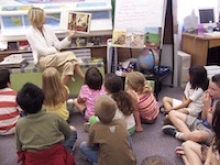
For the previous five months, we gathered data from Early Childhood and Elementary Teachers regarding characteristics and practices of read-alouds in their classrooms. Using the data from our survey and other research, we will focus on a key aspect of read-alouds in each weekly blog, sharing guidelines for best practices and providing applications through examples, as well as offering a variety of resources. This month we will cover:
Week 1: Benefits and Importance of Read-Alouds
Week 2: Characteristics of Read-Alouds
Week 3: Books for Read-Alouds
Week 4: Planning & Instruction for Read-Alouds
Week 5: Extending Read-Alouds
Benefits & Importance of Read Alouds
In 1986, Becoming a Nation of Readers: The Report of the Commission on Reading declared that "the single most important activity for building the knowledge required for eventual success in reading is reading aloud to children." Backed by research, this statement highlights the importance read alouds play in the development of reading. The list of benefits while not exhaustive is extensive.
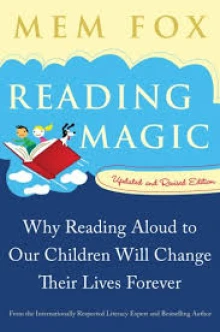
Reading Magic: Why Reading Aloud to Our Children Will Change Their Lives Forever by Mem Fox
The most obvious benefit of a read aloud is that it brings enjoyment to those being read to. Everybody loves a good story. Almost from the beginning of time stories have been one of our most fundamental methods for communicating with one another. Whenever a person hears a story, they naturally try to relate it to one of their existing experiences. Listeners make connections with stories and in a reciprocal relationship stories validate our experiences and our experiences provide for new stories to share. While listening to stories, many areas of our brain are activated by the stimulus of living through a vicarious experience. Stories innately develop a listener's interest in books (stories) and the desire to be a reader.
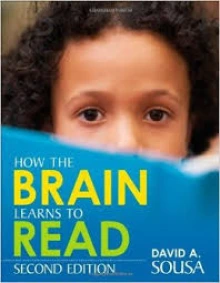
How the Brain Learns to Read by David A. (Anthony) Sousa
Read alouds provide opportunities to build community within the classroom while also learning about other places and cultures. Stories help to build a sense of community when they are shared by a group. Stories help explain how things work, people make decisions, justify decisions, persuade, understand our planet and others, create identities, and define social values among many others explanations for the way our world works.
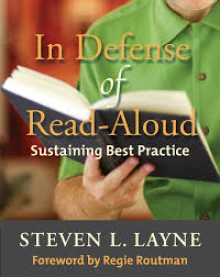
In Defense of Read-Aloud: Sustaining Best Practice by Steven L. Layne
Reading aloud has many instructional and literacy benefits in addition to the social benefits mentioned. For teachers, read alouds offer an engaging platform to model literacy strategies and fluency for students. Repeated readings provide opportunities for scaffolding so that instruction can be of a developmentally appropriate nature and amount. Direct literacy benefits to children include: developed understanding of how a story works, familiarity with book conventions, vocabulary development, and an increase in comprehension.
References
Beck, I. L., & McKeown, M. G. (2001). Text talk: Capturing the benefits of read-aloud experiences for young children. Reading Teacher, 55, 1, 10-20.
Dickinson, D. K., & Smith, M. W. (1994). Long-term effects of preschool teachers' book readings on low-income children's vocabulary and story comprehension. Reading Research Quarterly, 29, 2, 104-22.
Neuman, S., Copple, C., & Bredekamp, S. (2000). Learning to read and write: Developmentally appropriate practices for young children. Washington, DC: National Association for the Education of Young Children.
Journey through Worlds of Words during our open reading hours: Monday through Friday 9 a.m. to 5 p.m., Saturday 9 a.m. to 1 p.m. Check out our two online journals, WOW Review and WOW Stories, and keep up with WOW’s news and events.
I myself entered preschool not knowing any English. I remember my teachers reading all kinds of books to me throughout the years. I now realize that it was to help me learn new things about a community that was all new to me since I was coming from a Mexican culture. As stated in the blog read aloud are done to “build community within the classroom while also learning about other places and cultures.” Although for other students it may have been to learn about new places other than the United States, for me it was to learn about to understand my new surroundings.
Claudia, what a wonderful connection you made! This is a great example of how books are used to teach about cultures and communities.
I personally love Read Alouds. I think they are very beneficial to students especially at the elementary level. When I was a classroom teacher I read aloud to my students everyday at the end of the day. My students really looked forward to it. I read chapter books, stories, informational text, magazine articles, our classroom newsletter, etc. There was not another time during the school day that the kids would sit so quiet, still and attentive. I felt as though I have their undivided attention. I think Read Alouds are important because students don’t have to work so hard to read words themselves and also comprehend at the same time. This can often be a struggle for some and also a discourager. Read Alouds take that element away and students only need to listen. Read Alouds are also important because they spark an interest in reading and also provide stimulation that is not achieved when reading silently. An animated reader with varying tones and enthusiasm can capture an audience and wow them at the same time, making students want to reread the book again or pick up a different book. Finally Read Alouds are important because they provide a model to students of how books should be read and also all types of reading strategies can be emphasized during this time.
Love your website! As a previous educator, with a focus on early literacy, the importance of reading to children from birth through elementary school is beyond measure as it relates to success in school and life. The focus of our Blog is to help parents, grandparents and caregivers select great books, as well as tips for reading that supports literacy. We also add fun recipes that go along with the theme of the book. Please continue your efforts on this very important topic.