
By Angelica Serrano, Tucson Unified School District, Tucson, AZ
 The start of a new school year is a time of excitement, anticipation and a whirlwind of emotions—for both students and teachers. The classroom is organized, stocked with brand-new school supplies and decorated with care. A clean slate if you will.
But beyond the bulletin boards and labeled bins is the heart of it all: a brand-new community of learners. Each student walks through the door carrying their own story—shaped by culture, family, experiences, dreams and so much more.
As educators, one of the most important things we can do in these early days is to begin building authentic, meaningful relationships with all students. We know that before diving into routines, or curriculum, we must first create a space for connection. After all, we are first and foremost engaging with human beings. It’s in these early interactions—learning how to pronounce each name correctly, noticing who hangs back, who’s eager, who’s unsure—that we begin laying the groundwork for a year of learning, growing and connecting with each other.
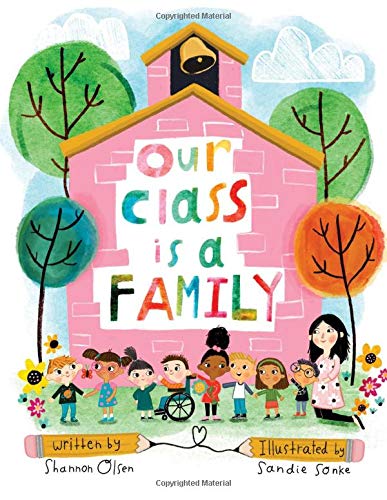
Read alouds are a powerful tool to help open those doors. But before you dive for the great classic read alouds, such as Our Class is a Family (2016) or A Letter From Your Teacher: On the First Day of School (2020), both by Shannon Olsen and illustrated by Sandie Sonke or our other personal favorites, we must aim to read stories that speak to deeper experiences, portray vulnerability, highlight differences and celebrate empathy in action.
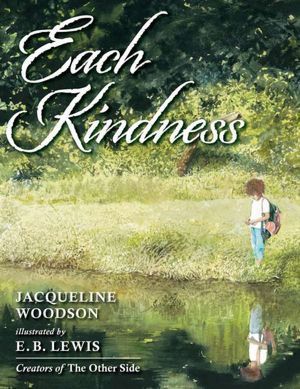 One such book I like to read aloud on the first day of school is Each Kindness (2012) by Jacqueline Woodson. The book follows a girl named Chloe, who along with her friends consistently ignores a new student named Maya who wears hand-me-down clothes, plays alone and tries to connect with Chloe only to be refused by her. When their teacher gives a lesson around kindness, depicting kindness as a stone dropped in water sending out ripples, Chloe is regretful knowing she never showed Maya kindness before Maya suddenly moved away.
This read aloud never fails to leave students asking: “What would have happened if Chloe had taken the time to get to know Maya?” or “Would the ending be different for both girls?” Each Kindness is a reminder that every child enters the classroom with a story and that getting to know someone for who they are is far more important than making assumptions about someone.
As educators, we are aware that some students carry excitement and stability, while others bring with them quiet fears, recent losses, language barriers, or the weight of instability, trauma or change. So, why is it easy to assume a shared experience of joy or safety, wanting to start the year on a positive note—while not every student arrives feeling ready, secure, or included? It’s not to say that starting on a positive note is wrong, but that true positivity comes from authenticity—not from glossing over the real and diverse experiences our students already bring into the room. We can paint a one-size-fits-all picture of belonging or comfort, but how much more powerful would starting the year be when we take the time to share diverse stories and create empathetic conversations about them?
Students who ask “Will I belong here?” should be able to see that they do. Not just with books like First Day Jitters (2000) by Julie Danneberg, illustrated by Judy Love or The Good Egg (2019) by Jory John, illustrated by Pete Oswald, but with books about characters who display real emotions, real challenges and diverse experiences. So having a series of books to read aloud and ponder on the first days of school and even throughout the year invites students to not only get a sense of themselves but their peers too and the world around them. It’s not to say those books aren’t great, but they aren’t the only ones we should read on the first days of school.
As an educator myself, I like to have a range of books to explore on the first days of school. I offer books like Saturday at the Food Pantry (2021) by Diane O’Neill and illustrated by Brizida Magro and Those Shoes (2007) by Maribeth Boelts and illustrated by Noah Z. Jones, which give perspective on the idea that some students come to school carrying invisible challenges—like financial hardship or food insecurity, which may go unseen by teachers and peers. Stories like The Name Jar (2001) by Yangsook Choi and The Rock in My Throat (2024) by Kao Kalia Yang and illustrated by Jiemei Lin highlight the importance of identity, self acceptance and self expression when engaging with others who may be different from you.
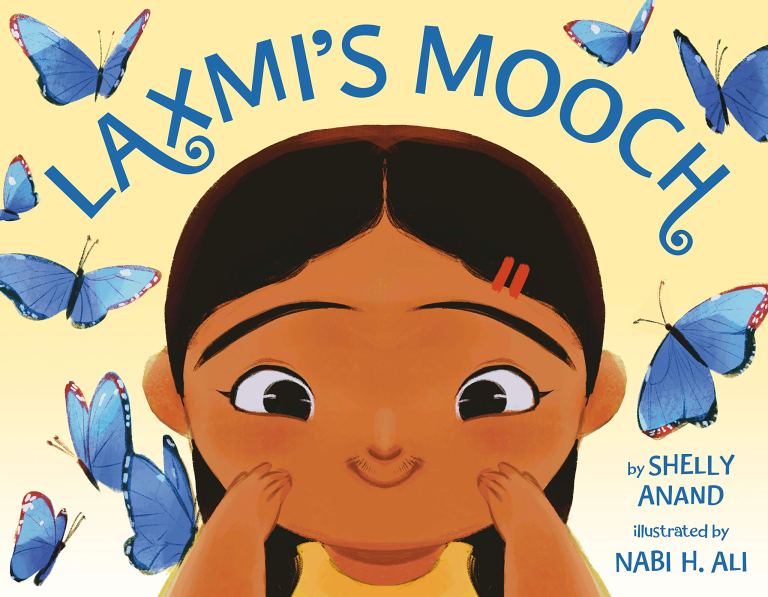 A few other powerful read alouds I love to share with students include Laxmi’s Mooch (2021) by Shelly Anand, illustrated by Nabi H. Ali, a joyful and affirming story about embracing physical features that may not always fit the the norm, or Finding My Dance ( 2019) by Ria Thundercloud, illustrated by Kalila J. Fuller, that invite readers into the real-life journey of a Native American dancer Ria Thundercloud, who embraces both tradition and self-expression, acknowledging a person can have more than one culture.
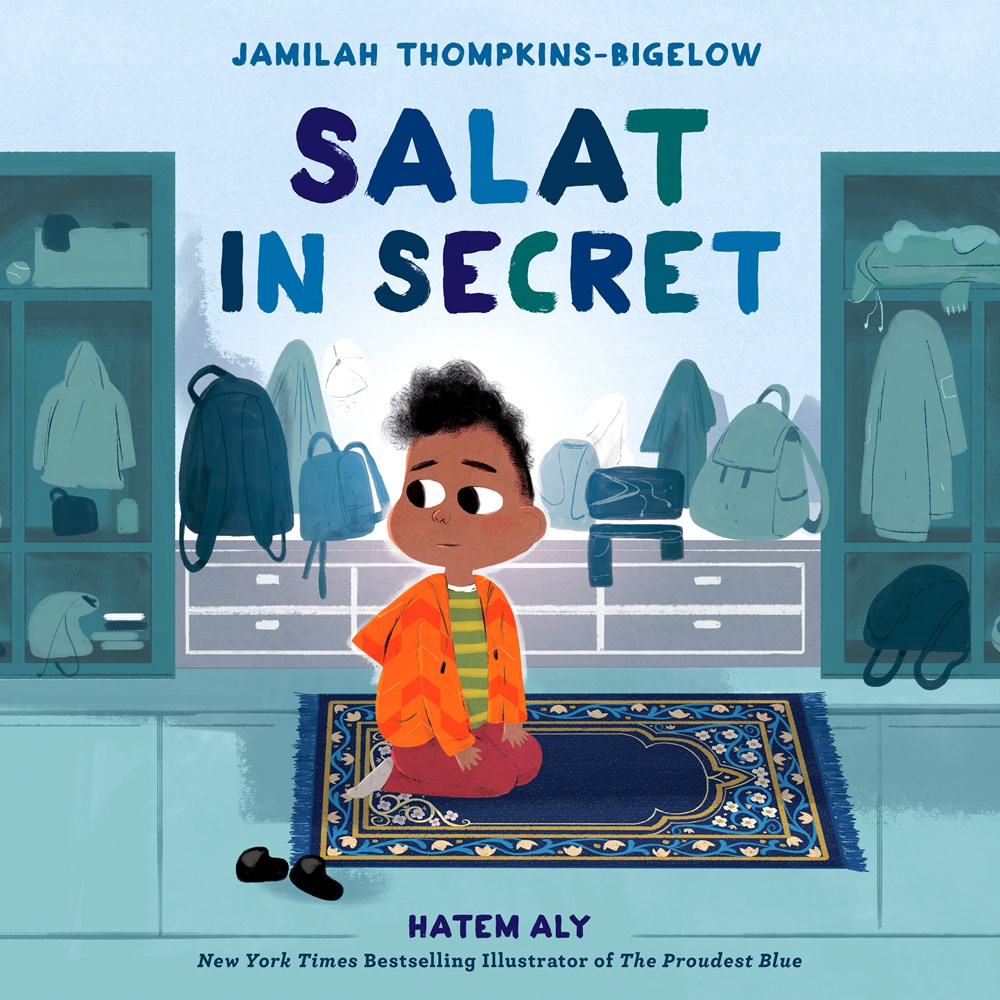
Spanish Is the Language of My Family (2023) by Michael Genhart, illustrated by John Parra, highlights the deep connections between language and heritage, where Amelia’s Road (1993) by Linda Jacobs Altman, illustrated by Enrique O. Sanchez, adds another important layer to the conversation reminding us that not every student comes to school from a place of stability. Many students may have had to consistently move schools for various reasons and so adjusting to a new school has its own challenges. Salat in Secret (2023) by Jamilah Thompkins-Bigelow, illustrated by Hatem Aly, brings awareness of spiritual identity and the courage it takes to practice your beliefs in environments that may not fully understand them.
 When books like these are read, it gives a much bigger viewpoint on the first days of school. It gives students opportunities to be seen and to see others around them. Having more than one story, not the picture perfect kind but the ones that really pull on the heart strings, sets the stage for a more empathetic learning environment, where back to school isn’t just cookie cutter, but about the whole child, embracing their whole story, building human-to-human connections and empathy.
My Back To School Read Alouds
The following is a list of the books that I like to read on the first days of school. But they are not the only books I read with students. This is only a short list of books as there are more stories we read and explore throughout the school year. However, I found this list as a great starting point.
- Amelia’s Road by Altman, Linda Jacobs, 1993
- Each Kindness by Woodson, Jacqueline, 2012
- Finding My Dance by Thundercloud, Ria, 2019
- Laxmi’s Mooch by Anand, Shelly 2021
- Saturday at the Food Pantry by O’Neill, Diane, 2021
- Salat in Secret by Thompkins-Bigelow, Jamilah, 2023
- Spanish Is the Language of My Family by Genhart, Michael, 2023
- The Name Jar by Choi, Yangsook, 2001
- The Rock in My Throat by Yang, Kao Kalia, 2024
- Those Shoes by Boelts, Maribeth, 2007
Concluding Thoughts
So as you plan out the first days of school, think about the books you will read with the students. Bring in all the classics of course! But also bring in diverse books, seek out stories that relate to the students and those that invite them to think about the world globally and invite that human-to-human connection and maybe, just maybe, the ripples will be greater than you imagined.
References
Altman, L. J., & Sanchez, E. O. (1993). Amelia’s road (E. O. Sanchez, Illus.). Lee & Low Books.
Anand, S., & Ali, N. H. (2021). Laxmi’s mooch. Sleeping Bear Press.
Anholt, L. (2016). Our class is a family. Harry N. Abrams.
Boelts, M. (2007). Those shoes (N. Z. Jones, Illus.). Nancy Paulsen Books.
Choi, Y. (2001). The name jar. Dragonfly Books.
Genhart, M., & Parra, J. (2023). Spanish is the language of my family. Charlesbridge.
Lunt, S., & Jackson, S. (2020). A letter from your teacher: On the first day of school. Createspace Independent Publishing Platform.
Miller, J. (2004). First day jitters. Scholastic.
Munson, B., & Dewar, S. (2019). The good egg. Random House Books for Young Readers.
O’Neill, D., & Magro, B. (2021). Saturday at the food pantry. Albert Whitman & Company.
ThompkinsBigelow, J., & Aly, H. (2023). Salat in secret (H. Aly, Illus.). Tilbury House Publishers.
Thundercloud, R., & Fuller, K. J. (2019). Finding my dance (K. J. Fuller, Illus.). Lee & Low Books.
Woodson, J., & Lewis, E. B. (2012). Each kindness. Nancy Paulsen Books.
Yang, K. K., & Lin, J. (2024). The rock in my throat (J. Lin, Illus.). Roaring Brook Press.
WOW Currents is a space to talk about forward-thinking trends in global children’s and adolescent literature and how we use that literature with students. “Currents” is a play on words for trends and timeliness and the way we talk about social media. We encourage you to participate by leaving comments and sharing this post with your peers. To view our complete offerings of WOW Currents, please visit its archival stream.
- Themes: Angelica Serrano, Back to School
- Descriptors: Books & Resources, WOW Currents