
By Aika Adamson, Worlds of Words, Tucson, AZ
 Manga, a popular form of graphic novels and comics from Japan, has seen a boom in popularity following the pandemic in 2020. In a time where literacy rates are falling slightly for students across the United States, as reported in the Nation’s Report Card for 2022, and fewer people in all age-ranges are reading for pleasure (Iyengar, 2024), encouraging literacy among children and teenagers is more important than ever. Recent publishing trends have shown that children of all ages are reading more comics, graphic novels and manga annually. Graphic novels have seen a 90% jump in popularity in school libraries, with manga comprising 43% of high school graphic novel purchases, according to the School Library Journal’s 2023 survey.
With such a rise in popularity for manga, more and more middle and high school-aged readers can engage in international stories that have been translated for U.S.-based audiences. Manga tend to be published in long series, with chapters coming out weekly or monthly in Japanese magazines such as Weekly Shounen Jump, Ultra Jump, Hana to Yume or Be Love. Once a series reaches a certain number of chapters, provided the manga is popular enough, those chapters can be collected into volumes that are translated and distributed overseas.
In this WOW Currents, I explore ways manga can be used to encourage global literacy with high school students specifically, both inside and outside the classroom. Manga can provide teenagers with new ways to explore Japanese culture and develop a love of reading that they can carry with them beyond their K-12 years.
Using Manga Inside the Classroom
 As a visual storytelling format, manga can be used to explore new ways of telling stories or conveying information. In art classes, high school students can analyze manga pages to see the various ways panels are used in a constrained space, with emphasis on line, shading and what is being focused on within each panel. Text placement, such as dialogue and sound effects, also affect the layout of a page. These aspects can also be used to compare manga and graphic novels to picturebooks aimed at younger audiences to study the strengths and weaknesses of each format.
Creating comics or manga also helps students develop a stronger sense of visual literacy, connecting visuals and text in a narrative to deeply analyze what is on a given page. There have been a number of autobiographic and biographical graphic novels published in recent years, such as Mexikid (Pedro Martin, 2023), that can be used to start the conversation on creating comics to portray and discuss events that happen in students’ lives.
By not just reading these visual narratives, but also creating them, students can more deeply explore how different modes of composition and fictional visual elements are used to portray difficult and emotional topics (Kersulov, 2016). Just as English Literature classes often have students analyze repeated motifs within a work, students can find visual metaphors and recurring symbols within manga and comics to represent deeper meanings.
 Beyond art classes, manga focused on a variety of nonfiction topics, from history to psychology, can be used to discuss global views alongside traditional U.S. based literature and viewpoints. Students may find reading manga more appealing compared to traditional novels due to their strong immersion in a visual culture, where images are central to their experiences and interactions with a variety of topics (Short, 2018). For students struggling with traditional literacy experiences, manga can help them better understand the topics being discussed through illustrations and visual aids alongside the text and prevents them from being overwhelmed by large texts they may struggle to fully grasp.
Inviting high school students to read beyond classic literature often written by white authors and about white people will help them explore books on topics they’re interested in. Using manga in the classroom brings in a global aspect that ties together written narratives and visual narratives while encouraging students to read more broadly beyond a white-centric lens.
Recommended Manga for Teens
 Today, there are many manga titles being published traditionally and digitally in the U.S. Of these titles, a good number are also being adapted into anime series that propel the popularity of stories from Japan. Manga covers a wide variety of genres, with the most popular in U.S. being action, sports and romance. Manga focusing on LGBTQ+ narratives have also been growing in popularity, with more being translated and distributed internationally. Though manga is traditionally from Japan, the rise of Webtoons, an online site where people can self-publish their webcomics, has opened doors to creators all over the world to create and publish stories in a variety of formats.
The following list of fiction and nonfiction manga provides windows into contemporary life in Japan to U.S. readers. Also included are recommendations for Webtoons adapted into manga by international mangaka (manga creators).
Fictional manga:
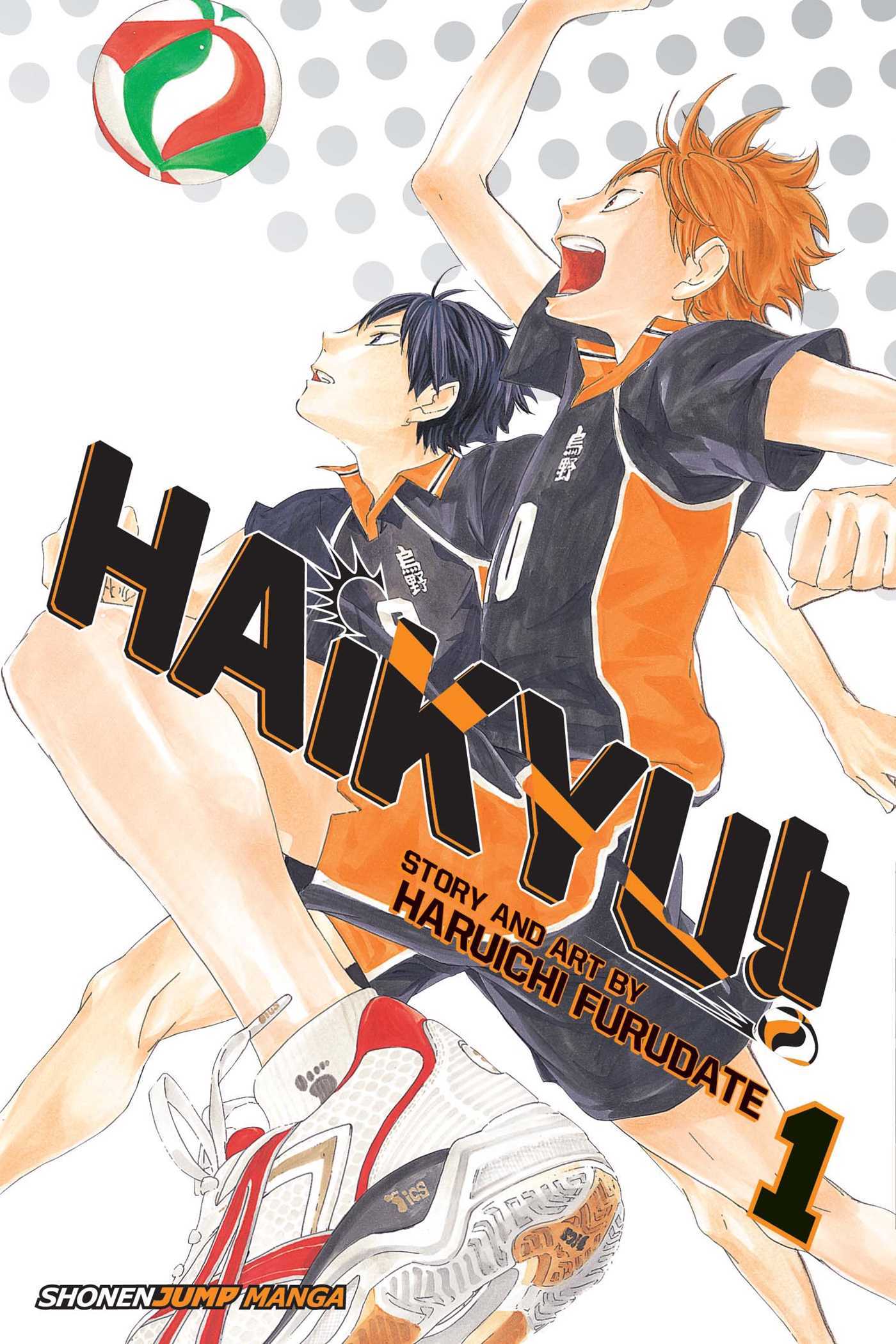
Haikyuu!! by Haruichi Furudate. This manga series was published in Weekly Shounen Jump from 2012 to 2020 and has multiple anime adaptations. The story follows Hinata Shoyou, a short boy who develops a passion for volleyball through his first year of high school as he learns, grows, fails and succeeds in tournaments.
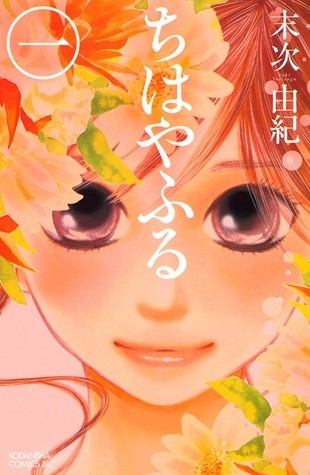
Chihayafuru by Yuki Suetsugu. This series, published in Be Love magazine from 2007 to 2022, follows three childhood friends reconnecting in high school through the traditional Japanese poetry card game karuta.
Gekkan Shoujo Nozaki-kun by Izumi Tsubaki (also known as Monthly Girl’s Nozaki-kun) is a yonkoma (four-panel comic) serialized online and published in physical volumes by Square Enix. This series is a comedic slice-of-life following Sakura Chiyo, a girl who messes up her confession to her crush and ends up working with him on his romance manga with a cast of humorous characters.
Is Love the Answer? by Uta Isaki was serialized in the Hatsu Kiss magazine from 2020 to 2021 with individual chapters collected into a single volume. This manga explores love and relationships through an aromantic asexual protagonist.
The Guy She Was Interested in Wasn’t a Guy at All by Sumiko Arai was initially published on the mangaka’s twitter before being serialized on Pixiv Comic and is still releasing new chapters. This story follows two girls who fall for each other, though one initially believes the other to be a guy, and who connect through their love of classic American rock.
Nonfiction manga:
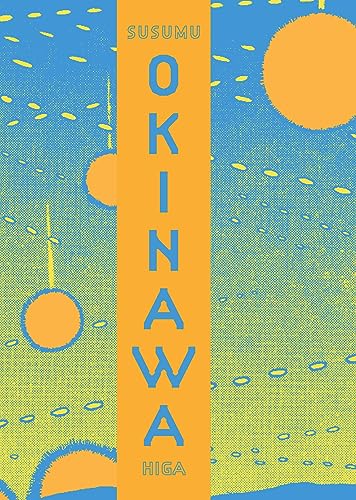
Okinawa by Susumu Higa (2023) collects the works of two previous manga by Higa into one book. The first story provides an Okinawan perspective to the Pacific Theater of World War Two and the second story addresses tensions on the island during post-war American occupation. This manga was also an Outstanding International Book for 2024 and a WOW Recommends Book of the Month.
My Brain is Different (2022) is a manga essay anthology with work from nine adults with developmental disorders and disabilities. This manga explores how they navigate life.
Until I Meet My Husband by Ryousuke Nanasaki (2019) is the manga adaptation of gay activist Ryousuke Nanasaki’s memoir, providing a look at LGBTQ+ activism in contemporary Japan. This manga is aimed at young adult/new adult audiences.
Webtoons:
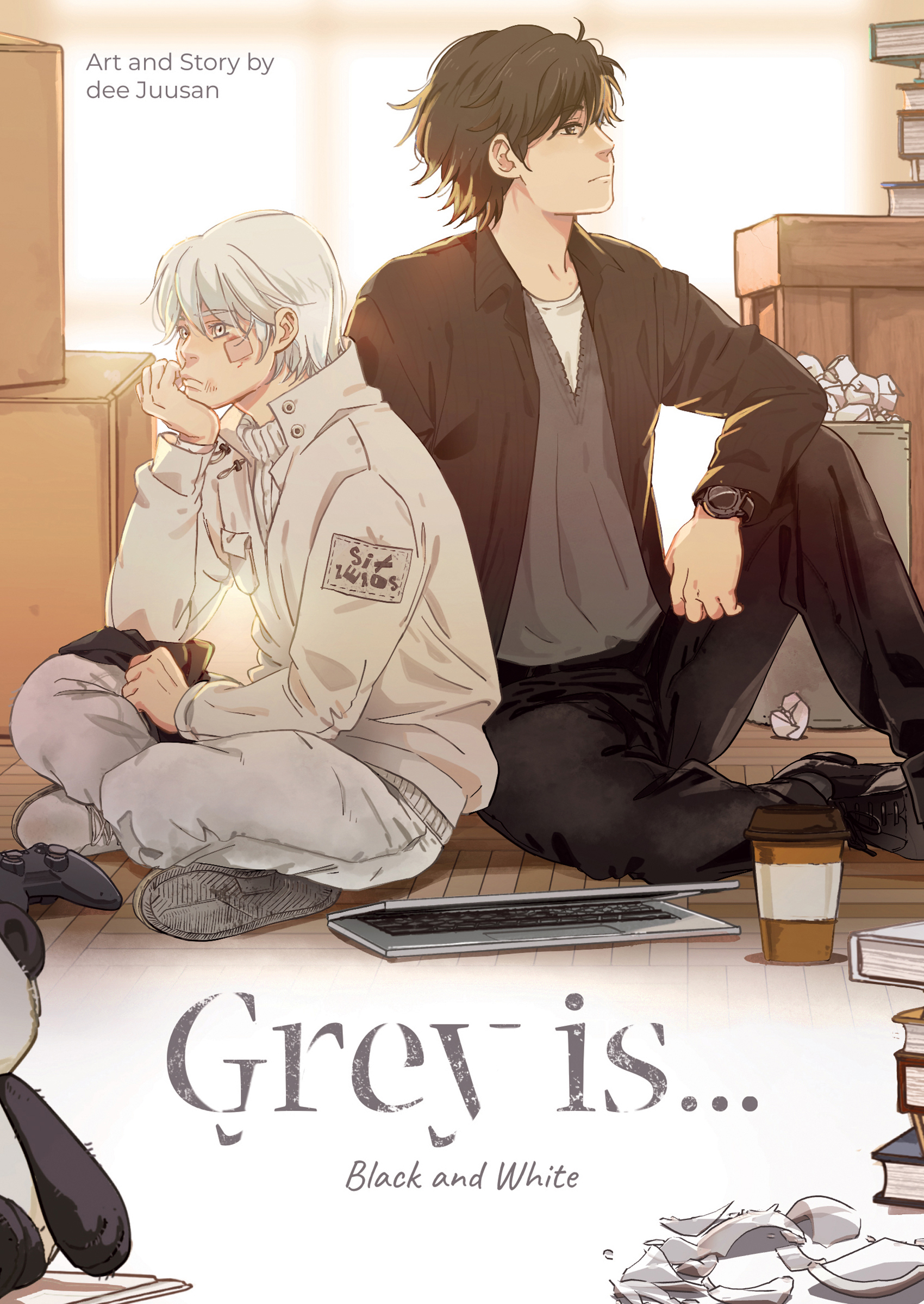
Grey Is… by dee Juusan, a mangaka based in Jordan. This manga aimed at young adult readers is a deeply emotional narrative following two friends, White and Black, reuniting to confront their traumatic pasts and navigate adulthood while preserving their friendship.
Carciphona by Shilin Huang, an illustrator and mangaka based in Canada. This fantasy manga follows a sorceress and an assassin navigating a dangerous world and all its secrets as they work with and against each other. It also comes with a companion manga set in the modern day titled Amongst Us.
References
Cockcroft, M. (2023, October 3). Graphic Novels, Manga Explode in Popularity Among Students: SLJ survey. School Library Journal. https://www.slj.com/story/Graphic-Novels-Manga-Explode-in-Popularity-Among-Students-SLJ-Survey
Harris, S. (2025, January 29). The Nation’s Report Card Shows Declines in Reading, Some Progress in 4th Grade Math. Nagb.gov. https://www.nagb.gov/news-and-events/news-releases/2025/nations-report-card-decline-in-reading-progress-in-math.html
Iyengar, S. (2024, October 3). Federal Data on Reading for Pleasure: All Signs Show a Slump. National Endowment for the Arts. https://www.arts.gov/stories/blog/2024/federal-data-reading-pleasure-all-signs-show-slump
Kersulov, M. L. (2016). Emotional Truth with Fictional Images: Reading and Writing Nonfiction Comics in the Secondary Classroom. The English Journal, 105(4), 69–75. http://www.jstor.org/stable/26359230
Short, K. G. (2018). What’s Trending in Children’s Literature and Why It Matters. Language Arts, 95(5), 287–298. http://www.jstor.org/stable/44810091
WOW Currents is a space to talk about forward-thinking trends in global children’s and adolescent literature and how we use that literature with students. “Currents” is a play on words for trends and timeliness and the way we talk about social media. We encourage you to participate by leaving comments and sharing this post with your peers. To view our complete offerings of WOW Currents, please visit its archival stream.
- Themes: Aika Adamson, manga
- Descriptors: Books & Resources, WOW Currents