By Monique C. Storie, University of Guam
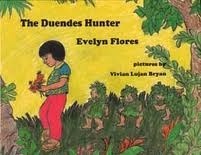
A young Micronesian student recently remarked, “I am a child of the village.” This powerful declaration resonates with many Pacific Islanders because it captures an enduring connection to deep-seated values, cultural heritage and social norms that shape personal identity as well as one’s place within the community. Inspired by her words, this collection explores what life as an islander truly looks like, highlighting the many ways our Pacific identities are expressed through family, tradition and everyday island life.
In many Pacific Islander communities, multigenerational living is a natural part of life, with extended family present in the small, everyday moments. Grandparents help raise their grandchildren, sharing stories and wisdom between chores, meals and play; cousins grow up as lifelong companions (and at times, cherished partners-in-mischief), and aunties, uncles and other relatives are never far, ready to guide, to encourage, or to join in laughter and celebration. These daily connections by both blood and chosen family build strength and resilience, shape character and foster a spirit of togetherness that helps form the heart of the village. The stories in this collection emphasize that being a child of the village means growing and thriving with the unwavering support of family and community, carrying forward the deep-seated values and wisdom that shape Pacific Islander life. Continue reading