WOW Recommends: Book of the Month

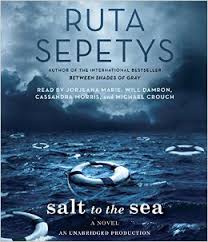
WOW Recommends: Salt to the Sea

Salt to the Sea by Ruta Sepetys
Book of the Month, May 2016
Salt to the Sea by Ryta Sepetys

Four teens tell of their journey during World War II as the Russian Army pushed Germans troops and refugees away from Baltic countries to the shores of the Baltic Sea where they were herded aboard ships to take them to Germany. When Russian subs sunk their ships, 25,000 of those people were killed. The characters are courageous and become dear as we discover their stories and the result of their ordeal. -Recommended by Marilyn Carpenter Continue reading

Decorative WOW Currents Banner

Diversity within Children’s and Young Adolescent Latino Literature: Afro-Latinos and Afro-Caribbean Communities

by Carmen M. Martinez-Roldan and Katherine Lorena del Carmen Keim-Riveros

port-au-prince-91757_640

Port-au-Prince

In our last blog of the month we focus on how the authors’ incorporation of non-English words in Afro-Latino and Afro-Caribbean literature can contribute to a better understanding and appreciation of the richness and complexities of Latino culture and the bilingualism of their communities. The books discussed through this month were all English-based texts, in which the authors purposefully incorporated the linguistic repertoire Continue reading

Decorative WOW Currents Banner

Diversity within Children’s and Young Adolescent Latino Literature: Afro-Caribbean and Indigenous Communities

by Carmen M. Martínez-Roldán & Richelle Jurasek

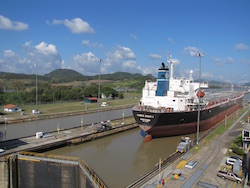
PanamaCanalThis week we continue our focus on Afro-Caribbean influences in Latino children’s literature but also start addressing Indigenous perspectives. Silver People: Voices from the Panama Canal, another historical fiction novel by Cuban-American author Margarita Engle, offers a window into the experiences of Caribbean islander workers but also into the experiences of indigenous communities Continue reading

Decorative WOW Currents Banner

Diversity within Children’s and Young Adolescent Latino Literature: Afro-Latinos and Afro-Caribbean communities, Part II

by Carmen M. Martínez-Roldán & Amy Olson

martinique-206916_1280


The Poet Slave of Cuba: A Biography of Juan Francisco Manzano, by Margarita Engle (2006)

Last week, we started featuring and commenting on literature that represents the experiences of Afro-Latinos and Afro-Caribbean communities Continue reading

Decorative WOW Currents Banner

Diversity within Children’s and Young Adolescent Latino Literature

By Carmen M. Martínez-Roldán & William García

Afro-Latino Adolescent LiteratureLatino children’s literature in the United States refers to literature written by Latino and Latina authors, whether in English or Spanish and regardless of the topics they address (Ada, 2003). Giving the great intragroup differences in social class, immigration patterns, and language practices among Latinos, we would expect Latino literature to reflect such diversity, but there is still a long way to go to meet that goal. Continue reading

WOW Recommends: Book of the Month

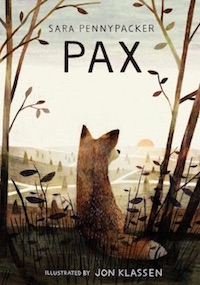
WOW Recommends: Pax

Pax by by Sara Pennypacker and illustrated by Jon Klassen
Book of the Month, April 2016
Pax by Sara Pennypacker and illustrated by Jon Klassen

Pax, a pet fox, and 12-year-old Peter have been together for 5 years from the time Pax was a 2-week-old kit. When they are cruelly separated each goes on an odyssey to find each other. This beautiful, magical and heart-touching story of a strong bond between a boy and his pet demonstrates how love and determination can overcome overwhelming challenges. -Recommended by Marilyn Carpenter
Continue reading

Decorative WOW Currents Banner

Responsible Citizens, Workers and Activists: Uncovering Informational Text Trios

By Charlene Klassen Endrizzi with Karen Matis

text trios
Open minds Operate best.
Critical thinking Over tests.
Wisdom can’t be memorized.
Educate! Agitate! Organize!

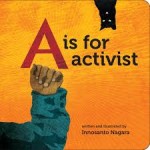
Nagara, 2013

Innosanto Nagara’s ambitious declaration parallels Eel’s change of heart which initiated Karen’s and my month-long investigation into Responsible Citizens and Workers. A is for Activist embodies an edginess designed to encourage teachers and students to contemplate action. Our classrooms need to include more moments of agitation where teachers and students are nudged to evaluate their current lives and ponder civic responsibility. Continue reading

Decorative WOW Currents Banner

Responsible Citizens: Considering the Power of Words

By Karen Matis with Charlene Klassen Endrizzi

the power of words
“I am constantly overestimating and underestimating the human race.”
from The Book Thief by Marcus Zusak, 2012

Death, an unconventional narrator, contemplates this final thought in Marcus Zusak’s historical fiction novel The Book Thief. In the context of World War II, these words offer a blunt description of a citizen who stands up for what is right and the possible unfortunate consequences of becoming an advocate for others. This week we continue our investigation of Responsible Citizens alongside a different seventh grade class studying The Book Thief. I offered this rhetorical question to help students contemplate Zusak’s thoughts related to their lives: “With which group do you want to be associated? the overestimated, popular opinion, or the underestimated, who labor against the grain to enact positive change?” Continue reading

Decorative WOW Currents Banner

Responsible Citizens and Workers: Tackling Informational Texts

By Karen Matis with Charlene Klassen Endrizzi

tackling informational texts

One fascinating aspect of the seventh graders’ questions during our conversation after the author Skype was their curiosity regarding specific vocabulary (such as “cesspool” or “costermonger”) used by Hopkinson. I think Dr. Matis’ Word Wall was a great tool for students, allowing them to discuss and learn new words.

Ben Gaul, history preservice teacher

This week we continue our exploration of what it means to be responsible citizens using The Great Trouble, Stolen Dreams, and companion web resources. My two seventh grade classes started our exploration of The Great Trouble with a Word Wall. Like Ben noted, I also see students’ engagement with texts increase if we collectively analyze unfamiliar words. The first word selected to place on our wall was “mudlark,” a term introduced and defined on page one. Readers eagerly contributed to the wall when they came across new vocabulary. To help students connect to words of low practical use but an integral part of understanding The Great Trouble, we acted out new terms or mimicked facial expressions to physically demonstrate a word’s meaning. Continue reading

Decorative WOW Currents Banner

Responsible Citizens and Workers: Nurturing Ethical Viewpoints in Seventh Grade

By Charlene Klassen Endrizzi with Karen Matis

examine civic responsibility“Instead of looking with my eyes, I decided to see with my heart.”
(Eel, mudlark in The Great Trouble by Deborah Hopkinson, 2013)

Eel, an adolescent protagonist, along with larger than life teens like Iqbal Masih and Malala Yousafsai from Pakistan, became central figures in a four week exploration of Responsible Citizens and Workers. Overarching questions like “What makes a responsible citizen?” and “What makes a responsible worker?” initiated a collaborative inquiry between Karen’s 45 seventh graders and 12 secondary education minors enrolled in my literacy course. Previous interactions with Deborah Hopkinson led us to contemplate various social justice themes in her books. We set out to create opportunities for middle school readers to explore their place in the world and consider avenues for making meaningful contributions. Eel’s ethical outlook of “see[ing] with my heart” invited adolescents and preservice teachers to examine civic responsibility in their present day lives. Continue reading