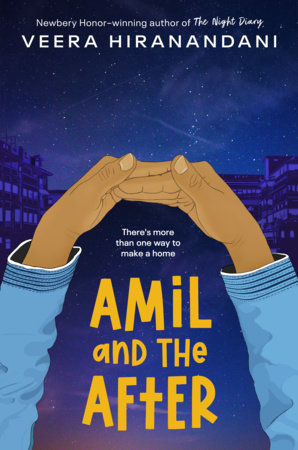
 Amil and the After by Veera Hiranandani is a companion novel to her Newbery Honor book, The Night Diary. That first book told how the twelve-year-old, twins, Amil and Nisha with their father and grandmother, made a harrowing escape from their family home because the British partitioned India in 1947. That meant that since the family were Hindus, they had to leave what became Pakistan since it just for Muslims after the partition. These historical fiction novels about events that few American children are acquainted with will give young readers insights about how those past events influence what is happening in today’s world.
“That’s when India became free from British rule, partitioned into two countries, and Pakistan was born. Most Muslims went to Pakistan. Most Hindus, Sikhs, and other non-Muslims went to India, and everyone started fighting and killing one another. Many starved or became ill and died on the journey.” (p. 5 Amil and the After.) Continue reading
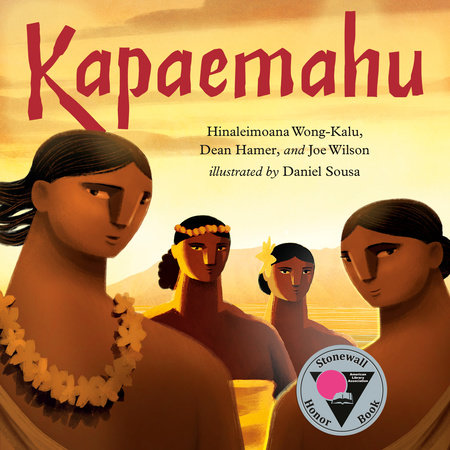 Kapaemahu is a multilayered picturebook that leaves the reader with much to contemplate. Based on a traditional Hawaiian legend, this captivating picturebook begins by transporting the reader to the days before recorded history, the time of storytelling, long before the colonization of Hawaii. In that long ago time, four Tahitians journeyed across the Pacific Ocean and arrived on the shores of Waikiki on the island of Oʻahu. These visitors were māhū, two-spirited beings who were neither male nor female but “a mixture of both in mind, heart, and spirit.” The māhū were favored by the Gods “with skill in the science of healing.” They healed many of the islanders and to honor the māhū, the people erected four great stones. Before vanishing from the island, the māhū transferred their healing powers into these four stones. Following the telling of the history of the māhū, the story moves the reader ahead seven hundred years in history to witness the impact of colonization upon the stones and subsequently the culture of the Native Hawaiians. The book ends with the call to remember the story of the māhū declaring, “When you share that story, you honor it.”