By Holly Johnson, University of Cincinnati, Cincinnati, OH
Like most people, when I read I have images playing my head, almost like a movie. I am traveling! But to get that movie and to take that journey, I need some prior knowledge about the setting of the story along with other details that bring the text to life. If I have a sense of the setting I don’t attend to the description as much as when I need to build the picture in my head from scratch. If I have been to a place, it serves as a handy backdrop to the piece of literature I am reading. When I haven’t been there, I need help. Of course, most of us do not have the extensive travel experience we would need (or like) to feel comfortable reading in this way. But travel is handy. It was also my passion when I was younger, and so I find that my experience of different places I have been are useful for my reading of international literature—on two accounts.
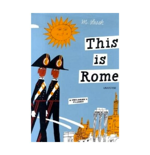 First, I like reading about where I have been. The reading is enriched when I can picture it. I pull the images from my memory to help envision the world to which the author has led me. Secondly, the reading enriches my experience of the places I have traveled. It’s also great to find books to read about a place—whether fiction or informational—when planning to travel in it. Some fun texts for cities across the globe are the Miroslav Sasek series such as This is London and This is Rome. These books were written in the 1960s and 1970s, but have “this is today” excerpts that help students see how cities change over time.
Continue reading
 This is the fourth of a planned four-part interview with Nick Glass, member of the 2009 Newbery Committee, conducted electronically by Judi Moreillon.
 This is the third of a planned four-part interview with Nick Glass, member of the 2009 Newbery Committee, conducted electronically by Judi Moreillon. Readers may refer to

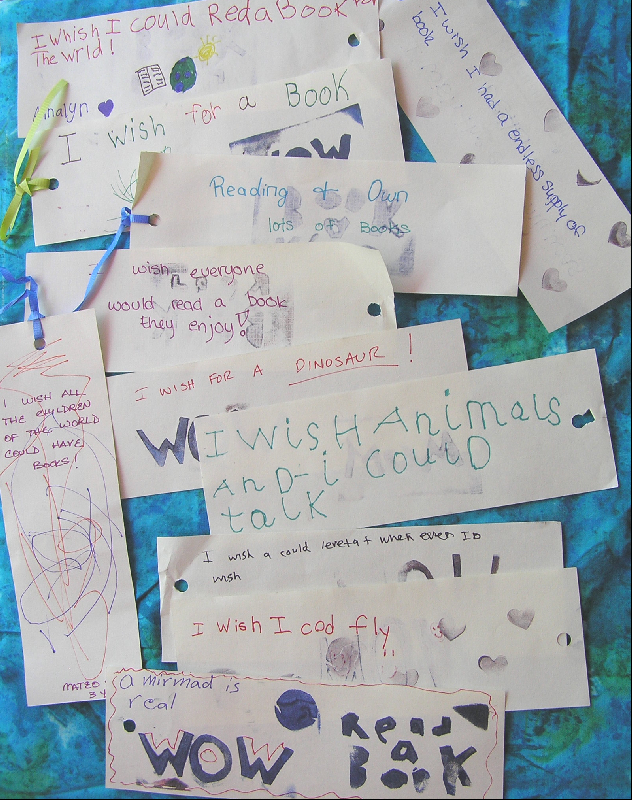 I wish I had a book.
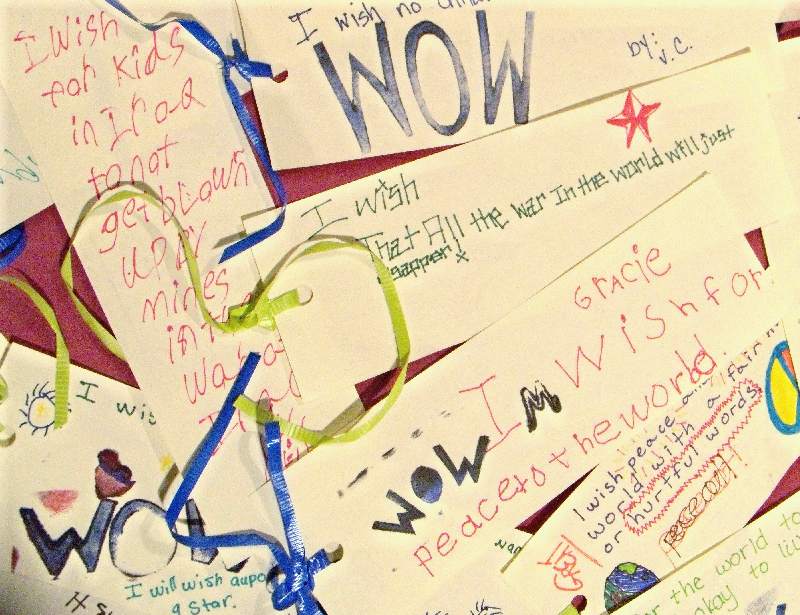 Many adults believe children should not be burdened with books that raise difficult social issues, particularly war and violence. They argue to protect the innocence of children, not realizing that what children want is perspective, not protection.