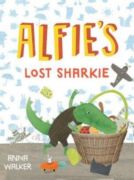
It’s time for bed, and a little alligator named Alfie can’t find his most important toy. Where could it be?

It’s time for bed, and a little alligator named Alfie can’t find his most important toy. Where could it be?
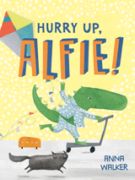
It’s time to get dressed and go the park, but Alfie is still in his pajamas. Putting on clothes seems like the least appealing thing to do for this energetic and curious little alligator, especially when there are so many amusing distractions.
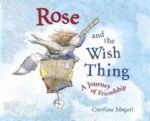
Rose is a lonely face in a new town, but when she makes a wish to find a friend, the Wish Thing starts a journey toward her from somewhere very far away.

A young girl gazes out over the horizon, and wonders what lands lie beyond the ocean, and what the people are like who live in those lands.
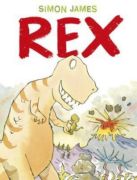
Once upon about 65 million years ago, a terrifying tyrannosaurus roams the earth. He spends his days raging through the jungle, scaring every other dinosaur in sight with his fierce roar. Then, one night while he is sleeping, an abandoned egg cracks open and out pops a tiny dinosaur who decides right then and there that this scary tyrannosaurus is his father. And so begins the touching story of a little dino and his search for a dad—a tale sure to resonate with families of all stripes.
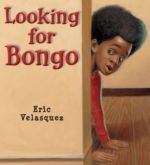
When a boy’s abuela accuses him of being careless with his beloved Bongo, he devises a trap and catches the toy thief red-handed.
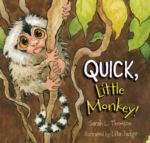
When Little Monkey’s curiosity causes her to slip and fall to the dark, shadowy rainforest floor, she must hide because an ocelot is looking for lunch. Thanks to Papa, Little Monkey knows what to do to stay safe. This adventure will enthrall readers as Little Monkey faces one challenge after another and will also teach them about the lives of pygmy marmoset monkeys, the smallest monkeys in the world.
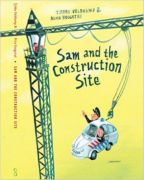
Sam loves to watch construction work. Every day, he stands behind the fence and watches the big machines–the steamroller, the cement truck, and the tall crane–in action.
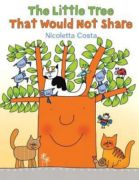
The seasons change and a little tree learns the joy of sharing.
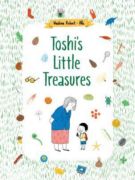
Toshi and his grandmother explore six of their favorite places — the riverbank, the town, the forest, the country, the park and the beach.