
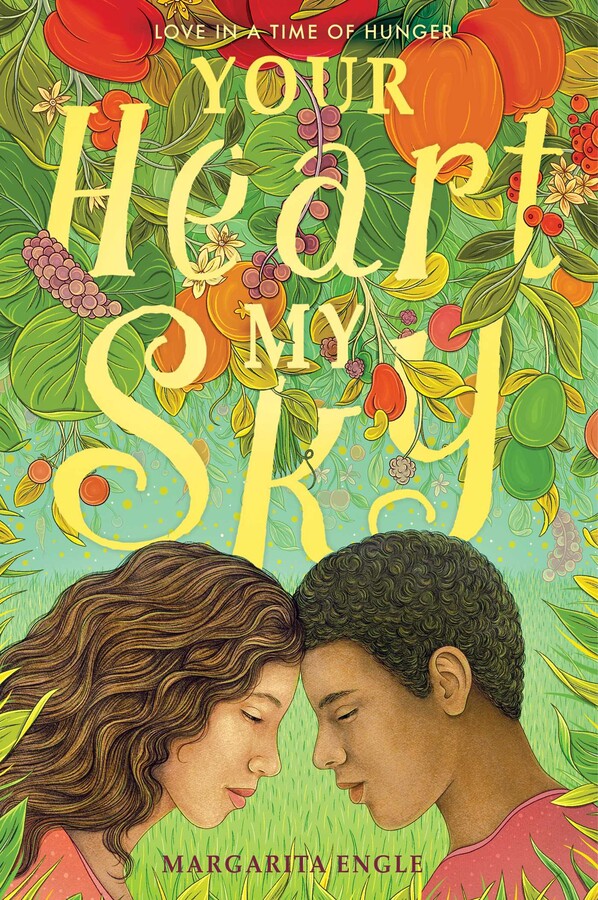
Liana, age 14, introduces life in Cuba during the summer of 1991 and el período especial en tiempos de paz, which seems to Liana to be a governmental euphemism for hunger. Risking punishment, she’s chosen not to attend mandatory “volunteer” farm labor. Amado, age 15, likewise stays home. Both spend their days wandering to avoid camp and find food. The Singing Dog, age unknown, brings Liana and Amado together to help them discover sources to quench their hunger, to alleviate their isolation and to pursue a peace. Continue reading
WOW Recommends
WOW Recommends: Book of the Month

WOW Recommends: Beatryce Prophecy
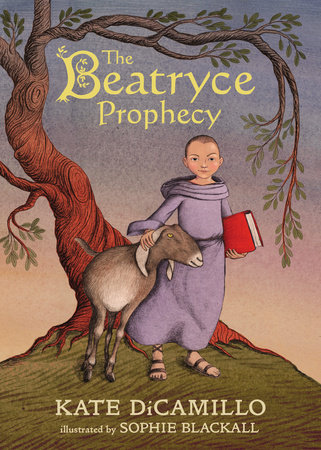
In this review Kathy Short and Marilyn Carpenter share their responses to The Beatryce Prophecy by Kate DiCamillo with illustrations by Sophie Blackall.
MARILYN: As soon as I finished this book, I eagerly read it again. With the first reading, I found the plot most engaging. On the second reading, I admired the author’s craft. The story takes place in the Middle Ages during a time of war. Five characters carry the story. First, the reader meets a monk, Brother Edik, who has written a prophecy about a girl who will unseat a king. Next, we are introduced to a cranky and fearsome goat, Answelica, who has a major role in the story as a protector of Beatryce, a young girl that Brother Edik finds ill, wounded and bloody curled up next to that goat, fast asleep. It turns out that the child has experienced a horrific trauma that has left her without any memory except that her name is Beatryce. As Brother Edik comes to know her he discovers that she can read and write which is dangerous because there is a law that says that no girls or women can read or write. Brother Edik shaves her head and disguises her as a young monk. Continue reading
WOW Recommends: Unsettled
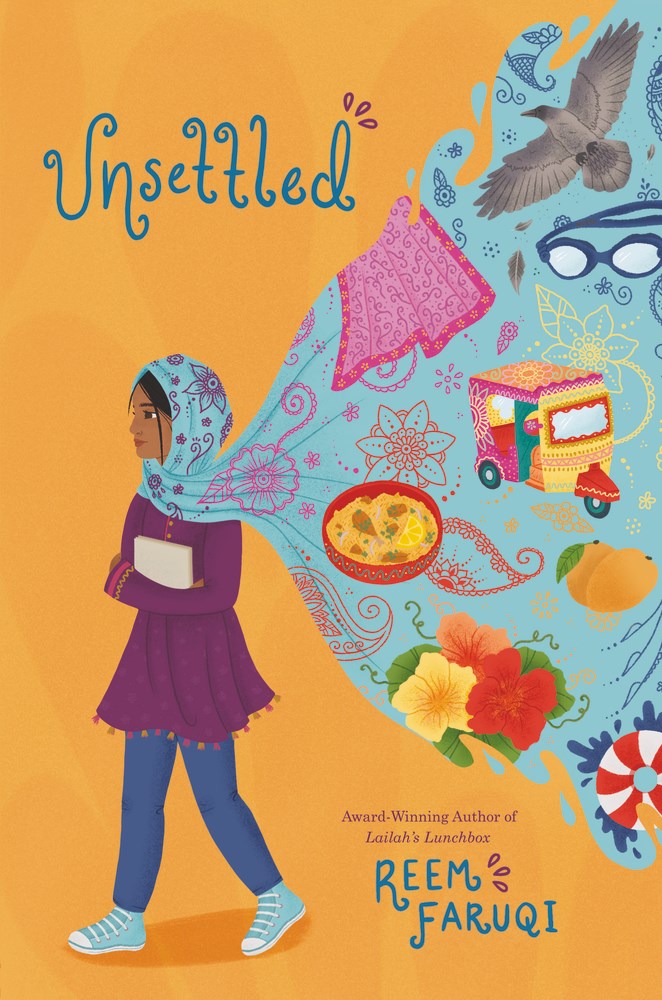
In Unsettled by Reem Faruqi, readers meet Nurah, who loves her life in Karachi, Pakistan. She loves her extended family, the sounds and tastes of home, and the local pool, where she and her brother Owais feel like they belong. So when her family moves to Peachtree City, Georgia in 2001 for a more stable job for her father, Nurah is not especially happy about it. She and her brother Owais, however, discover the community pool, and life in Georgia begins to show promise. They both make the swim team and work hard not only to excel in the pool, but to blend in to the local culture. But Nurah’s bright clothes, strong accent, and shy ways prove to be a hindrance to that blending in—as does September 11th and a horrific incident at the pool involving her brother. Nurah finally recognizes that she has stood on the sidelines of her own life and her family’s cultural heritage and well-being for too long. She must decide if she wants to fit in or stand out, knowing that her decision will make a difference in not only her happiness, but her sense of self. Continue reading
WOW Recommends: I Dream of PoPo
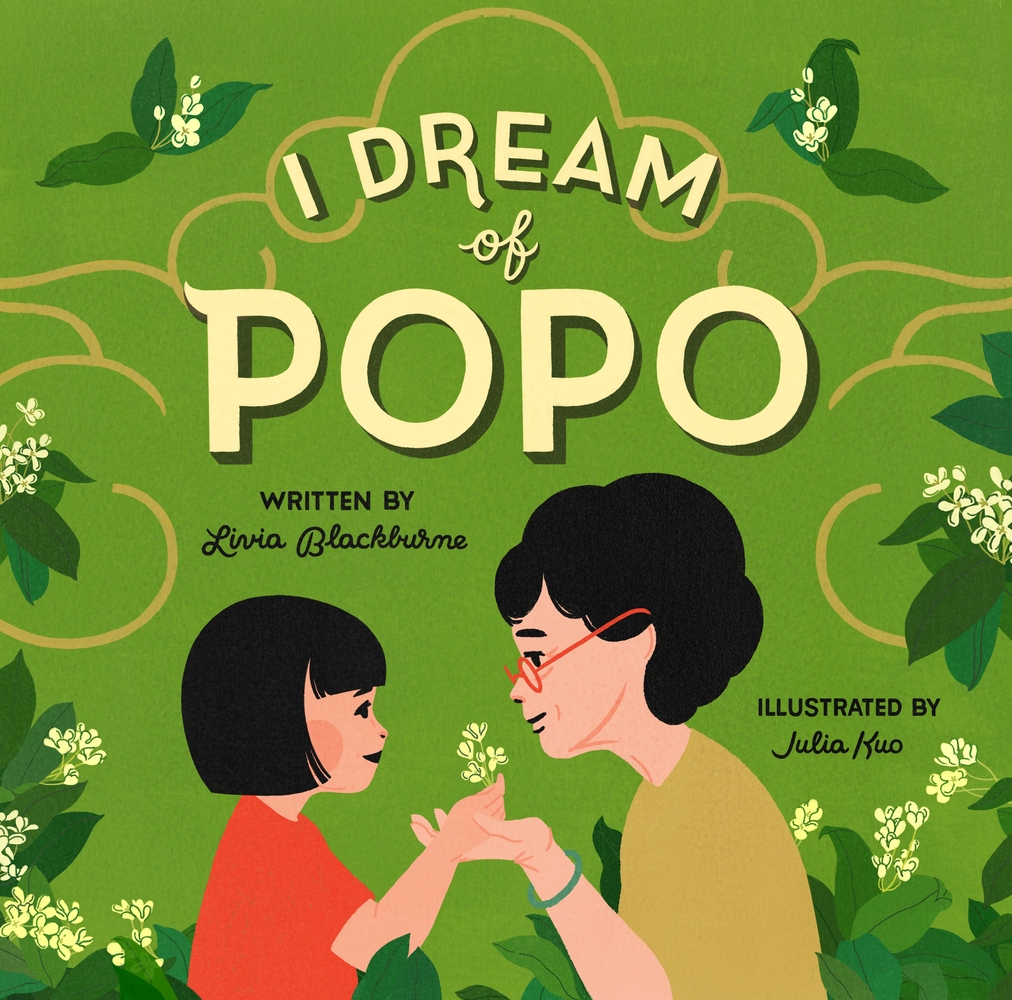
Blackburne, the author of I Dream of PoPo, and Kuo, the illustrator, capture the close bond between a girl and her grandmother in rich text and detailed illustrations. Their story starts in Taiwan where they share precious times together rocking, walking in the park, celebrating New Year’s, eating special foods. Then, the girl and her parents move to San Diego, California. Popo sends the child off with, “Call me every week and tell me about your adventures.” The child reports that she is learning a new language, but misses Popo’s noodles. The granddaughter learns English, “the words form easier on my tongue.” But when she visits Popo the Taiwanese words feel “strange in my mouth.” Yet their hugs are “as tight as before.” When Popo is sick, her granddaughter sings to her and says, “I wish I could reach across the ocean and hold her up.” The story ends with the child dreaming about her Popo. Continue reading
WOW Recommends: Sweet Pea Summer
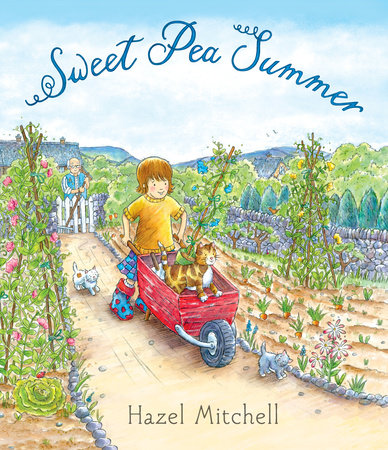
Sweet Pea Summer is the perfect book to enjoy reading aloud during the summer. A young English girl tells the story of a summer when her Mom had to go to the hospital, and her Dad takes her to be with her grandparents in a country village. Of course, the girl misses her parents and has trouble concentrating on her reading, or her art because she is worried about her mother. Then Grandpa suggests that she help him in his large garden full of flowers and vegetables. Grandpa gives her the job of taking care of his prized sweet peas. She also has the opportunity to enter the sweet peas in the village flower show at the end of the summer. Continue reading
WOW Recommends: Firekeeper’s Daughter
 Angeline Boulley’s debut novel, Firekeeper’s Daughter, is a contemporary YA thriller about an Ojibwe teen living in the Great Lakes area who struggles to balance her identity, honor her community and pursue justice. Just out of high school, Daunis Fontaine halts her plans to go away for college and instead stay home to care for loved ones. Jamie, an intriguing new guy in town with a mysterious scar, captures her attention before pulling her into an FBI investigation. From here, Daunis experiences trauma to top an already challenging existence. This includes drugs, murder, rape, kidnapping and betrayal. Continue reading
WOW Recommends: They Called Us Enemy
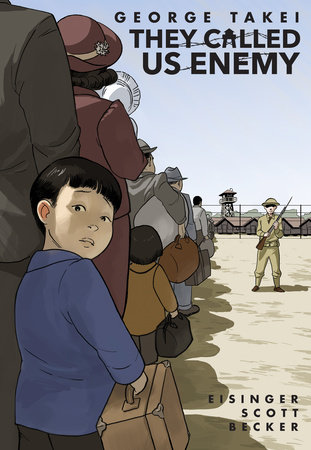
George Takei is well-known as the actor who portrayed Sulu, the physicist on board the USS Enterprise in the Star Trek series. Now in his 80’s, his graphic memoir They Called Us Enemy chronicles points in his life connected to his years in the WWII Japanese internment camps. So how does one go from being an ostracized child surrounded by barbed wire to a beloved TV star? The graphic novel answers that question, but it does much more. It gives a window into the complex history of the internment camps and how one family of five weathered the four-year journey that started in the spring of 1942 with the forced move from their Los Angeles home to the Santa Anita racetrack horse stables. They then spent two years at Camp Rohwer in Arkansas, and finally two years in Camp Tule Lake in Northern California from where they left in March of 1946 to return to Los Angeles. Continue reading
WOW Recommends: The Cat Man of Aleppo
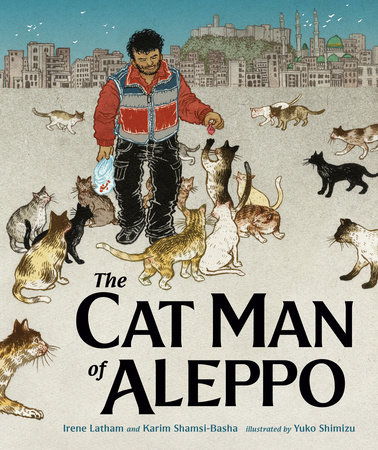
This true story of The Cat Man of Aleppo will always remain in my heart. In this time of the virus and difficult challenges, this true story is an inspiration. A note from the Cat Man, Mohammad Alaa Aljsleed, in the beginning of the book says, “This is a story about cats and war and people. But most of all, it is a story about love”. His love for cats and how he cared for them after the terrible destruction of the civil war in Syria is the focus of the story. Continue reading
WOW Recommends: The World’s Poorest President Speaks Out
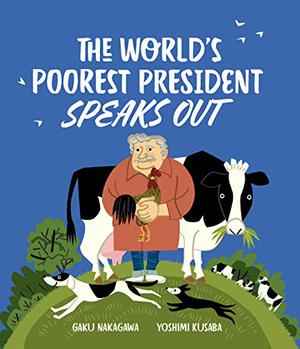 José Mujica is no ordinary president. He lives on a small farm with his wife and three-legged dog. He drives a light blue, 1987 VW Bug. When he served as president of Uruguay from 2010 to 2015, Mujica donated 90% of his $12,000 per month salary to charities that worked to support small businesses and those living in poverty. It’s no wonder the citizens of Uruguay affectionately called him “Pepe.” But others around the world called Pepe Mujica “the world’s poorest president.” Pepe dismisses this nickname stating, “I don’t feel poor. Poor people are those who only work to try to keep an expensive lifestyle and always want more.” Readers should know that Pepe is also known for unapologetically speaking his truth even if his words cause discomfort. Continue reading
WOW Recommends: The Most Beautiful Thing
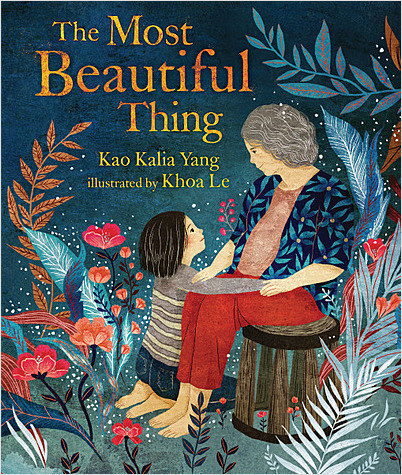 There are many things beautiful about The Most Beautiful Thing by Kao Kalia Yang. First, it shares the story of a young refugee from Laos and her grandmother. Then it has richly-colored illustrations. But the most beautiful thing might well be different for each reader. It is an emotional refugee story, a narrative of the challenge of poverty, a theme of acceptance, and a reflection on how beauty is identified. Each can be found in this sensitively told story that evolves from the author’s personal experiences. For me, the most beautiful thing about the book is the intergenerational relationship that reveals a mutual bond of love, respect and admiration, setting this book apart from many others that tell of relationships between children and grandparents. One quote represents the tone of this relationship: Continue reading