By Susan Corapi, Trinity International University, Deerfield, IL, and Deanna Day, Washington State University, Vancouver, WA
This month Susan Corapi and Deanna Day selected titles that were submitted to the Outstanding International Book committee. The OIB committee reads approximately 500 books and selects 42 distinguished titles that represent the best global books in the world. The committee announced the winning titles at the American Library Association conference in January. Visit the United States Board on Books for Young People(USBBY) website for the complete 2020 list of books where you can download a bookmark and a PowerPoint presentation.
As part of the work of the committee themes and issues were identified across all of the titles and for this column we selected books that address crossing borders, whether literally or figuratively.

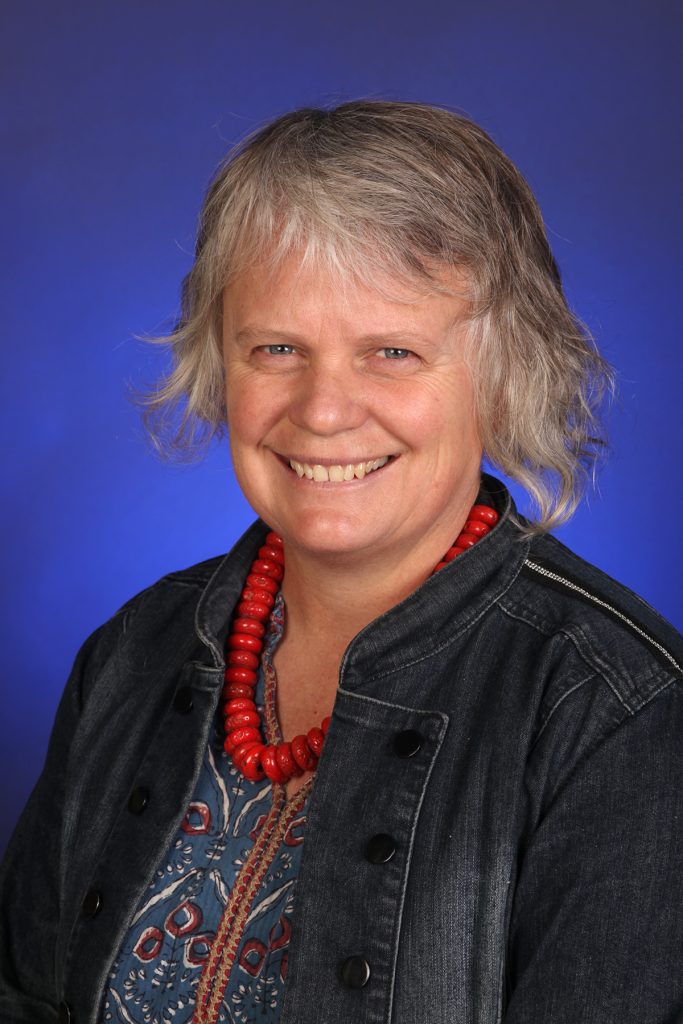 Being a Fulbright Scholar in Worlds of Words is an amazing privilege. I arrived here in late October 2019 and will leave at the end of February 2020, after a four-month period. There are many scholarships available through Fulbright, all of them encouraging exchange between the United States and another country in the world.
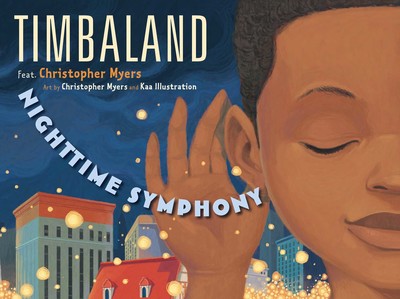 For this last post focused on the role of literature in supporting music’s importance as a multimodal approach to living and learning in the global society, we consider books that reflect the cognitive support between language and music. The development of both music and language for young learners has been revealed as a somewhat reciprocal process. Recent research, has revealed that the brain regions that process syntax are also responsible for other communicative forms such as music. Concepts about print, conventions of print, rhythm, rhyme and patterned texts are each nurtured by music. Phonological awareness and auditory discrimination of letters and notes, important in language learning, are also important in developing communication through music. Literature offers resources that support these processes. Poetry, obviously, provides rhythm and often rhyme; onomatopoetic words within text can sharpen listening skills; language can help develop a sense of dynamics, tempo, and emotional qualities; and books that point to the importance of listening to the sounds around us link the natural world as a form of communication.
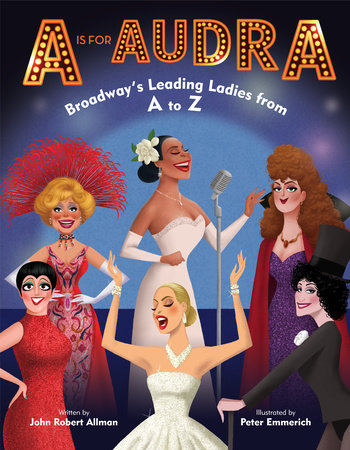 As we realize, music has been part of mankind’s history since its beginning. The 2019 published books shared here reflect only a few of the ways it has been woven into lives but can encourage readers to seek instances across genre. Broadway is known as the place where music and story intersect in powerful ways and the voices of Broadway impact how these stories are told.