This month we’re examining four books that focus on the theme Sense of Place. Having a sense of home or belonging is something humans value almost as much as family. The books selected for this month center around characters who find that special sense of place, or have to leave their longtime place and find a new one. This week’s selection is Insignificant Events In the Life of a Cactus.


Using Indigenous Literature to Heal from Historical Trauma
By Angeline P. Hoffman, White Mountain Apache
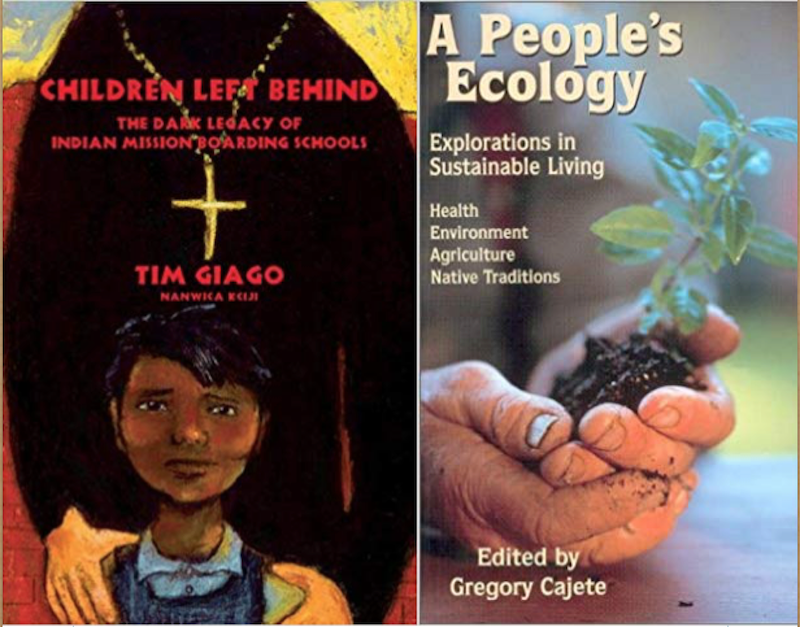
Dr. Gregory Cajete, the editor of A People’s Ecology: Explorations in Sustainable Living, puts together many voices to focus on health and healing in Indigenous cultures. This book provides a substantial contribution to our knowledge of many subjects, including foods, food traditions and farming among Indigenous peoples; health problems resulting from the adoption of a “modern” diet by Native communities; efforts to restore the self-reproducing food plants that are the foundation of sustainable agriculture; permaculture and environmental restoration; the folk healing system known as curanderismo; the renaissance of ancient building practices; and organic foods retailers as activists.
MTYT: Pablo Finds a Treasure
For My Take/Your Take this month, we examine four books that focus on the theme, Sense of Place. Last week, Michele and Yoo Kyung challenged the ways in which we think about place as home and instead consider how place is about where one discovers self. This week, they use the lens of sense of place to give their takes on Pablo Finds a Treasure by Andrée Poulin and Isabelle Malenfant.
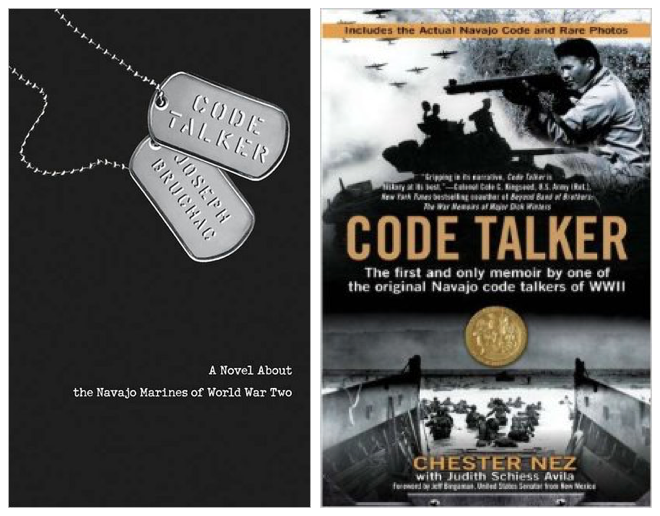
Code Talker Stories
By Angeline P. Hoffman, White Mountain Apache
Code Talker stories are important because of the significant impact Code Talkers had on World War II. Additionally, the portrayals of the Code Talkers in story empower the reality of our Navajo Heroes. This section, I would like to honor them. During the course of World War II, Diné (Navajo) code talkers were a crucial part of the U.S. strength in the South Pacific, sending and receiving messages in an unbreakable code based on the Diné language. As Marines, they took part in every assault, from Guadalcanal in 1942 to Okinawa in 1945, experiencing some of the bloodiest fighting in the war. For the Diné code talkers, the military experience of serving in World War II–mythologized as “the good fight”–was a chance for the young men to demonstrate their courage in the most exciting adventure of their lives. Descriptions of the following books are copied from the publishers’ websites unless otherwise noted.
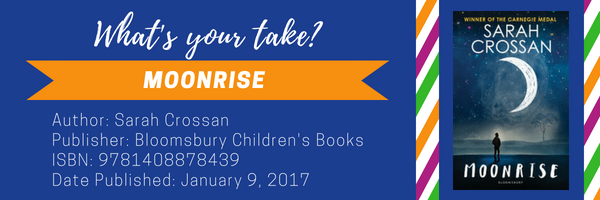
MTYT: Moonrise
 This month we examine four books that focus on the theme, Sense of Place. Living in Hawaii, Michele feels particularly drawn to the idea of having a strong and grounded sense of place. For her, this notion means being deeply connected to the land and natural environment and having a feeling of “at homeness” somewhere. Recently her family lost their beach home to the powerful forces of lava in Kapoho, Hawaii. This brought forth many emotions as she believes this special home helped her understand what it means to have a sense of place. It is with this lens that she responds to the selected books given the theme this month.
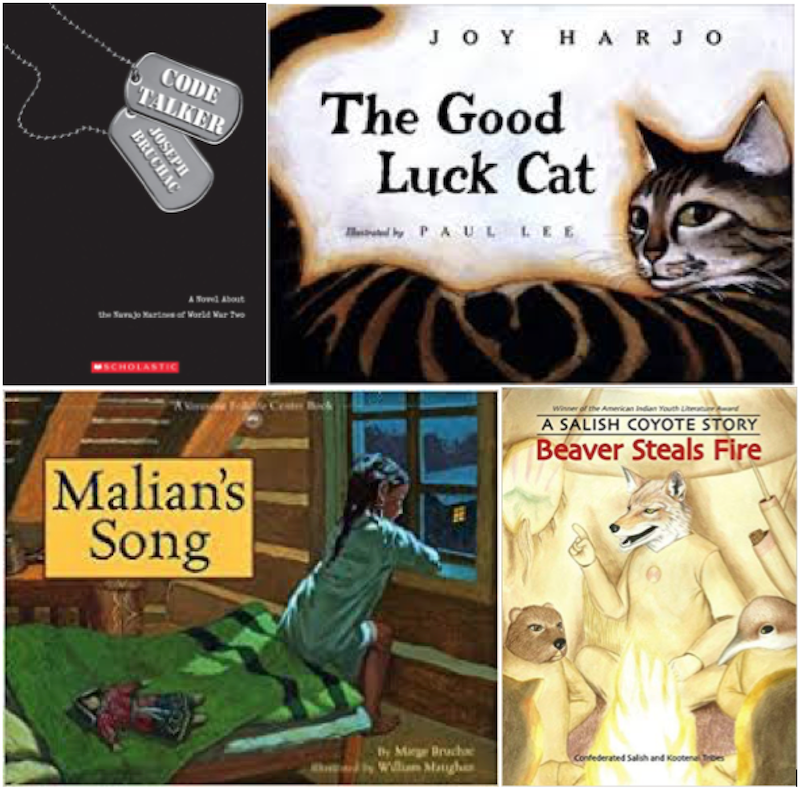
Stories of the American Indian Experience
By Angeline P. Hoffman, White Mountain Apache
The stories of Indigenous people reflect both the material and deeper aspects of our culture. These deeper aspects include traditions such as oral storytelling, considered a spiritual practice. Oral tradition is used to tell certain stories the way they should be told, with an impassioned audience and storyteller. These stories are defined as a body of literary works with standard procedures that have been preserved for many generations through performance. This structure helps listeners create awareness of their own cultural perspective. It’s important to understand the place of oral literature in Indigenous culture and to translate those stories into print so they can be shared. The weaving together of oral literacy with writing reveals unique features and values within many different cultures. This significance of the vocal and textual language is shown in several of this week’s suggested books that have been adapted from oral to print. Other books selected demonstrate culture, tradition, genocide, abuse and heroism, and help to honor the American Indian Experience.
MTYT Bonus: Looking Ahead to a Puerto Rican Read In
René Picó and Charlene Klassen Endrizzi close their inquiry with a bonus post looking ahead to their upcoming Puerto Rican Read In, scheduled for Fall 2018. We hope our read-in helps children connect to cross-cultural experiences through common everyday interactions and ponder cultural misunderstandings some mainlanders hold about a group of American citizens from another region in the United States.

WOW Recommends: Children of Blood and Bone
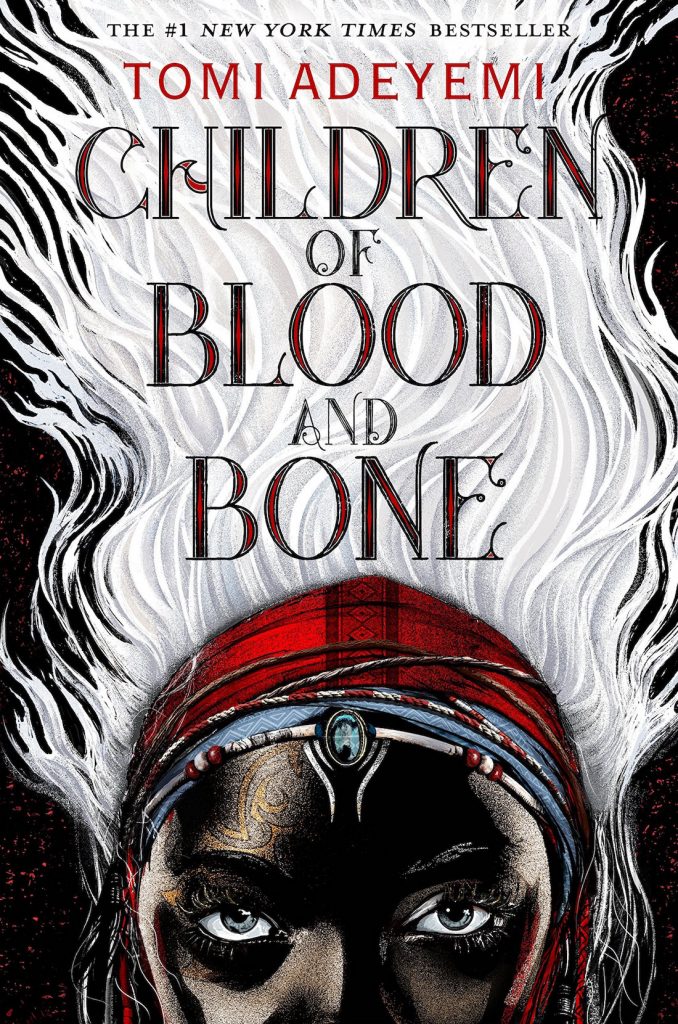 Let’s talk about Children of Blood and Bone by Tomi Adeyemi, a YA fantasy that opens with a lynching and ends with an author’s note urging readers to rise. In between is nothing but action, emotional turmoil and rarely a chance to breathe. Emphasizing this occurrence, Adeyemi repeatedly echoes Eric Garner’s words, “I can’t breathe.” Continue reading
Peace Defined by Child Characters and the United Nations
Susan Corapi, Trinity International University, Deerfield, IL
I have just been listening (again) to Albinoni’s Adagio in G Minor, the piece that cellist Vedran Smailovic played in Sarajevo to protest the deaths of 22 innocent civilians. As I listen to the exquisite melodies, I think about peace and what that means to so many people around the world who are in areas of political strife. I also think about peace in the homes of the people I interact with, whose lives have been fractured by bullying behavior, divorce, abuse, other forms of violence, death and extreme poverty. We need peace in all areas of our lives.
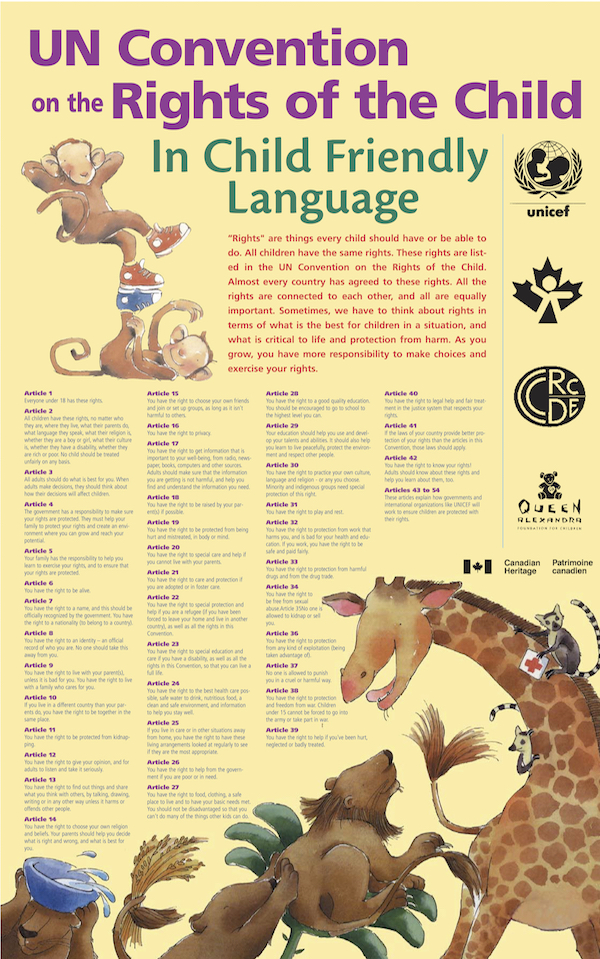
Click to go to Unicef’s full-size poster.
MTYT: The Role of Women in Puerto Rican Culture
Many layers of idiosyncrasies lie within the books that allow readers to explore the cultural complexities of the Puerto Rican experience. This week, My Take/Your Take looks at the role of women in Puerto Rican culture as evident through a contemporary, well-known role model in Sonia Sotomayor: A Judge Grows in the Bronx and a quieter, equally crucial role model in Grandma’s Records.