As we’ve been discussing for all of June, the current emphasis in schools on developing emotional health in children prompted our selection of books. We chose books that discuss emotions common to children (loss, fear, anger) but with a twist. The emotions are personified within the story. Just as important, the books tell stories in which children are able to come to grips with these emotions. The focus is on the great story–not on a list of coping skills found at the end that are supposed to teach children and parents. This week, we discuss the emotion of anger in The Bad Mood and the Stick


WOW Invites Applications for Teen Reading Ambassadors
By Zachary Steiner, Editorial Assistant for Worlds of Words
Worlds of Words seeks applications for the Teen Reading Ambassador initiative, a program in the University of Arizona College of Education offering a college experience with young adult literature to high school students. Ambassadors learn about young adult literature under the direction of faculty and staff with expertise in children’s literature, education, library science and marketing.
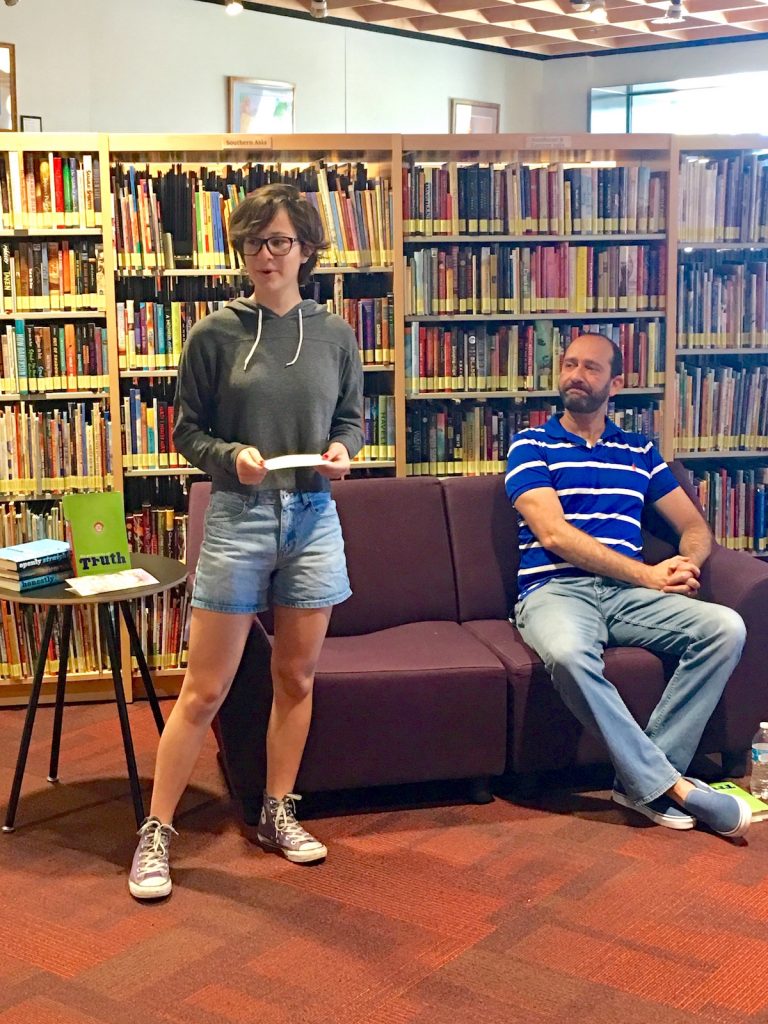
Teen Reading Ambassador George Ballenger introduces Bill Konigsberg, author of The Porcupine of Truth.

Indigenous Comics and Graphic Narratives
By Celeste Trimble, St. Martin’s University, Lacey, WA
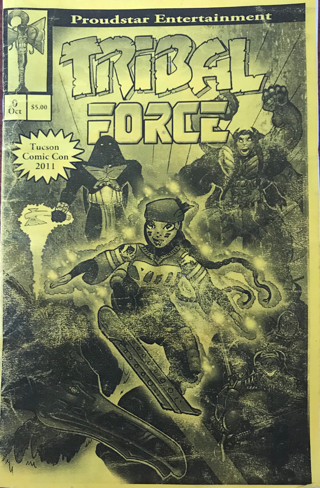
Last week at AILDI, the American Indian Languages Development Institute at the University of Arizona, Jon Proudstar gave a talk about infusing Indigenous language and culture into his comic books. Although I was unable to attend, I am happy to see Indigenous comics and graphic narratives being a part of the conversation at AILDI.
New Art Exhibit at Worlds of Words Captures Joys of Childhood
By Courtney Gallant, Editorial Assistant Intern, Worlds of Words
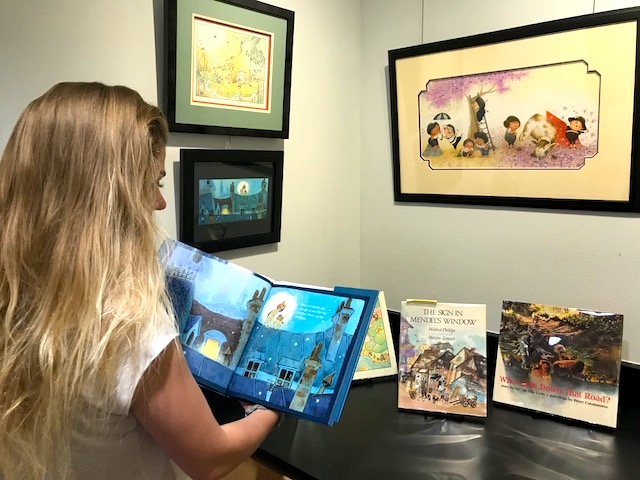
Create. Play. Learn. Whimsical adventure comes to mind at these words, and that’s what greets patrons of a new exhibit of original art and picturebooks at Worlds of Words in the University of Arizona College of Education. The exhibit is free and open to the public who are encouraged to visit Create. Play. Learn. to see how children’s literature reflects these childhood activities.
MTYT: Orion and the Dark
As we discussed last week, the current emphasis in schools on developing emotional health in children prompted our selection of books. We chose books that center around emotions common to children (loss, fear, anger) but with a twist. The emotions act as a character in the story. Also important, the books tell stories of a child coming to grips with emotion. The focus is on the great story–not on a list of coping skills found in the end matter and meant to teach children and parents. This week, we discuss Orion and the Dark.
Indigenous Own Voices after Sherman Alexie
By Celeste Trimble, St. Martin’s University, Lacey, WA
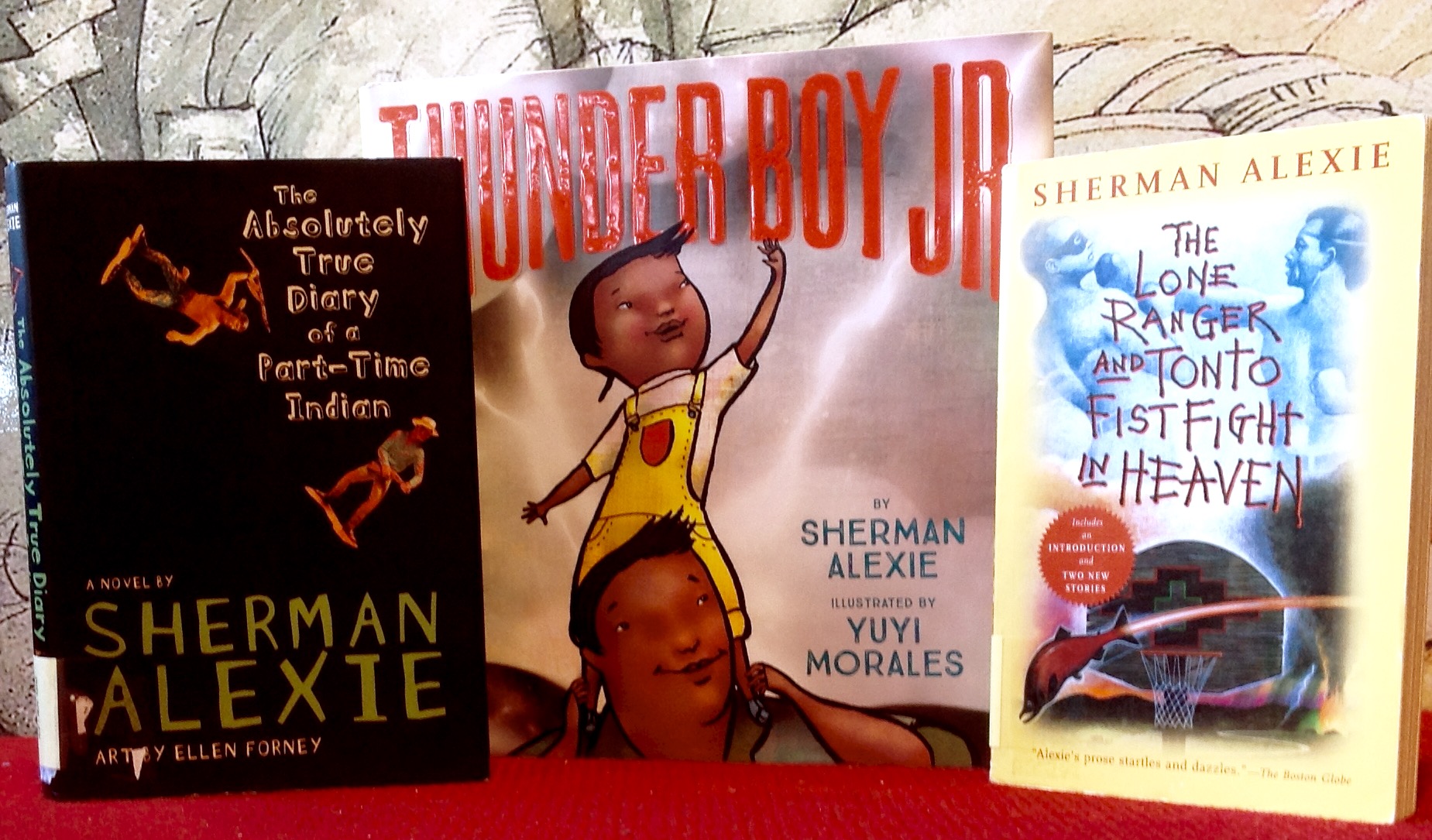
I grew up on a steady diet of Island of the Blue Dolphins, Little House on the Prairie, Walk Two Moons, Julie of the Wolves, et cetera, stories with native content written by non-native authors. Before The Absolutely True Diary of a Part Time Indian, I hadn’t read Cynthia Leitich Smith’s or Joseph Bruchac’s novels. But I had read Michael Dorris’ and Lousie Erdrich’s work for children, thanks to my love affair with Erdrich’s novels for adults. I hadn’t read any Indigenous Canadian authors writing for youth. Before The Absolutely True Diary of a Part Time Indian, I offered my students and my children solely historical fiction about Indigenous identities and stories. Nothing contemporary, and so very little, sadly, Indigenous Own Voices.
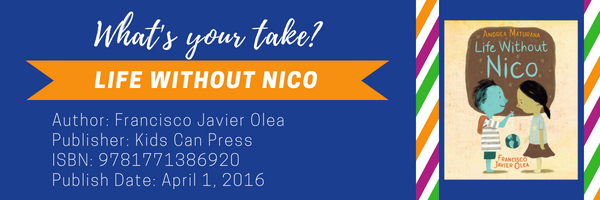
MYTY: Life without Nico
The current emphasis in schools on developing emotional health in children prompted our selection of books. The four titles focus on emotions common to children (loss, fear, anger) but with a twist. The emotions are personified and act as a character in the story. Also important, the books tell a story of a child coming to grips with emotions. The focus is on the great story–not on a list of coping skills in the end matter meant to teach children and parents. This week, we are discussing Life Without Nico.

WOW Recommends: Chef Roy Choi and the Street Food Remix
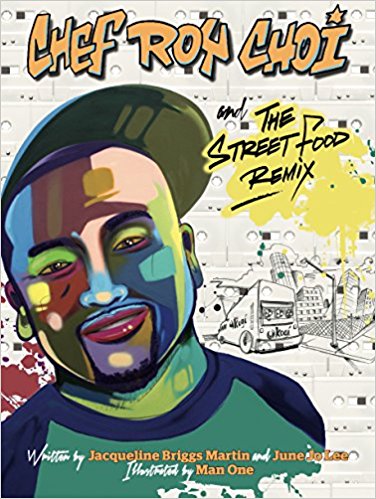 In this spicy picturebook biography, Chef Roy Choi and the Street Food Remix, authors Jacqueline Biggs Martin and June Jo Lee and illustrator Man One celebrate immigrants and offer a love letter to the remix of cultures through food in Los Angeles. The first lines offer a promise of the zesty text to come. “Chef Roy Choi can chop an onion in an instant, carve a mouse out of a mushroom. He’s cooked in fancy restaurants, for rock stars and royalty. But he’d rather cook on a truck.” Continue reading
MTYT: Connecting Our Reading to Each Other and Further Readings
In this week’s MTYT, Holly and Marilyn discuss how different books with similar themes connect to one another in meaningful ways. When these connections are recognized, separate pieces of literature are able to be looked at together. This creates the opportunity for younger readers to further educate themselves on the different cultures within these books.
Globalizing the Reading of Middle and High School Students
By Kathy Short, The University of Arizona, Tucson, AZ
Although the classics serve as the foundation of most secondary literature classrooms, their domination is challenged by the call for cultural perspectives that reflect the diversity of our global society. The classics are critiqued for their basis in Western mainstream perspectives, biases against women and people of color, and inclusion of dated language and confusing writing styles, such as obscure expressions and unfamiliar sentence constructions. In addition, few classics have teens as main characters, having been written for adult audiences, and so teens struggle to connect. Given that these canonical texts are usually mandated reading, one way that teachers can increase relevancy and globalize reading is to pair the required classics with young adult global literature. These pairings can bring more diverse literature into the curriculum and, at the same time, create a context for understanding the classic work and its relevance for middle and high school students.