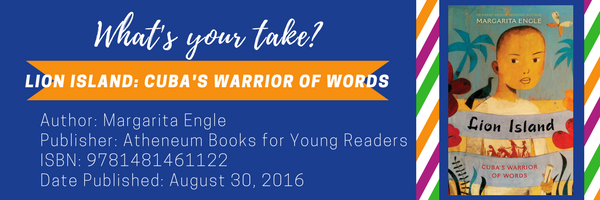
For this final conversation around “Rethinking conceptual otherness in history: Exploring untold histories in the U.S. and global communities,” Michele Ebersole and Yoo Kyung Sung give their takes on Lion Island: Cuba’s Warrior of Words by Margarita Engle. They began the discussion with A Diamond in the Desert by Kathryn Fitzmaurice, Bronze and Sunflower by Cao Wenxua and Gaijin: American Prisoner of War by Matt Faulkner.


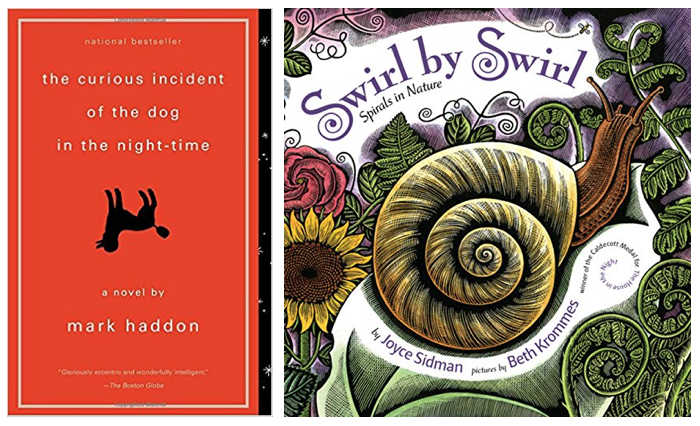
Stories and Poems that Incorporate Math
By Susan Corapi, Trinity International University, Deerfield, IL
This week’s focus is on books that incorporate math into a story. Books written to teach a mathematical concept are not always connected well to real life. The stories profiled in this post are about people who use math in their work, their social lives and their classes. The stories are complex with layered characters and are rich with themes to explore and discuss in STEM areas and also in other content areas (particularly the social sciences). The second half of the post is focused on poetry that incorporates math and science.
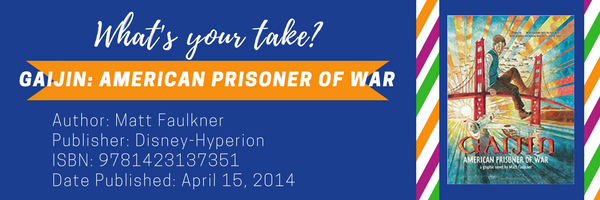
MTYT: Gaijin
Continuing the conversation around “Rethinking conceptual otherness in history: Exploring untold histories in the U.S. and global communities,” Michele Ebersole and Yoo Kyung Sung give their takes on Gaijin: American Prisoner of War by Matt Faulkner. They began the discussion with A Diamond in the Desert by Kathryn Fitzmaurice and Bronze and Sunflower by Cao Wenxua. Next week, they will discuss Lion Island: Cuba’s Warrior of Words by Margarita Engle.
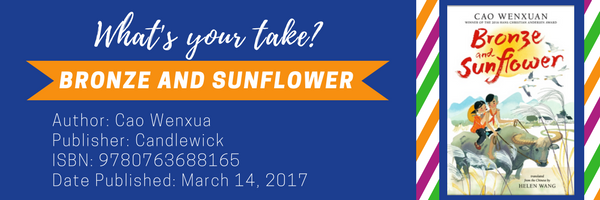
Biographies of Mathematicians
By Susan Corapi, Trinity International University, Deerfield, IL
Biographies are important for building interest in mathematics. By putting a human face on a field that students tend to see as abstract, biographies help young people see what people who study complex math are interested in and how they ask questions that drive their thinking and research.
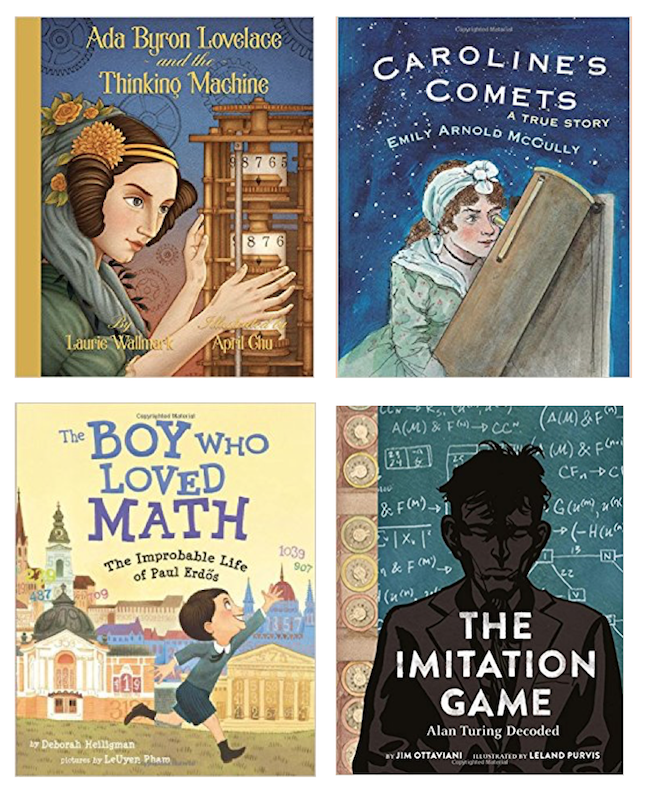
MTYT: Bronze and Sunflower
This August, Michele Ebersole and Yoo Kyung Sung give their takes on “Rethinking conceptual otherness in history: Exploring untold histories in the U.S. and global communities.” They begin the discussion with A Diamond in the Desert by Kathryn Fitzmaurice. This week they consider Bronze and Sunflower by Cao Wenxua. In the coming weeks, they will discuss Gaijin: American Prisoner of War by Matt Faulkner and Lion Island: Cuba’s Warrior of Words by Margarita Engle.
Math In Children’s Literature
By Susan Corapi, Trinity International University, Deerfield, IL
I teach Reading and Writing Across the Curriculum to preservice teachers. The course covers literacy in various content areas at the middle and high school levels. One of my goals in this class is to help students understand the literacy practices embedded in their various disciplines. This gives them a better understanding of how they can support middle and high school students in their attempts to read discipline-specific texts as a mathematician, scientist, historian or musician might read them. I also want them to experience using literature to work across disciplines, collaboratively building unit plans that support critical thinking in their content area.
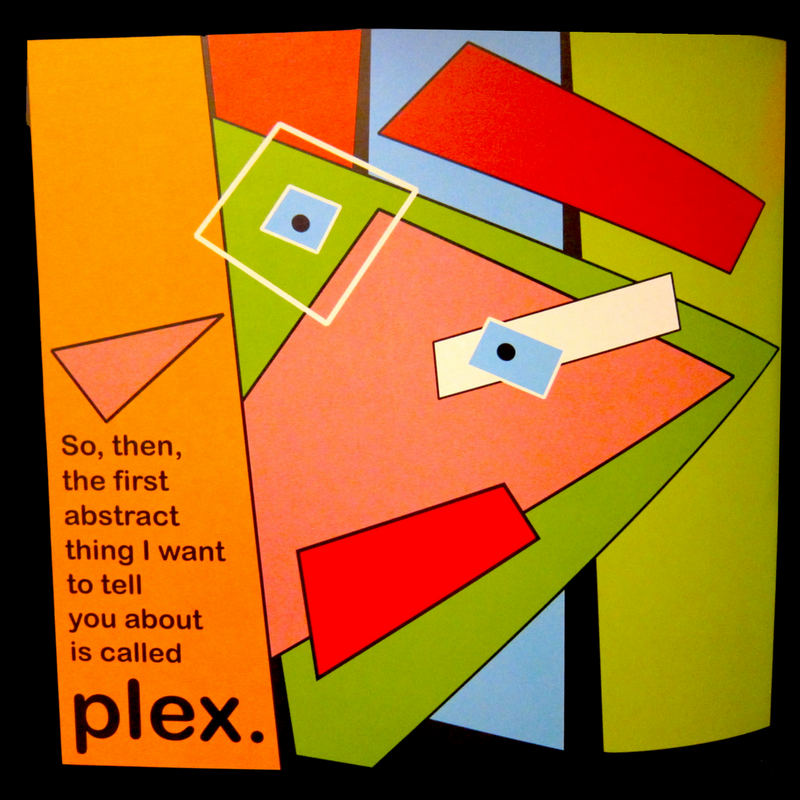
Illustration from Really Big Numbers by Richard Evan Schwartz.
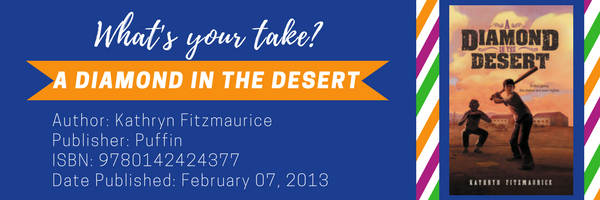
MTYT: A Diamond In the Desert
 This August, Michele Ebersole and Yoo Kyung Sung give their take on “Rethinking conceptual otherness in history: Exploring untold histories in the U.S. and global communities.” They begin the discussion with the book A Diamond in the Desert by Kathryn Fitzmaurice. In the coming weeks, they also consider Bronze and Sunflower by Cao Wenxua, Gaijin: American Prisoner of War by Matt Faulkner and Lion Island: Cuba’s Warrior of Words by Margarita Engle.
WOW Recommends: The Rooster Who would Not be Quiet!
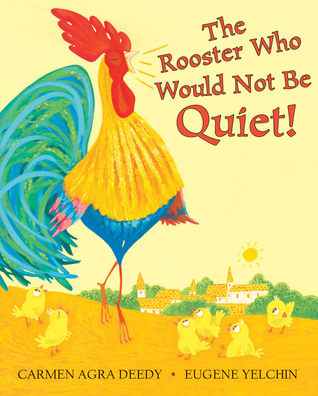
Book of the Month, August 2017
The Rooster Who would Not be Quiet! by Carmen Agra Deedy with illustrations by Eugene Yelchin
This allegoric tale demonstrates the power of resistance when a rooster challenges a unjust law. Even when the mayor chops down the rooster’s favorite tree, imprisons him, separates him from his family, and puts him in the dark, the rooster will not obey. The lively illustrations and text combine to demonstrate how injustice can be overcome. Don’t miss the essential Afterward. -Recommended by Marilyn Carpenter
Continue reading
Booklist Focused on Poverty and Hunger
By Deborah Dimmett, The University of Arizona
I discuss issues concerning poverty and hunger in the last WOW Currents post and include a request for readers to share titles of picture and chapter books in children’s literature that explore these issues. Upon my recent return from Haiti, I further explore books that focus on these critical global problems.
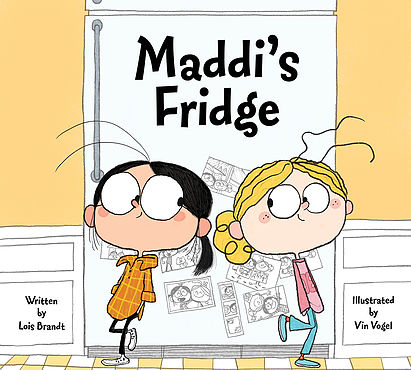
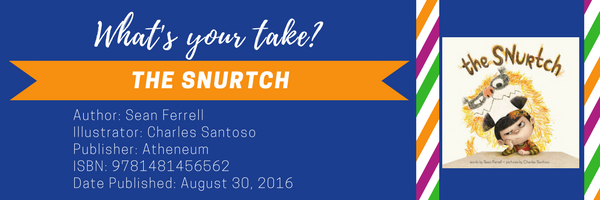
MTYT: The Snurtch
We continue our conversation about the portrayal of emotional and behavioral disabilities in picturebooks, specifically characters who wrestle with childhood depression, anxiety, and outbursts. In the first three weeks, we looked at The Red Tree, Virginia Wolf, and Jack’s Worry. This week Maria and Megan take on The Snurtch by Sean Ferrell and Charles Santoso.