By Charlene Klassen Endrizzi, Westminster College (retired), Rebecca Ballenger, Worlds of Words, University of Arizona, Tucson and Aika Adamson, Worlds of Words, University of Arizona, Tucson
Voters’ rights vary around the world, with some countries granting universal suffrage while others restrict voting based on criteria such as age, citizenship or criminal record. In the U.S., voters’ rights have been marked by obstacles like poll taxes, literacy tests and intimidation at the polls, which aimed to disenfranchise people based on race, economic status or gender. The books included in this WOW Dozen portray pivotal moments (historical and fictional) when communities fought for their voices to be heard in the democratic process. These narratives educate about past injustices and inspire young readers to become informed, engaged citizens who advocate for equality and fairness in voting rights. Continue reading

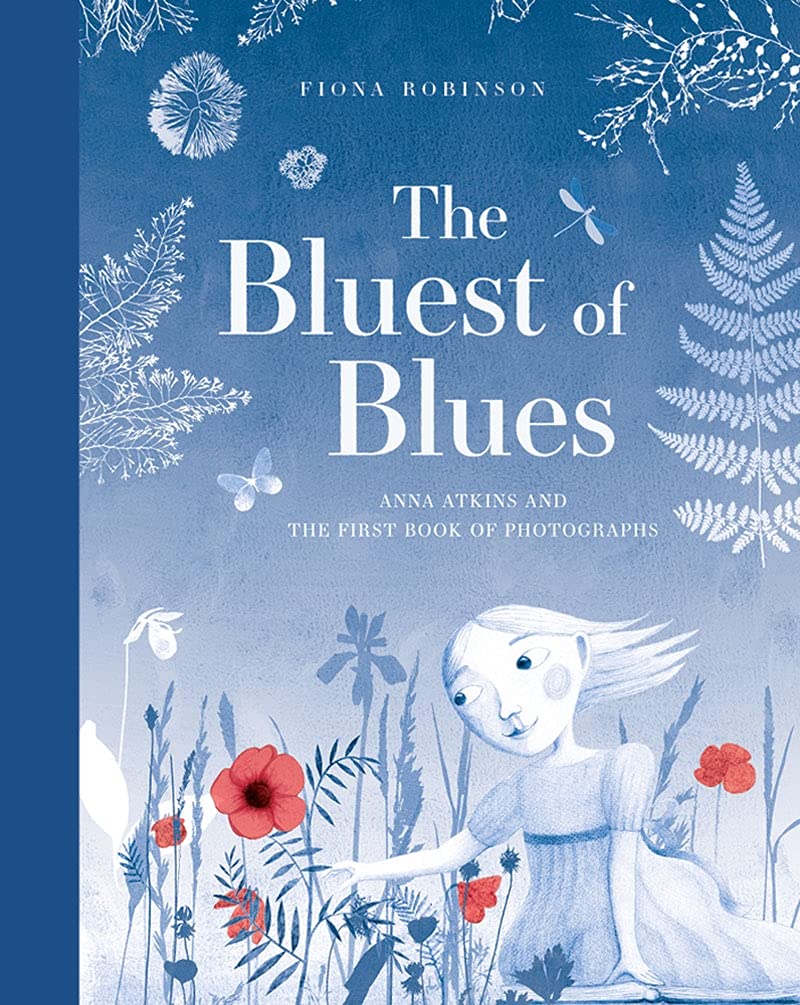 Like many artistic practices, photography is often used as a form of activism. The photographic image can help bring hidden or shadowed issues and realities into the public eye, illuminating the world as a way to create change. An excellent way to unlock photographic history and activism for children in accessible and engaging ways is through biographical picturebooks of notable photographers. These stories provide context for how photography became so ubiquitous and essential around the globe, as well as how it has and can be used as a tool for social change, perhaps inspiring young readers to do the same. Although there are a number of excellent examples, for this post I will look closely at picturebook biographies of three artists who used the photographic medium for expression and activism: Anna Atkins of England, Jacob Riis of Denmark and the United States, and Gordon Parks of the United States.
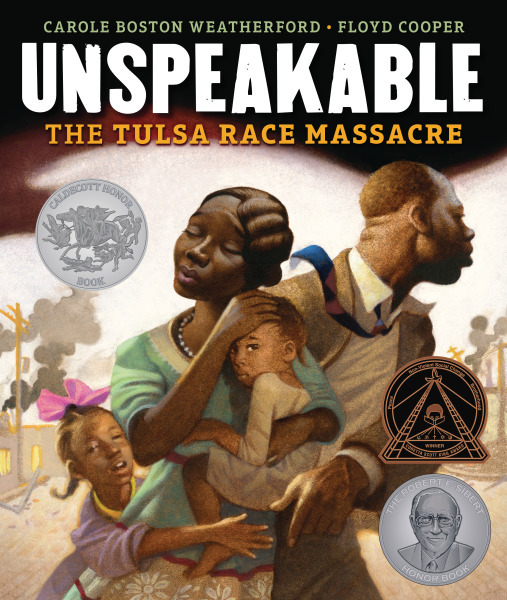 Unspeakable: The Tulsa Race Massacre chronicles the murderous hostility, humiliation and hope of this largely suppressed historical event in United States. The devastation occurred in 1921 when a white mob attacked the Black community in Tulsa, Oklahoma. This third person informational text narrates the incidents that occurred in one of the worst racially violent cases in U.S. Tulsa, during this time, was a prosperous segregated town, where descendants of “Black Indians, from formerly enslaved people, and from Exodusters” thrived in their Greenwood community, once known as Black Wallstreet. “Once upon a time” near Tulsa, is a phrase that is eloquently repeated to depict the prosperity that the people in the Greenwood community created. Then one day, the massacre stemmed from one elevator ride where a 17-year-old white elevator operator accused a 19-year old Black shoeshine man of “assault for simmering hatred to boil over.” This incident resulted in 300 Black people who died, and more than 8,000 left homeless, “…hundreds of businesses were reduced to ash.” It took over 75 years to launch an investigation, which uncovered that “police and city officials had plotted with the angry white mob to destroy the nation’s wealthiest Black community.”