

By Yoo Kyung Sung, University of New Mexico, and Junko Sakoi, Tucson Unified School District
Asian American history and voices have long been rendered invisible in children’s and young adult literature, and nonfiction texts are no exception. This list brings together a range of nonfiction titles—including picturebooks, chapter books, informational texts and biographies—that offer renewed visibility for Asians and Asian Americans. These works foreground intersectional stories that challenge historical erasure and deepen collective memory. From the artistry of George Nakashima, Ruth Asawa and I. M. Pei to the athletic trailblazing of Wataru Misaka and the mountaineering achievements of Junko Tabei, these books highlight individuals whose creativity, resilience and courage reshaped their fields and expand how young readers understand the diverse contributions of Asian and Asian American communities. Continue reading

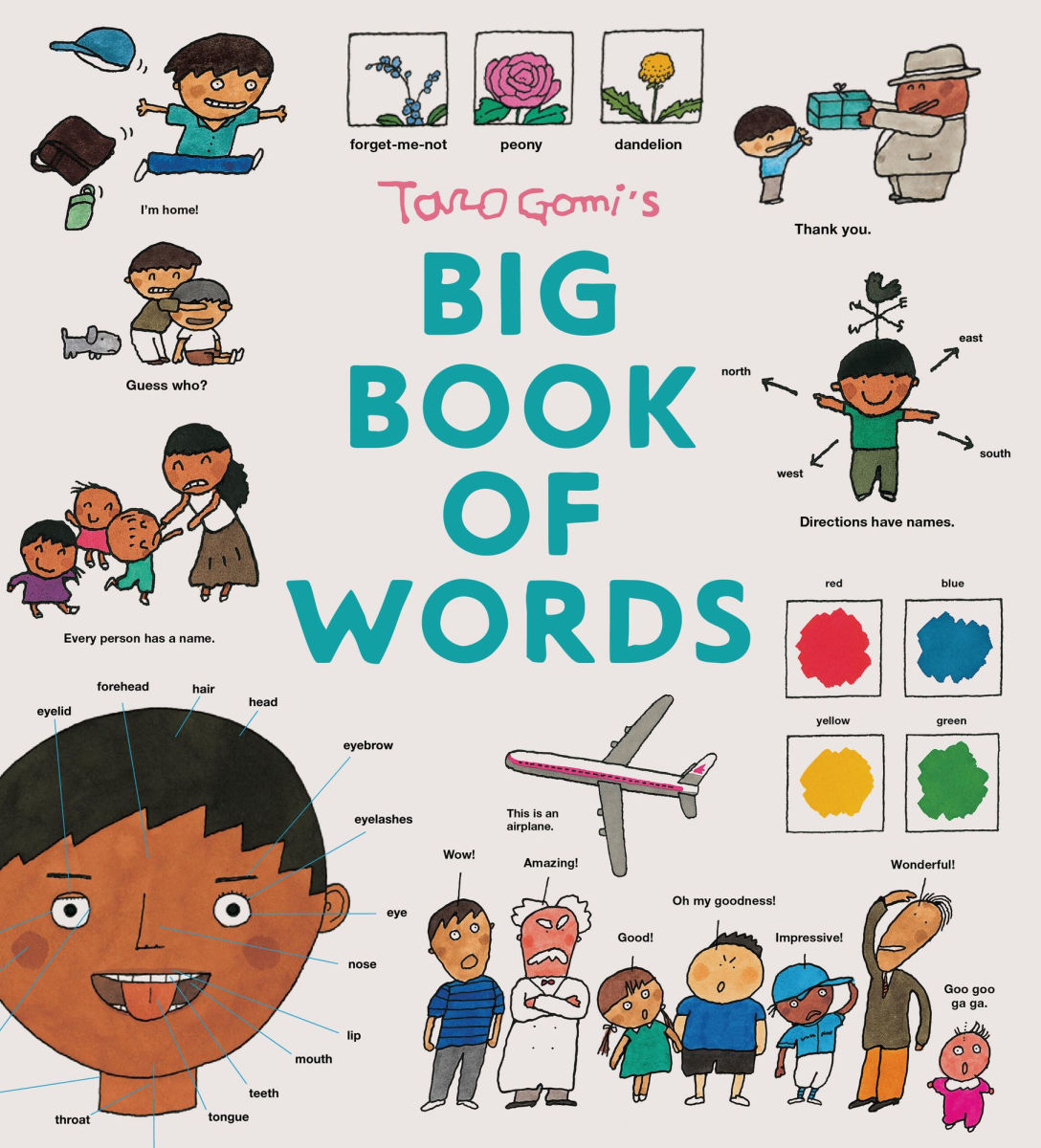

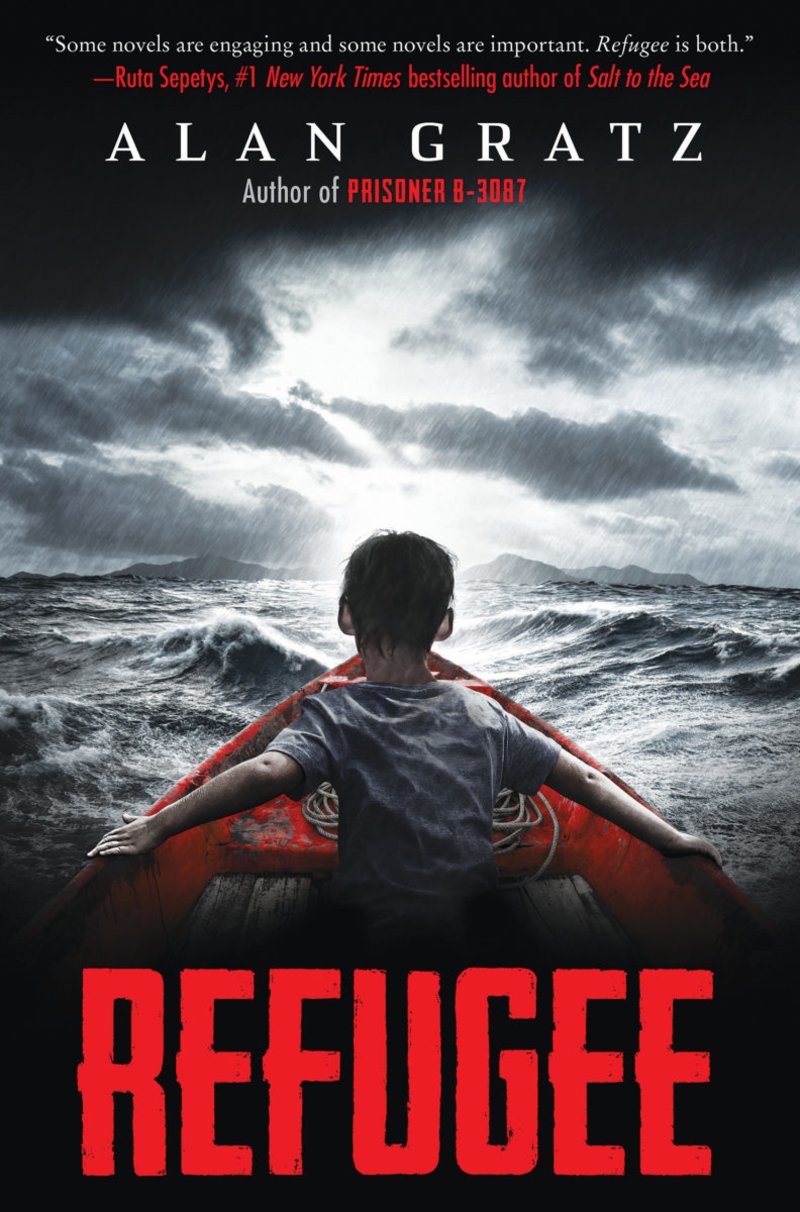

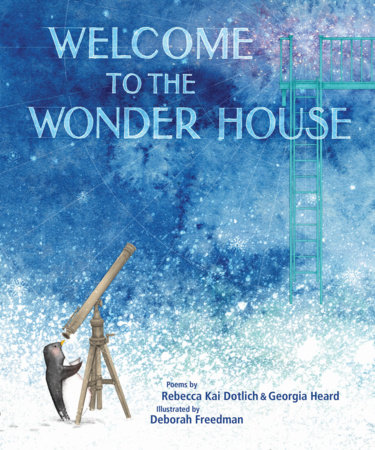
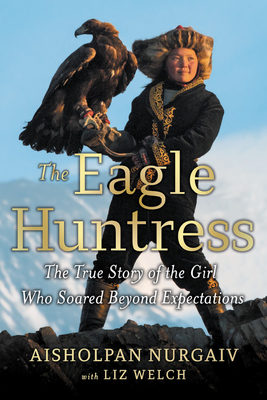
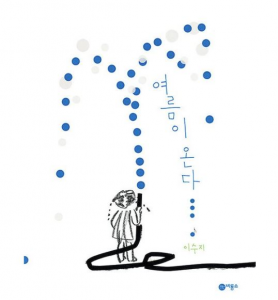 In recent years, increasing numbers of translated and non-translated Korean children’s literature are available to Japanese readers. Yes, Japanese readers read and consume Hangul (written Korean) directly beyond literature experiences (e.g., language learning). We’ve found several major Japanese publishing companies, JBBY (Japanese Board on Books for Young People), bookstores, and public and school libraries feature books by Korean authors and illustrators through social media and physical spaces. Three beloved Korean authors who also illustrate their work influenced Korean picturebooks’ reputations in Japan positively beyond what Japanese audiences are familiar with over the years (i.e., postcolonial texts). In this post, we share three Korean authors, Heena Baek, Suzy Lee and Heeyoung Ko who are among those gaining great popularity in Japan.
 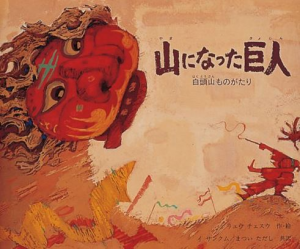 This month, Junko and I explore Korean picturebooks translated and published in Japan to analyze colonization patterns in Korea. In 1910, Korea was annexed by the Empire of Japan after years of war, intimidation and political machinations;