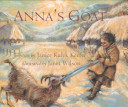
A moving statement about the refugee experience, told from a child’s unique point of view.

Material appropriate for primary age groups
A moving statement about the refugee experience, told from a child’s unique point of view.
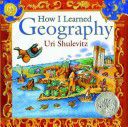
A 2009 Caldecott Honor Book. Having fled from war in their troubled homeland, a boy and his family are living in poverty in a strange country. Food is scarce, so when the boy’s father brings home a map instead of bread for supper, at first the boy is furious. But when the map is hung on the wall, it floods their cheerless room with color. As the boy studies its every detail, he is transported to exotic places without ever leaving the room, and he eventually comes to realize that the map feeds him in a way that bread never could. Based on the artist’s childhood memories of World War II.
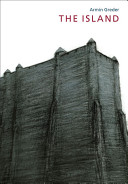
Poignant and chilling, this allegory is an astonishing, powerful, and timely story about refugees, xenophobia, racism, multiculturalism, social politics, and human rights. When the people of an island find a man sitting on their shore, they immediately reject him because he is different. Fearful to the point of delusional paranoia, the islanders lock him in a goat pen, refuse him work, and feed him scraps they would normally feed a pig. As their fears progress into hatred, they force him into the sea.
See the review at WOW Review, Volume 4, Issue 2
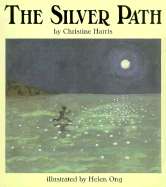
This tale tells of a young refugee and his mother through his letters to an English penfriend. Niko and Penny are pen pals on opposite sides of the world, but their lives are separated by more than distance. Penny lives in a peaceful world. Niko lives in a world racked by war. This moving and thought-provoking story conveys Niko’s unwavering hope for a better life and is told in simple words and pictures.
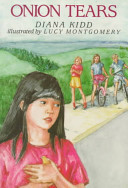
A little Vietnamese girl tries to come to terms with her grief over the loss of her family and her new life with the Australian family with whom she lives.
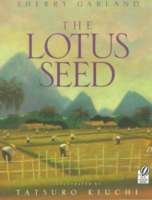
When she is forced to leave Vietnam, a young girl brings a lotus seed with her to America in remembrance of her homeland. “Exquisite artwork fuses with a compelling narrative–a concise endnote places the story effectively within a historical context–to produce a moving and polished offering.”–Publishers Weekly
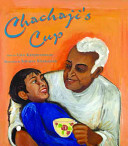
A boy learns about his family history and the Partition of India from his great uncle, through stories told over a beloved old teacup.
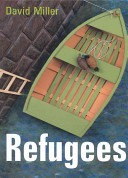
A small green swamp just past the edge of town is home to two wild blue-billed ducks. But one day huge, rumbling, grumbling machines crawled, scraping and gouging towards the swamp and out poured the swamp’s precious water. Refugees tells the story of the duck’s misadventures in trying to find a new place to live.
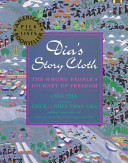
The story cloth made for her by her aunt and uncle chronicles the life of the author and her family in their native Laos and their eventual emigration to the United States.
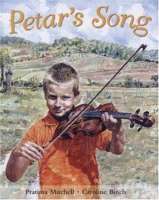
Petar has a happy and loving family, but they are forced to evacuate and leave his father behind during a war, and only the thought of peace can bring back his love of music and inspire him to play the violin again.