By Seemi Aziz, University of Arizona
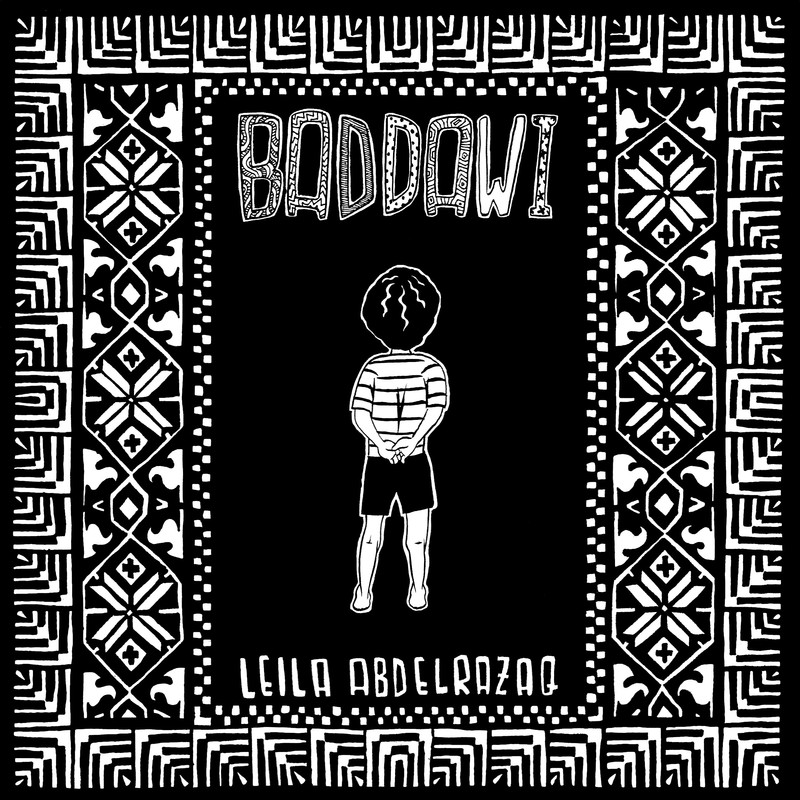 Baddawi by Leila Abdelrazaq follows Ahmad, a struggling young boy raised in a refugee camp called “Baddawi” in North Lebanon. He tries to find himself and his identity while growing up in a place he cannot call home. His story represents one of the many thousands of refugee children born in Palestine who fled or were forced to leave their homeland after the war in 1948 and the establishment of the state of Israel.
Continue reading
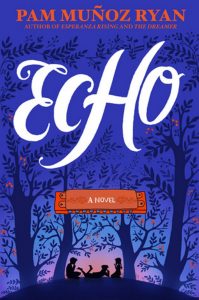 Echo by Pam Muñoz Ryan is a poignant story about the journey of a magical mouth harp (harmonica) through time and space. The masterful enmeshing of timeless fairytale and historical reality binds this powerful text into a strong narrative that highlights world events, prejudice, and social class distinctions. It all begins with Otto, who gets lost in a jungle where three sisters, bound by a witch’s curse, find him. Otto promises to break the curse by taking the harmonica out to the world. The harmonica, through its magical music, tangibly joins three children separated by place, which lifts the curse, freeing the three sisters.
 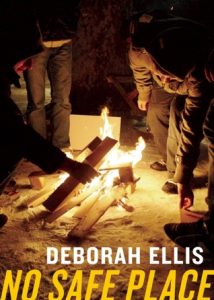 The well-executed plot of No Safe Place by Deborah Ellis follows the journey to freedom of three undocumented immigrant children. While the children struggle to reach the shores of England, a British orphan, released from the bonds of an oppressive uncle, joins them. These children, Abdul from Baghdad, Cheslav from Russia, Jonah from England, and the only female, Rosalia, a Romani, develop throughout the story. Ellis depicts a rich cultural background of the countries with distinct circumstances for each character. This story begins in France and culminates in England, providing a fine description of the traumatic lives many immigrants lead in France.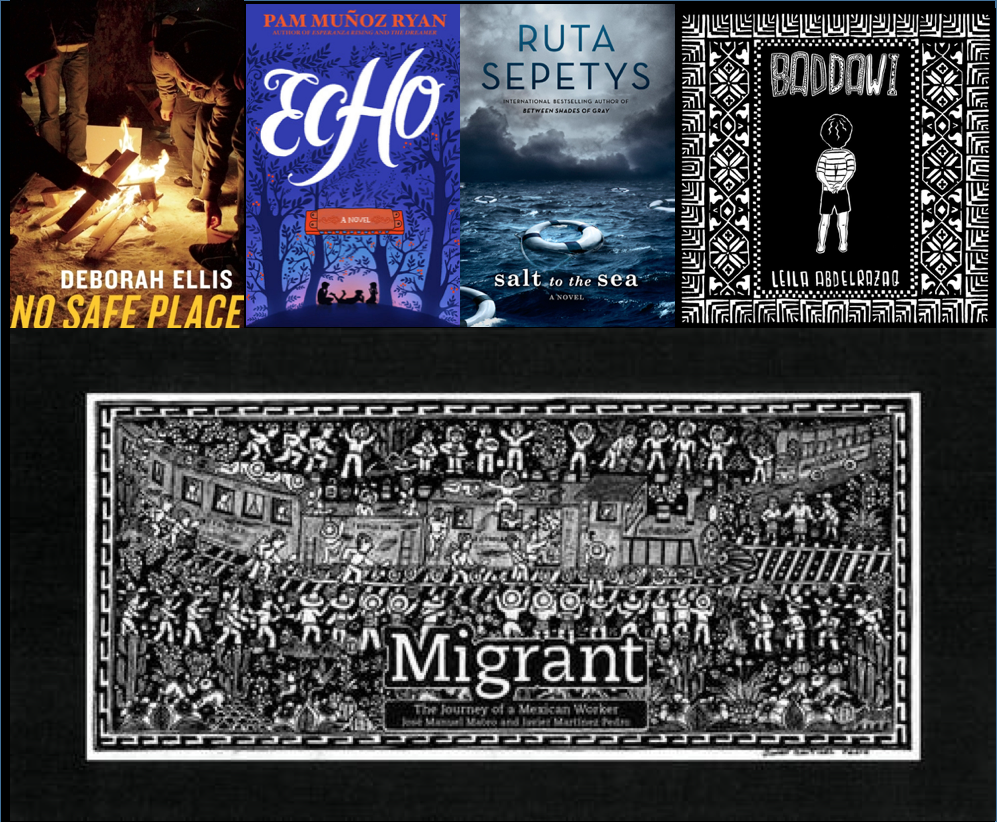
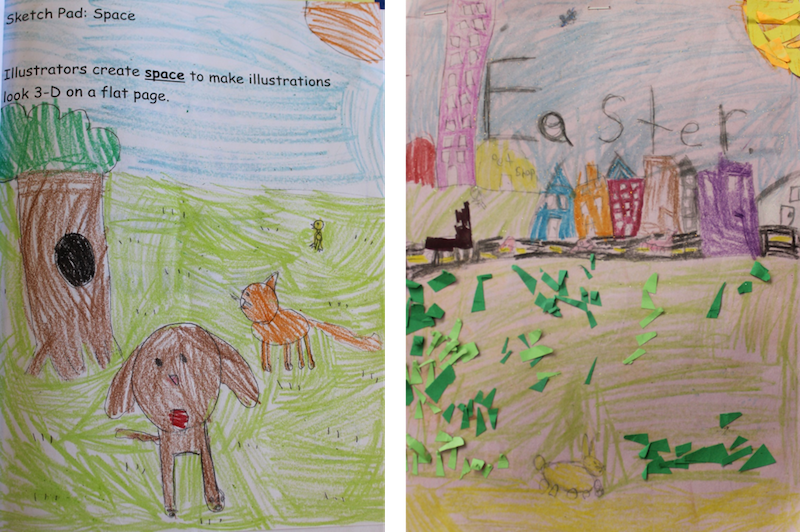
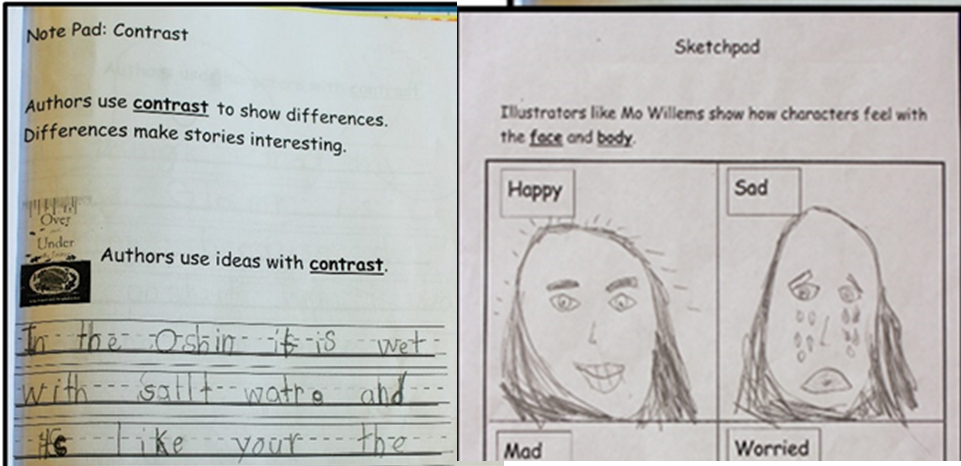
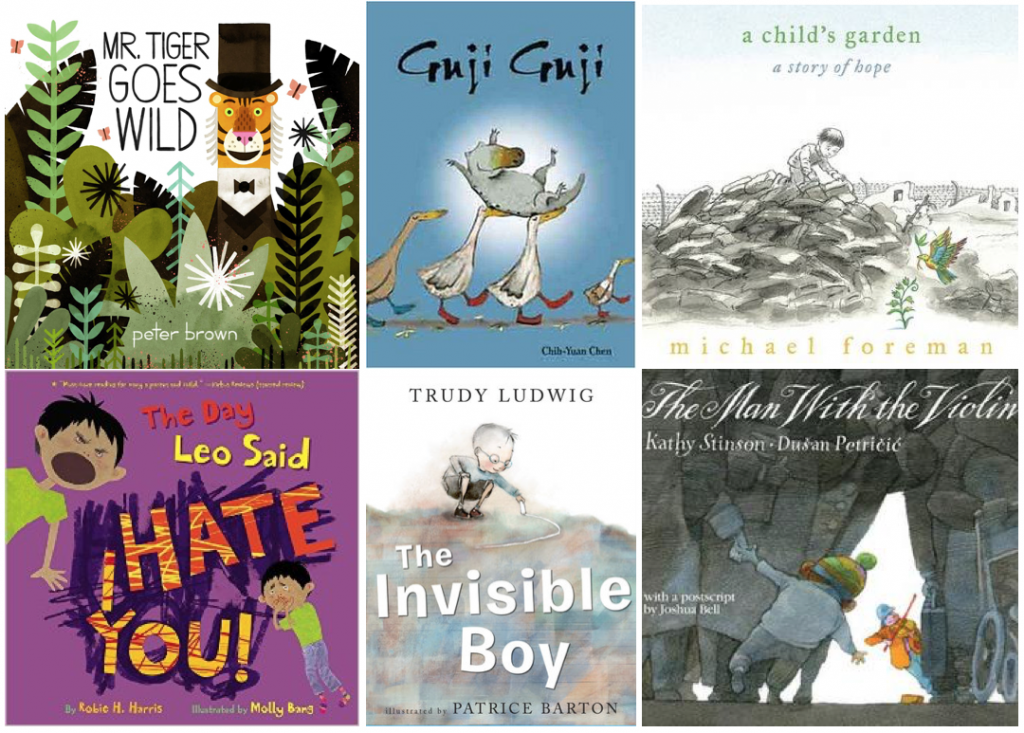
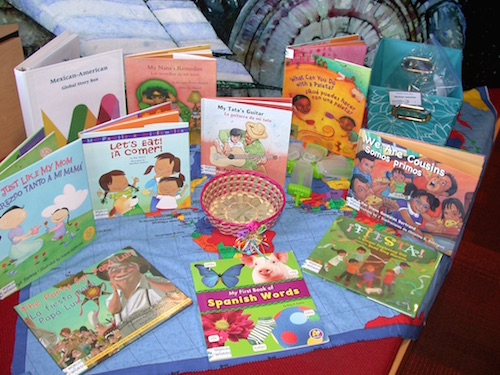 Picturebooks convey stories in both written text and pictorial text (art), with both texts being essential to telling the story (Kiefer, 1995; Sipe, 1998). The art has meanings or perspectives not offered in the written text just as the written text has meanings/perspectives not available in the art. When no written text is present, the story is told only through the art. Typically these books are referred to as wordless books. My co-researcher Ray Martens, an artist and art educator, however, calls them pictorial books to emphasize the importance of the art in telling the story rather than identify these books as lacking words.