By Celeste Trimble, St. Martin’s University, Lacey, WA
Photography is part of the everyday world. Children (and adults, of course) are constant consumers of this medium in personal, social, political, economic and artistic realms. Indeed, practically every aspect of our lives is saturated by the photographic image. Not only are we consumers of photography, most of us are also producers of digital photographs. What began as an art form limited to scientists with specialized chemicals and equipment is now as quotidian as breakfast.
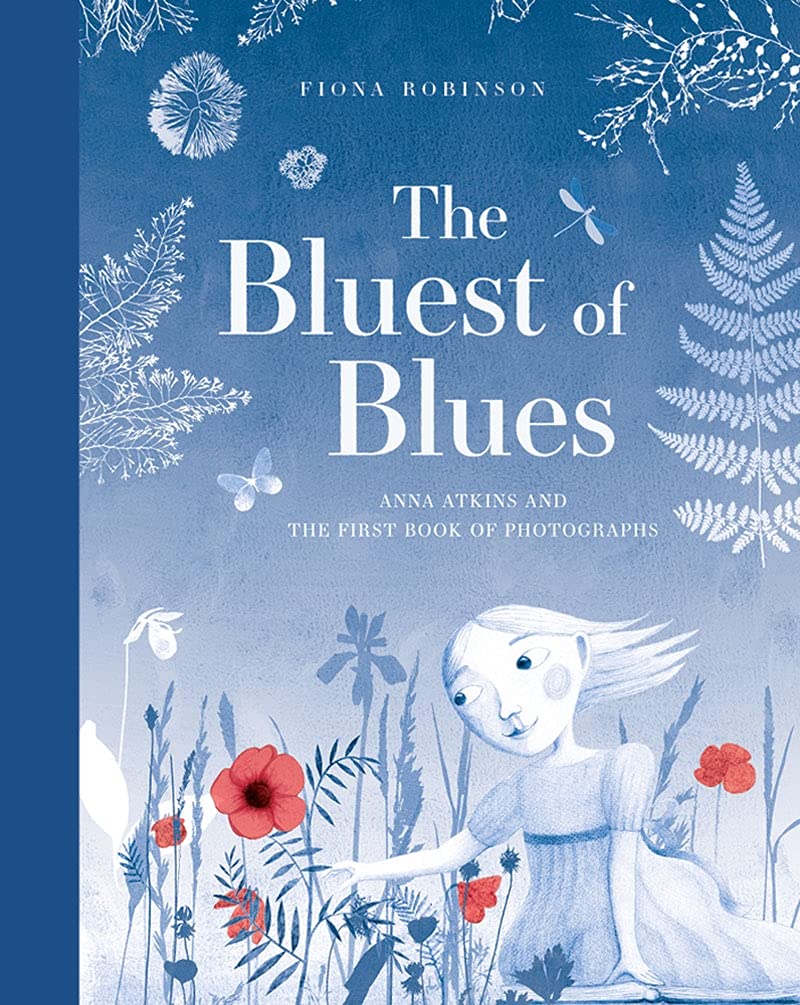 Like many artistic practices, photography is often used as a form of activism. The photographic image can help bring hidden or shadowed issues and realities into the public eye, illuminating the world as a way to create change. An excellent way to unlock photographic history and activism for children in accessible and engaging ways is through biographical picturebooks of notable photographers. These stories provide context for how photography became so ubiquitous and essential around the globe, as well as how it has and can be used as a tool for social change, perhaps inspiring young readers to do the same. Although there are a number of excellent examples, for this post I will look closely at picturebook biographies of three artists who used the photographic medium for expression and activism: Anna Atkins of England, Jacob Riis of Denmark and the United States, and Gordon Parks of the United States. Continue reading

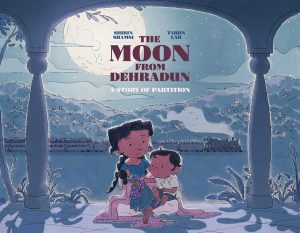 The story in The Moon from Dehradun is based on the history of the 1947 partition that created the individual countries of India and Pakistan. Prior to the partition the region had been a colony of Britain from 1858 to 1947. At the end of their rule the British divided the country according to the majority religions. Muslims must live in Pakistan and Hindus in India.