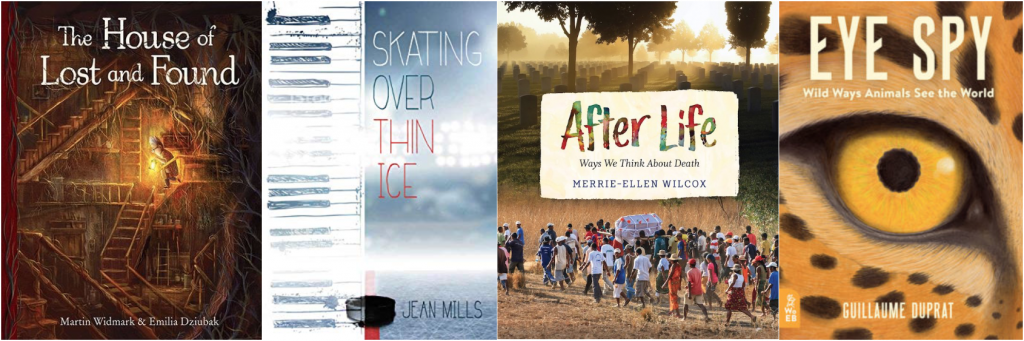
By Susan Corapi, Trinity International University, Deerfield, IL
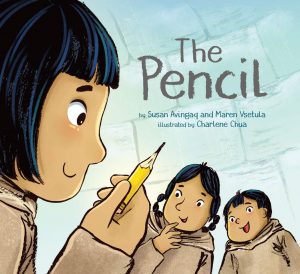 The world economic crisis due to COVID-19 has left many unemployed. Newscasts report on long lines of people waiting to enter food banks or receive relief supplies. Then they report on the latest bankruptcy and use terms that hearken back to the Great Depression. Most of us know someone who has suffered from the economic downturn, which, in turn, creates anxiety in the rest of us.
During the spring semester, my university students struggled to keep up with a full load of classes through Zoom meetings, all the while helping their families out. Students’ families had small businesses that were floundering and other students had parents who had lost jobs, so all were working small jobs wherever possible. During weekly check-ins, I invited students to talk about some of the anxiety they felt as families cut back so they could maximize funds. So, this week we look at narratives of people who are lacking basic necessities. Continue reading
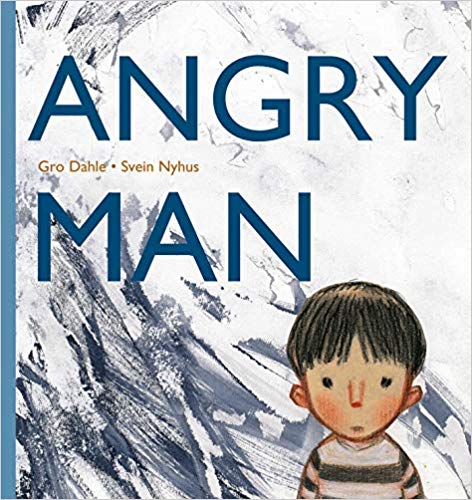 This past week, I was at my local grocery store, masked and intent on finding the items on my list. As I swung around the corner with my buggy (obeying the one way directional arrows on the floor), a young man walked toward me, clearly not obeying the directional arrows. Furthermore he was not wearing a mask (required in all buildings in the state of Illinois). I was ticked–why did he think he could skip the mask, not follow the arrows telling him where to walk, and endanger my health??? For a moment I debated asking about his required mask, but I quickly dropped the idea and ignored him. My anger was safely bottled up and shared only with people as we discussed behaviors that keep us safe. But that is not the case for many across the country, as people express their anger at racism, the pandemic restrictions and any other big or little thing that has happened (e.g., the sun was too bright; my internet crashed yet again). Understandably, we are reacting to the tension of the difficult past months and an unknown future. As adults, we struggle to remain calm and not overreact. If we ourselves are learning how to express our frustrations in this new time, it points to the necessity of helping kids express and deal with their strong emotions, particularly the focus this week: anger.
  These past few months have given us plenty of big issues to think about with children. The pandemic has impacted daily life in families, communities, the economy and what the future looks like. If that is not enough, we are now grappling with overt racism as we hear of prejudice against Asian-Americans and police brutality towards African Americans. Immigration policy and deportations have taken a back seat in the news to race riots. The daily news has created fear and anxiety.


 One of my favorite book characters who exhibits this same multicultural view of herself is Marisol McDonald (