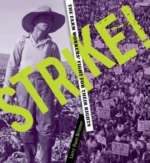
In 1965, as the grapes in California’s Coachella Valley were ready to harvest, migrant Filipino American workers—who picked and readied the crop for shipping—negotiated a wage of $1.40 per hour, the same wage growers had agreed to pay guest workers from Mexico. But when the Filipino grape pickers moved north to Delano, in the Central Valley, and again asked for $1.40 an hour, the growers refused. The ensuing conflict set off one of the longest and most successful strikes in American history.
Information Book
A Gift of Days: The Greatest Words to Live By
Beginning with January 1 and arranged by birth date, a collection of quotations from 366 noteworthy figures.
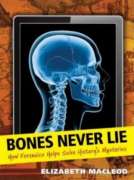
Bones Never Lie: How Forensics Helps Solve History’s Mysteries
The mystery of the young pharaoh’s death is only one of the puzzles that modern science has helped solve. Thanks to forensics — the scientific way of examining physical evidence — we now know what killed Napoleon and whether Anastasia survived the massacre of the Russian royal family.
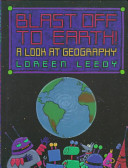
Blast Off To Earth!
A group of aliens on a field trip visit each of the continents on Earth and learn about some of their unique features.
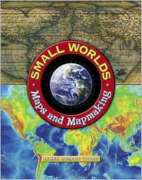
Small Worlds: Maps And Mapmaking
Walking tour maps, brain scans, satellite maps and subway maps show large and small worlds on flat surfaces. Kids learn how maps are put together in layers like sandwiches, how to use a map to get oriented, and the use of hundreds of different maps. They meet mapmakers who personalize the art of cartography.
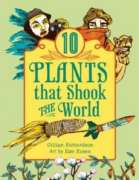
10 Plants that Shook the World
Plants might start out as leafy things growing in the earth, but they can come into our lives in unexpected ways. And believe it or not, some have even played an exciting role in our world’s history.
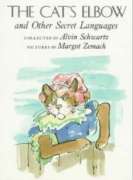
The Cat’s Elbow and Other Secret Languages
Presents instructions for speaking thirteen secret languages, including Pig Latin, one of the best known and easiest codes to learn, and Boontling, developed by people in a California town.
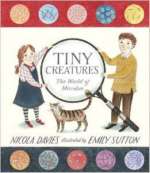
Tiny Creatures: The World of Microbes
All around the world in the sea, in the soil, in the air, and in your body, there are living things so tiny that millions could fit on an ant’s antenna. They’re busy doing all sorts of things, from giving you a cold and making yogurt to eroding mountains and helping to make the air we breathe. If you could see them with your eye, you’d find that they all look different, and that they’re really good at changing things into something else and at making many more microbes like themselves!
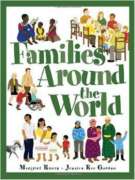
Families Around the World
A successor to the popular Children Around the World written and illustrated by Donata Montanari, this book allows young readers to visit with fourteen children, each from a different country, to learn about their families. Based on real children, each one’s story fills a two-page spread and is told in the first person, beginning with a greeting in the child’s native language.
How To Save A Species
How to Save a Species brings readers as close as they may ever get to some of the most endangered animals and plants on earth. Highlighting the efforts of scientists, communities, and campaign groups, it includes the astonishing success stories of species that have been saved from the edge of extinction, as well as urgent cases in need of immediate action.