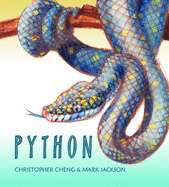
Python

Python stirs and slithers out from her shelter, smelling the air with her forked tongue. It’s time to molt her dull scales and reveal the glistening snake underneath. Gliding along a tree, she stops and watches very, very closely as a bird drops onto a branch — and escapes the razor-sharp teeth just in time. But Python is hungry, so she slides on to stalk new prey. Combining informative facts, expressive illustrations, and a lyrical, mesmerizing narrative, here is a book to captivate anyone fascinated by this iconic creature.

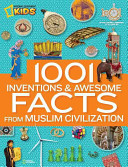
1001 Inventions and Awesome Facts from Muslim Civilization

Traces centuries of invention and technological innovation in the Muslim world, revealing how Muslim intellectuals built elephant water clocks, drew detailed world maps, and built colossal architectural structures.

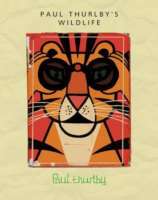
Paul Thurlby’s Wildlife

Did you know that crocodiles cry while they eat? Or that polar bears turn green if they stay hot for too long? Or that bees do a dance to speak to one another? See wildlife as you’ve never seen it before with Paul Thurlby’s menagerie of curious animals. With unique and humorous artwork that’s so stylish you’ll want to remove it from the book and hang it on your wall, Paul Thurlby brings to life twenty-three animals in a way that will appeal to readers of all ages.

Shannen and the Dream for a School

Presents the true story of Shannen Koostachin and the people of Attawapiskat, a Cree community just below the Arctic Circle, who have been fighting for a new school since 1979, when a fuel spill contaminated their original school building.

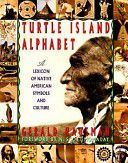
Turtle Island Alphabet

Gerald Hausman has spent more than 20 years studying, collecting, and narrating Native American stories. In a collection of symbols and images central to Native American culture, he offers a lyrical, poetic work which reaffirms the view that Native Americans once held of the land. Illustrations.

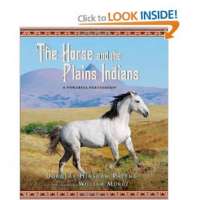
The Horse And The Plains Indians

The image of a Native American on horseback has become ingrained in the American consciousness. But the Plains Indians and the horse were not always inseparable. Once, Native Americans used dogs to help carry their goods, and even after the Spaniards introduced the horse to the Americas, horses were considered so valuable that the Spanish would not allow the Indians to have them. But soon horses escaped from Spanish settlements, and Native Americans quickly learned how valuable the horse could be as a hunting mount, beast of burden, and military steed. Follow the story of this transformative partnership, starting in the early sixteenth century and continuing today.

The Navajo

Presents a brief introduction to the Navajo Indians including information on their society, homes, food, clothing, crafts, and life today.