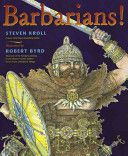
The ancient Romans used the word barbarian to describe people who were coarse, rude, or even just foreign. Over time the word has also come to connote bloodthirsty cruelty. But were the Goths, the Huns, the Vikings, and the Mongols as barbaric as we’ve been led to believe? In dynamic, detailed spreads that young readers will pore over, this book explores how these nomadic warriors lived, worshipped, and celebrated. Their wandering armies brought together Europe and Asia through trade and conquest and, in doing so, changed the world forever.
International
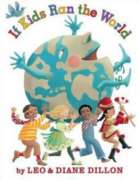
If Kids Ran the World
All roads lead to kindness in this warm, uplifting celebration of generosity and love. In a colorful tree house, a rainbow of children determine the most important needs in our complex world, and following spreads present boys and girls happily helping others. Kids bring abundant food to the hungry; medicine and cheer to the sick; safe housing, education, and religious tolerance to all; and our planet is treated with care. Forgiveness and generosity are seen as essential, because kids know how to share, and they understand the power of love.
If
Some things are so huge or so old that it’s hard to wrap your mind around them. But what if we took these big, hard-to-imagine objects and events and compared them to things we can see, feel and touch? Instantly, we’d see our world in a whole new way. So begins this endlessly intriguing guide to better understanding all those really big ideas and numbers children come across on a regular basis.
Shattered
As bullets ring and bombs are dropped, children watch—mostly from the sidelines, but occasionally in the direct line of fire. Unaware of the political issues or power struggles behind the battle, all they know are the human, emotional consequences of this thing called war. This collection examines all of war’s implications for young people—from those caught in the line of fire to the children of the veterans of wars long past.Critically acclaimed author Jennifer Armstrong brings together 12 powerful voices in young people’s literature to explore the realities of war from a child’s perspective. The settings vary widely—the Soviet invasion of Afghanistan, an attempted coup in Venezuela, the American Civil War, crisis in the Middle East—but the effects are largely the same. In war, no life is ever left untouched. In war, lives are shattered.
Which Way To The Revolution?: A Book About Maps
Text and maps describe the route traveled by Paul Revere when he warned the colonists of the approach of the British prior to the outbreak of the American Revolution.
Let’s Save The Animals
Bold illustrations, big flaps, and an ingenious die-cut design invite young readers to peek at the lives of endangered animals — and learn how to help.Did you know that a giant panda likes to do somersaults? That a black rhinoceros can run faster than an Olympic sprinter? That a monarch butterfly flies up to eighty miles a day? All of these animals — and many more, from tigers to elephants to polar bears, orangutans to dolphins, penguins to sea turtles — are disappearing, threatened by deforestation, poaching, fishing nets, global warming, and more. After enjoying the book’s eye-catching, dramatic format, kids can follow the simple suggestions offered to help save the animals.
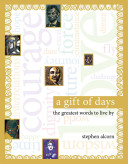
A Gift of Days: The Greatest Words to Live By
Beginning with January 1 and arranged by birth date, a collection of quotations from 366 noteworthy figures.
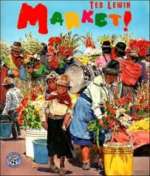
Market!
Lewin takes readers on a whirlwind trip around the globe to marvel at the range of goods available for sale in the world’s markets. Woolen sweaters and ponchos in Ecuador; wood carvings, flutes, garlic and ginger in Nepal; Irish horses; Ugandan cows, bananas, and limes; fish in New York City; and dates, pottery and donkeys in Morocco are just a few of the products depicted in the watercolor paintings.
Blast Off To Earth!
A group of aliens on a field trip visit each of the continents on Earth and learn about some of their unique features.
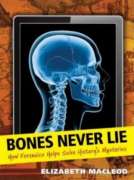
Bones Never Lie: How Forensics Helps Solve History’s Mysteries
The mystery of the young pharaoh’s death is only one of the puzzles that modern science has helped solve. Thanks to forensics — the scientific way of examining physical evidence — we now know what killed Napoleon and whether Anastasia survived the massacre of the Russian royal family.