By Deanna Day, Washington State University, WA, and Barbara A. Ward, University of New Orleans, LA
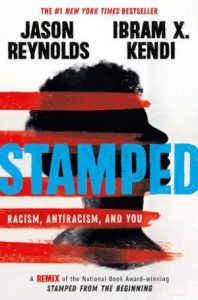 In this column we continue to explore recent trends in censorship and book banning by highlighting how authors feel about their books being challenged. Additionally, we offer some ideas for classroom teachers interested in supporting children’s rights to read by teaching about censorship and book banning.
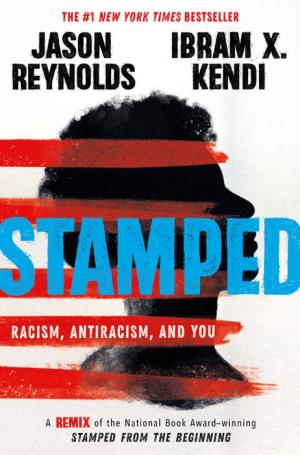
It isn’t just teachers, librarians, and school board members who are put into the position of defending certain books. The recent attacks on books featuring certain types of stories have even had a chilling effect on the publishing industry, with some publishing houses shying away from topics that might be deemed controversial. Many authors of children’s and young adult books are finding themselves on the defensive because their books have drawn negative attention from parents and community members. Author Jason Reynolds, who has written a number of books that have been challenged such as Stamped: Racism, Antiracism and You (2020), a remix of the adult title Stamped from the Beginning: The Definitive History of Racist Ideas in America (2016) by Ibram X. Kendi and All American Boys (2015), cowritten with Brendan Kiely, emphasizes that limiting access to books limits kids’ curiosity and that banning books sends the message that kids shouldn’t ask questions. “Books don’t brainwash. They represent ideas,” he said. Continue reading →

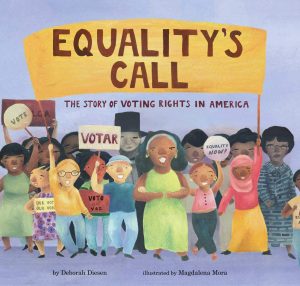 Jane Goodall recently outlined, “Every vote matters, more this year than perhaps any time in history.” As voters from the United States to South Africa, Mexico, India and beyond enter a major election year, Jane urges anyone who will listen to pause and consider each candidate’s record on a single issue–her/his/their efforts to support the health of our Earth. Yet we know U.S. voters will ponder additional issues, ranging from the economy and democracy to immigration, reproductive rights, foreign policy, gun rights, equality and more. Continue reading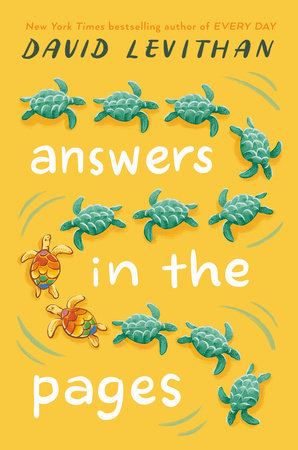
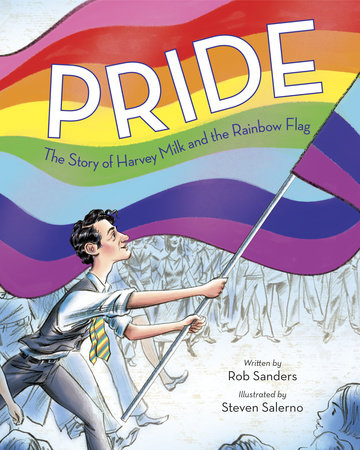
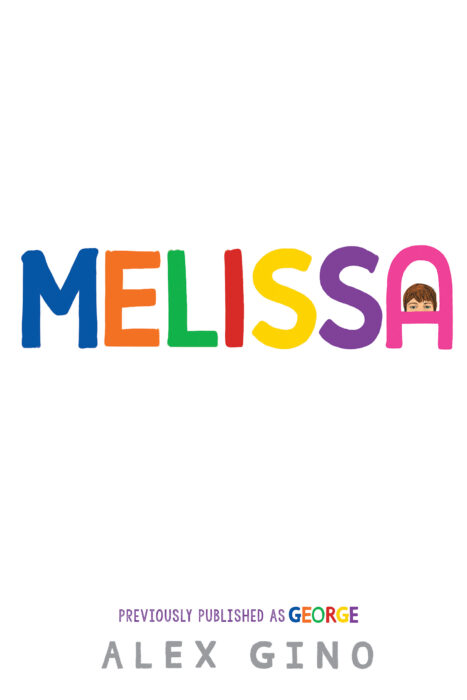
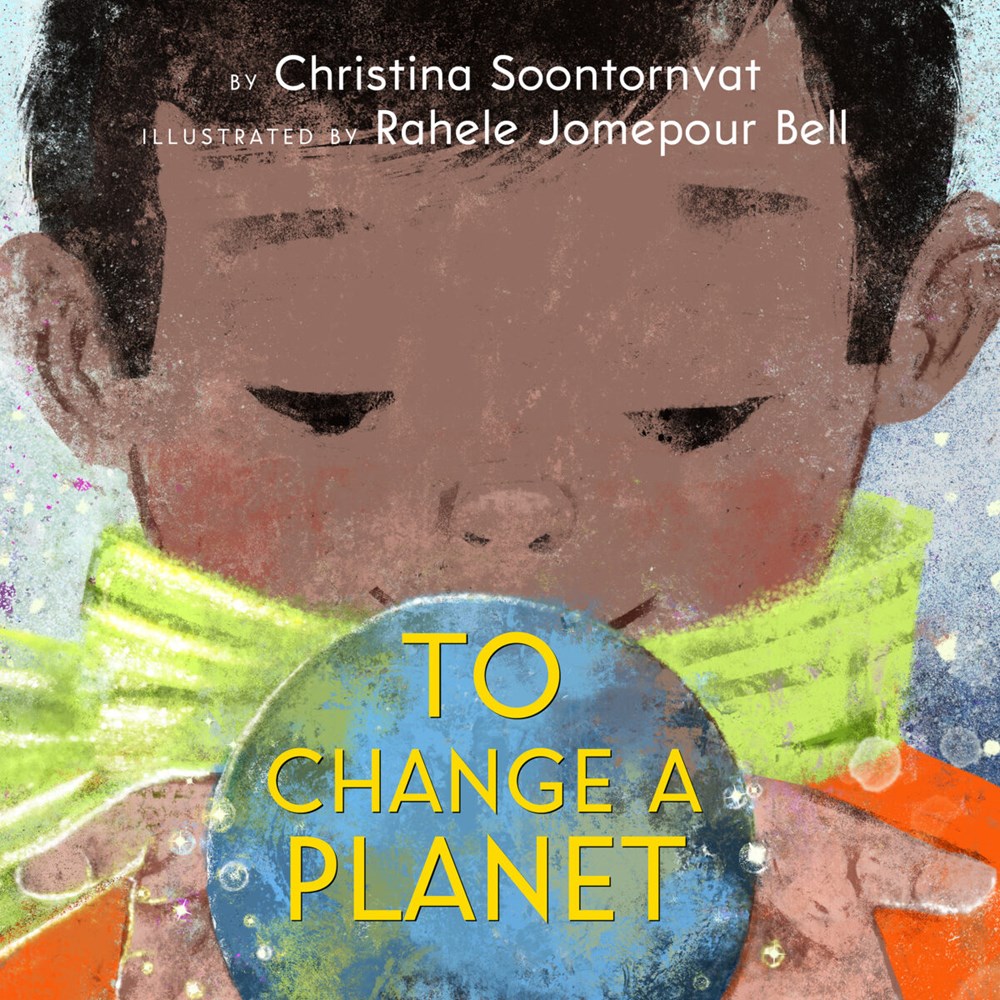
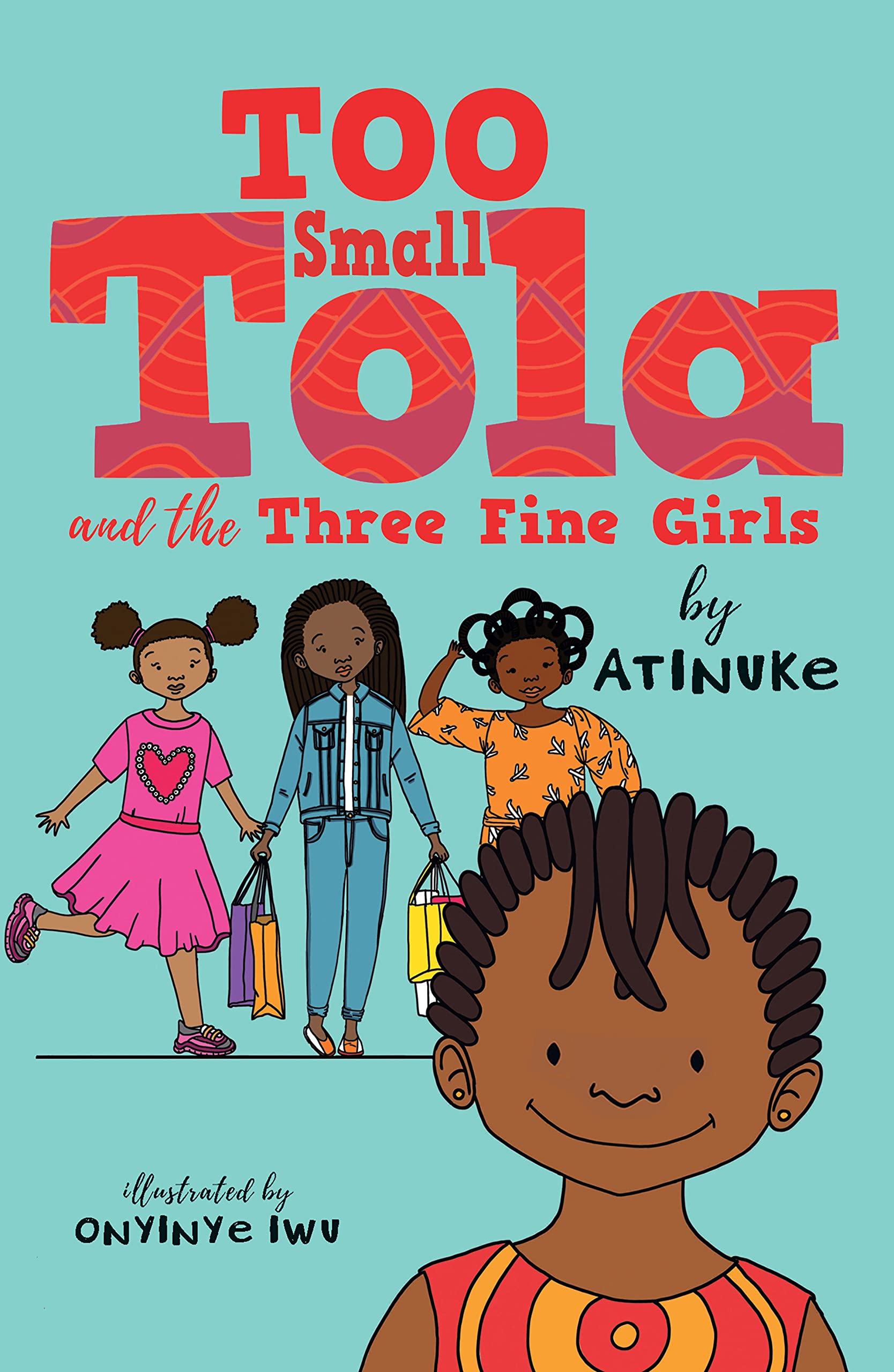
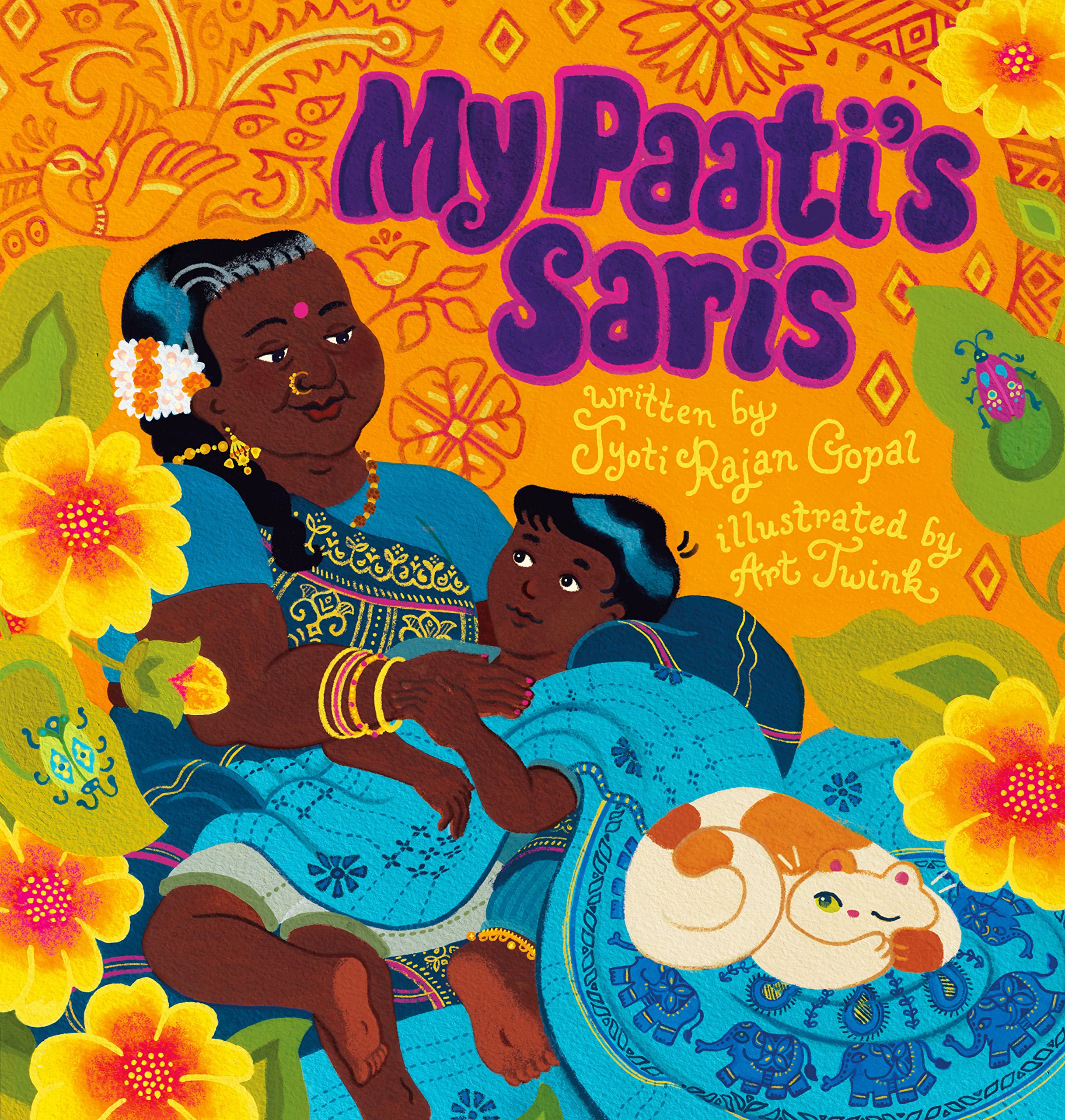
 The environment has become a critical issue for a majority of people around the world. There are a number of ways to address the issue, and one of those ways is through an eco-cosmopolitan perspective. Eco-cosmopolitanism is “an attempt to envision individuals and groups as part of planetary ‘imagined communities’ of both human and nonhuman kinds” (Heise, 2008, p. 61). In children’s literature, we often get the perspective of an animal or insect. From Peter Rabbit (Potter, 1999) to Watership Down (Adams, 2014) to Charlotte’s Web (White, 2012) to more current texts such as Alice’s Farm (Wood, 2020) and
  In recent years, increasing numbers of translated and non-translated Korean children’s literature are available to Japanese readers. Yes, Japanese readers read and consume Hangul (written Korean) directly beyond literature experiences (e.g., language learning). We’ve found several major Japanese publishing companies, JBBY (Japanese Board on Books for Young People), bookstores, and public and school libraries feature books by Korean authors and illustrators through social media and physical spaces. Three beloved Korean authors who also illustrate their work influenced Korean picturebooks’ reputations in Japan positively beyond what Japanese audiences are familiar with over the years (i.e., postcolonial texts). In this post, we share three Korean authors, Heena Baek, Suzy Lee and Heeyoung Ko who are among those gaining great popularity in Japan.