
By Mary L. Fahrenbruck, New Mexico State University, Las Cruces NM
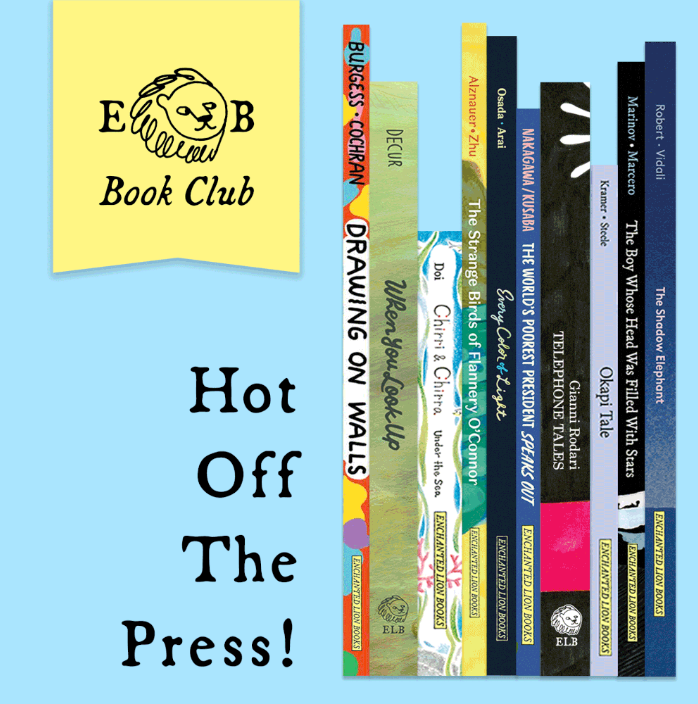
This month WOW Currents features literacy resources that educators and families can bring into their virtual learning spaces. This week WOW Currents focus on The ELB Book Club, and Instagram resources available from Enchanted Lion Books. In a recent interview with Claudia Zoe Bedrick, the publisher, editor and art director of Enchanted Lion Books, I asked her to talk about the resources available to educators and families. Continue reading
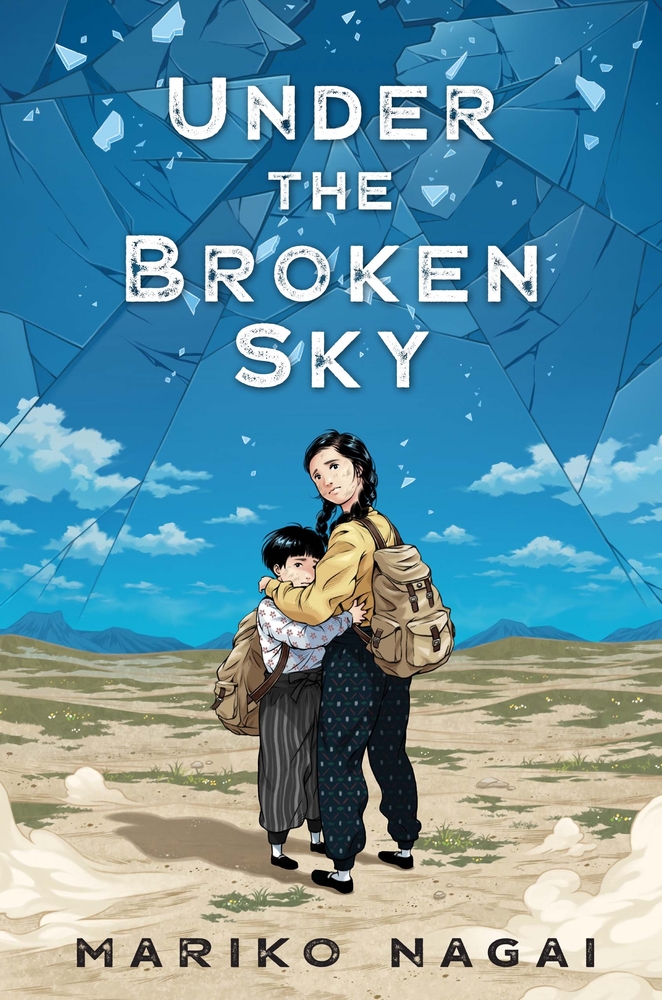 Books about World War II continue to trend in global literature for children and adolescents. The 2020 global reading lists contain many books for middle grade and young adult readers that reflect on-going interest in this time period. The majority are historical fiction and focus on World War II events in Europe, but a new trend is historical fiction that focuses on events in Asia.
 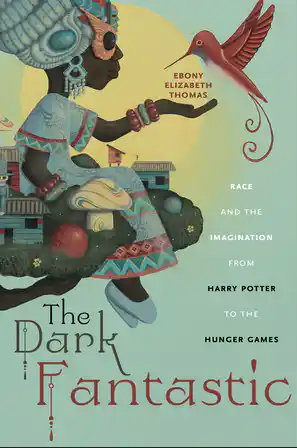 For many years, fantasy primarily originated in English-speaking countries and featured European traditions and White protagonists. The popularity of Harry Potter and the Hunger Games and the many books based in Greek and Roman mythology reflect this trend. In
 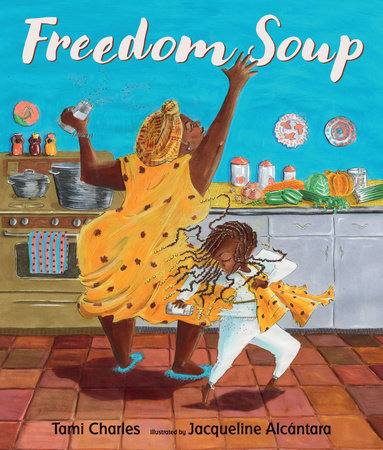 A long-term issue in global literature is the lack of books showing contemporary experiences, leading to misconceptions that other cultures are set back in time in comparison to the U.S. The global novels for middle grade and young adult readers identified on the 2020 Global Reading Lists are primarily historical fiction or fantasy with the exception of refugee books, a continuation of that problematic trend. In contrast, picturebooks for younger readers include many contemporary depictions of everyday life in a range of global cultures, including Nigeria, Kenya, Pakistan, Japan, China, Korea, India, Tibet, Iran, Syria and Indigenous Canada.
 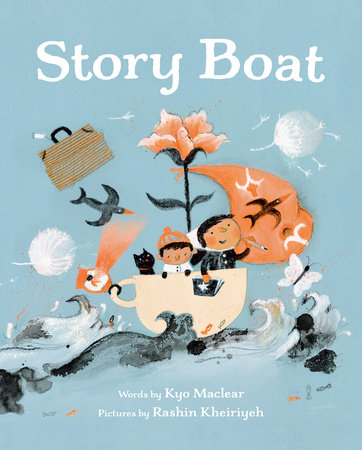 Refugee experiences continue to dominate global children’s and YA literature in books published between June 2019 and 2020. As in previous years, many contain heart-wrenching stories of refugees experiencing displacement due to violence and war and their journeys of hardship and loss. A smaller number focus on life in refugee camps and detention centers, a sense of belonging in a new place, and home as two places in one’s heart.
  This month, WOW Currents highlights the trends in global books published in the U.S. between Summer 2019 and 2020. Each summer, I work on an update for the
  Multiple cities in the U.S. have been racked by civil unrest, whether the protesters are frustrated with racial inequalities, face mask policy or simply tired of the limitations of living in a pandemic. Children cannot miss hearing the strong emotions that are projected in the media or felt by adults as they eavesdrop on conversations. The resulting need is to help them think about these big events and the strong emotions that ensue.