By Rebecca Ballenger, Associate Director, Worlds of Words Center
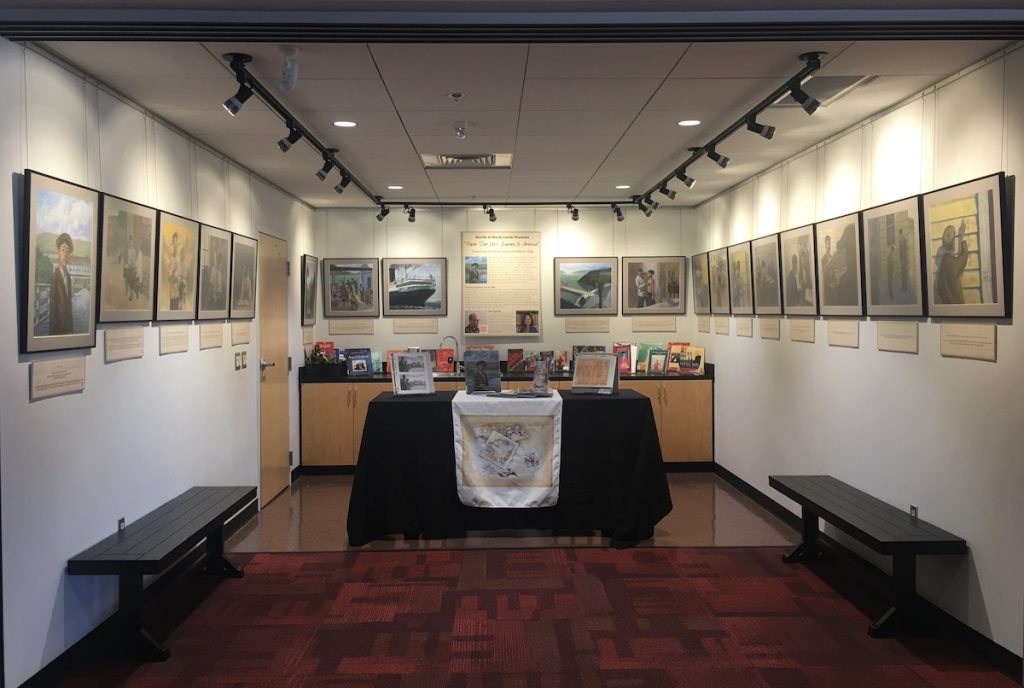
Wilson Ong’s last name was Wong until the fourth grade when his father revealed he used a false name to immigrate to the U.S. as a “paper son.” His father’s story isn’t that different from Lee’s story in the picturebook illustrated by Wilson, Paper Son: Lee’s Journey to America. Each of Wilson’s original oil illustrations for this book were purchased by Mary J. Wong, also the child of a paper son, and donated to the Worlds of Words Center where they are now on exhibit.
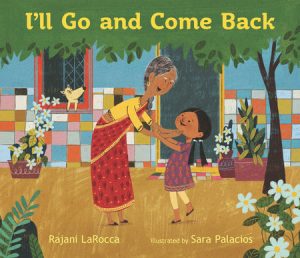 The increasing global mobility and multilingualism of our world are playing out in interesting ways in recent books for children. Some of these books focus on children learning to speak English or on English-speakers struggling to pronounce a child’s name. Still others naturally integrate multiple languages in a translingual book where characters weave additional languages into their dialogue, drawing from the multiple languages they speak and understand. Another trend is an increase in bilingual books with the entire text in two languages.
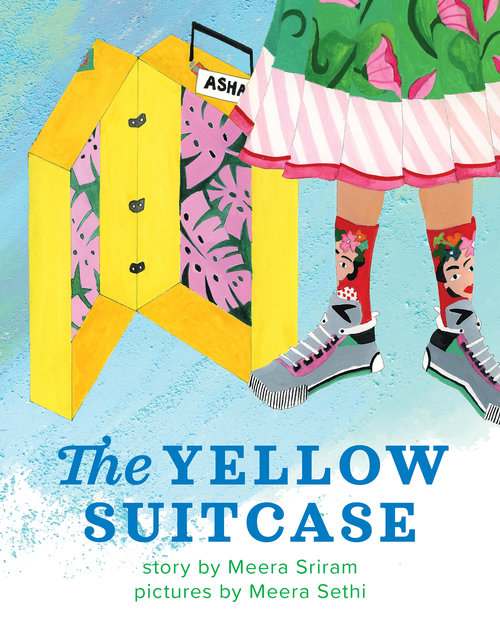 The lack of books depicting contemporary global cultures has been an issue for many years with historical fiction, traditional literature and fantasy dominating the global books published in the U.S. This over-representation of history and traditions often results in stereotypes and misconceptions of these cultures as set back in time or no longer existing in the contemporary world. The recent emergence of picturebooks with contemporary depictions is thus a positive trend in providing books that invite children to make connections between their own culture and global cultures in today’s world.
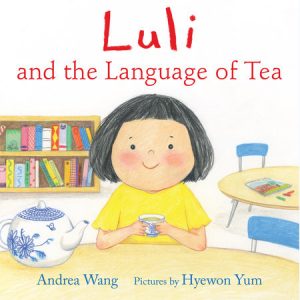 Luli and the Language of Tea opens with Luli coming into a preschool classroom with children from many cultures and countries. Their parents are attending an ESL class next door. The text reads, “The playroom was quiet./ Luli couldn’t speak English./ Neither could the others./ All around the room, children played alone.”
 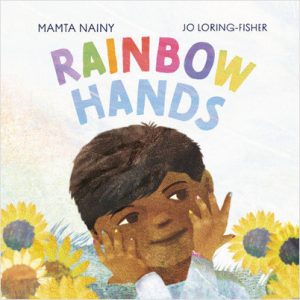 WOW Currents for this month highlights the trends in global books published and/or distributed in the U.S. between Summer 2021 and 2022. Each year, we examine the new books published in that period of time and check out review sources and awards to identify books we believe will be of most interest to K-12 educators for use in their contexts. This process allows us to update the
 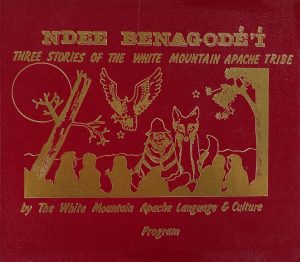 Culturally authentic Indigenous American children’s literature is composed of traditional stories that consist of myths, legends and folktales in the oral storytelling traditions of a given people. This literature also includes contemporary stories and poetry. An affirmation of Indigenous children’s literature is noted by Dr. Debbie Reese (2007, p. 245):
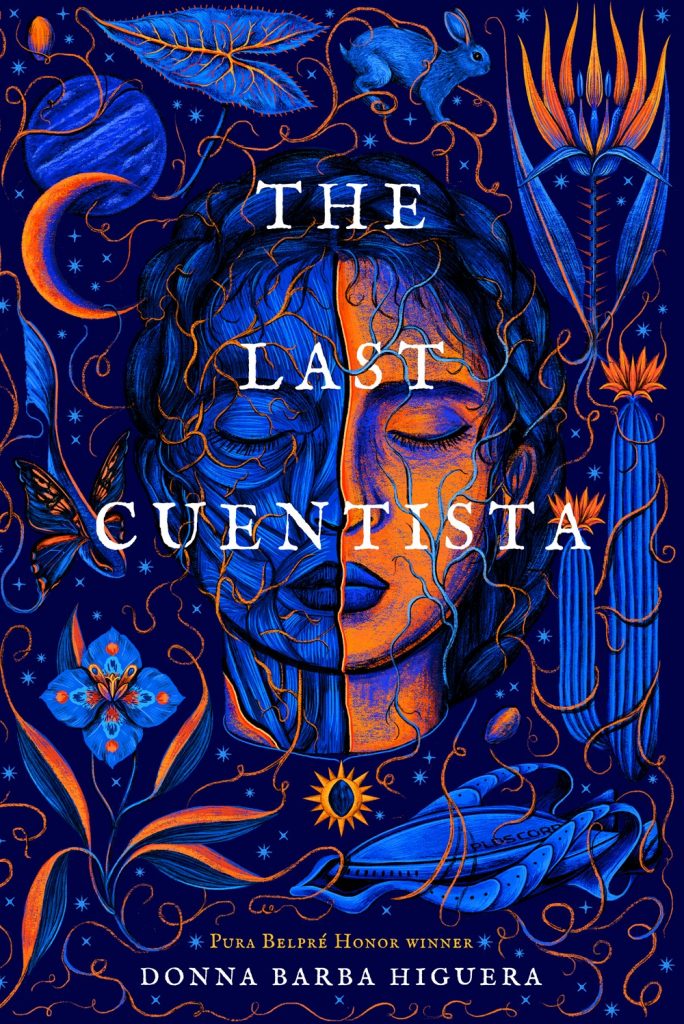 Había una vez there was a hard-working WOW Center Student Library Aide who was tasked with processing books. She did not identify as a reader, and so she could handle large numbers of books without temptation–until The Last Cuentista by Donna Barba Higuera caught her eye. Did her supervisor look the other way as this book trailed the student worker through her assigned duties at the front desk, while training new co-workers and as she prepped for her eventual departure upon graduation? Yes, I did. I did because I also read The Last Cuentista and know how transportive the story is.