The Flute Player

An introduction to Native American folklore – illustrated by the author

Ten Little Rabbits

A counting book that depicts American Indians as rabbits, each one reflecting a different tribe and tribal tradition, e.g Pueblo corn dances or Navajo weaving. The book is problematic in the depiction of American Indians as rabbits, objects to be counted, much as in the offensive rhyme of “Ten Little Indians.” The book is not recommended due to the stereotypes portrayed in the book.

Kinaalda: A Navajo Girl Grows Up (We Are Still Here: Native Americans Today)

Celinda McKelvey, a Navajo girl, participates in the Kinaalda, the traditional coming-of-age ceremony of her people.

This book is featured in the October 2018 My Take/Your Take.

The Gift Of Changing Woman

Describes the traditional coming-of-age ceremony for young Apache women, in which they use special dances and prayers to reenact the Apache story of creation and celebrate the power of Changing Woman, the legendary ancestor of their people.

Less Than Half, More Than Whole

A child who is only part Native American is troubled by his mixed racial heritage.

Songs From The Loom: A Navajo Girl Learns To Weave (We Are Still Here : Native Americans Today)

Jaclyn Roessel live in Kayenta, Arizona, on the Navajo reservation. Like most young girls, Jaclyn has many interests. She likes her math class, she plays basketball and volleyball, and she loves in-line skating. She is also interested in rug weaving, and she has asked her grandmother to teach her how to weave. For the Navajos, weaving is more than a craft or hobby. It is an important part of the culture and history of the Dine–the people. Jaclyn’s grandmother has explained that she wants Jaclyn to learn not just the technique of weaving but the stories and songs that go along with it. These stories about Spider Woman and Changing Woman have been passed down from generation to generation. In Songs from the Loom, photographer and writer Monty Roessel accompanies Jaclyn and her grandmother as they shear sheep, gather plants to dye wool, and weave a rug. Navajo rugs are highly valued and hang in museums around the world. This book looks at what the beautiful rugs mean to the Navajos.

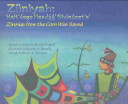
Dzani Yazhi Naazbaa’ / Little Woman Warrior Who Came Home: A Story Of The Navajo Long Walk

Dzanibaa’ is alone when U.S. troops swoop down on her family’s hogan. Before she can run to safety, a soldier grabs her and puts her on his horse. She is taken to Fort Canby, and from there is forced to walk to Bosque Redondo. For four long years, Dzanibaa’ and her family endure incredible hardship and sacrifice. Crops wither. Food is scarce or so tainted that it poisons. Illness strikes. At times there seems no hope of a better future. Nevertheless, this time of trial gives Dzanibaa’ a profound sense of herself as a Navajo and of the importance of her culture. As never before, Dzanibaa’ realizes the significance of the clan system, of the prayers and songs of her people, and of exerting herself to help her family. Hear Dzanibaa”s story, and discover why she is the Little Woman Warrior Who Came Home.

Songs of Shiprock Fair

A young Navajo girl enjoys every part of the annual Shiprock Fair, including the dances, parade, carnival, exhibits, contests, food, and the chance to visit with relatives.

A Boy Named Beckoning: The True Story of Dr. Carlos Montezuma, Native American Hero

This story reveals the life of a Yavapai-Apache boy named Wassaja, who was kidnapped from his tribe and sold as a slave. Adopted and renamed Carlos Montezuma, the young boy traveled throughout the Old West, bearing witness to the poor treatment of American Indians. Carlos eventually became a doctor and leader for his people.

The Unbreakable Code

John’s mother is geting married and he has to leave the reservation. John’s grandfather tells him he has the special unbreakable code to take with him. This story portrays the quiet pride of a Navajo code talker as he explains to his grandson how the Navajo language, faith and ingenuity helped win World War II.