“Provides comprehensive information on the geography, history, wildlife, governmental structure, economy, cultural diversity, peoples, religion, and culture of Kazakhstan”–Provided by publisher.
Intermediate (ages 9-14)
Material appropriate for intermediate age groups
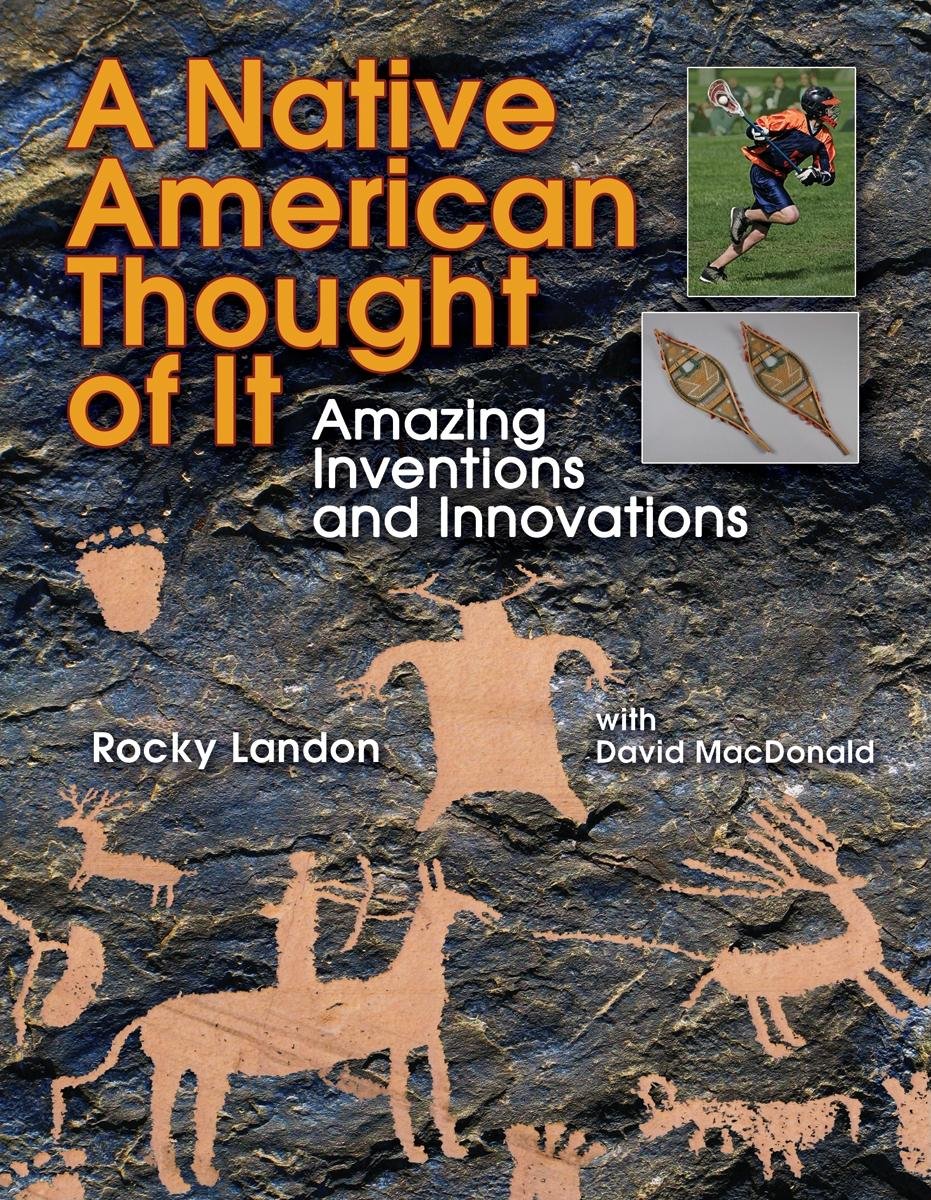
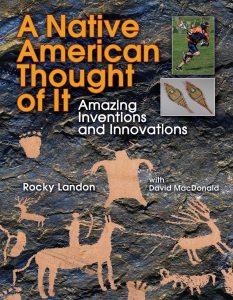
A Native American Thought Of It: Amazing Inventions And Innovations (We Thought Of It)
Inventiveness and ingenuity from North America’s First Nations.Everyone knows that moccasins, canoes and toboggans were invented by the Aboriginal people of North America, but did you know that they also developed their own sign language, as well as syringe needles and a secret ingredient in soda pop?Depending on where they lived, Aboriginal communities relied on their ingenuity to harness the resources available to them. Some groups, such as the Iroquois, were particularly skilled at growing and harvesting food. From them, we get corn and wild rice, as well as maple syrup.Other groups, including the Sioux and Comanche of the plains, were exceptional hunters. Camouflage, fish hooks and decoys were all developed to make the task of catching animals easier. And even games-lacrosse, hockey and volleyball — have Native American roots.Other clever inventions and innovations include: Diapers Asphalt Megaphones Hair conditioner Surgical knives Sunscreen.With descriptive photos and information-packed text, this book explores eight different categories in which the creativity of First Nations peoples from across the continent led to remarkable inventions and innovations, many of which are still in use today.

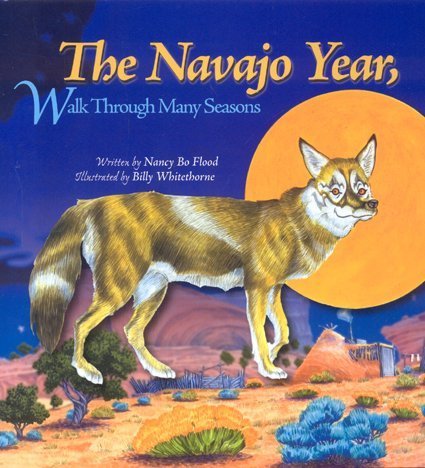
The Navajo Year Walk Through Many Seasons
For the Navajo people, the new year begins in October, when summer meets winter. The Navajo Year, Walk Through Many Seasons follows the Navajo calendar, and provides poetic descriptions of the many sights, sounds, and activities associated with each month. In November, there are string games and stories; in April, planting of corn, beans, and squash; and in July, rodeos and monsoon rains. Follow Coyote through the year, and explore how the Navajos observe the rites and passages of each month.
The Inuit Thought Of It: Amazing Arctic Innovations (We Thought Of It)
Dazzling inventions from the far north.Today’s Arctic communities have all the comforts of modern living. Yet the Inuit survived in this harsh landscape for hundreds of years with nothing but the land and their own ingenuity. Join authors Alootook Ipellie and David MacDonald as they explore the amazing innovations of traditional Inuit and how their ideas continue to echo around the world.Some inventions are still familiar to us: the one-person watercraft known as a kayak retains its Inuit name. Other innovations have been replaced by modern technology: slitted snow goggles protected Inuit eyes long before sunglasses arrived on the scene. And other ideas were surprisingly inspired: using human-shaped stone stacks (lnunnguat) to trick and trap caribou.Many more Inuit innovations are explored here, including: Dog sleds Kids’ stuff Shelter Food preservation Clothing Medicine.In all, more than 40 Inuit items and ideas are showcased through dramatic photos and captivating language. From how these objects were made, to their impact on contemporary culture, The Inuit Thought of It is a remarkable catalog of Inuit invention.
Gaia Warriors
A book on global warming like no other, merging key concepts with firsthand accounts from people of all ages who have found ways to help. Inspired by the work of outstanding scientist and thinker James Lovelock and written by acclaimed author Nicola Davies, here is a book that takes a clear look at how and why Earth’s climate is changing and the ways we can deal with it.
The Organization of American States
The Organization of American States is an international organization headquartered in Washington, D.C., whose members are the 35 nation-states of the Americas. Its historic goals are to strengthen peace and security, to consolidate representative democracy, to provide for collective defense, to eradicate poverty, and to promote economic, social, and cultural development. The organization is working on a treaty that will establish a hemispheric free-trade area. Though it has often been seen as an arm of U.S. foreign policy, most observers regard the United States’ influence as waning within the organization.
From Then To Now
Just 50,000 years ago, our hunter-gatherer ancestors ventured off the African Savannah and into the wider world. Now, our technology reaches far out into the cosmos. How did we get to where we are today? With lively text and colorful illustrations,From Then to Now explains how individual societies struggled to find their own paths, despite war, disease, slavery, natural disasters, and the relentless growth of human knowledge. From Hammurabi to Henry Ford, from Incan couriers to the Internet, from the Taj Mahal to the Eiffel Tower, from Marco Polo to Martin Luther King, from Cleopatra to Catherine the Great, from boiled haggis to fried tarantulas this is no less than the story of humanity. It’s the story of how we grew apart over all those years of migration and division, and how as we recognize our common heritage and our often mixed ancestry we can come together. An index, maps, and notes make this a must-have reference, as well as a delight to read and to discuss. From Then to Now is bound to create a generation of history buffs!
This Child, Every Child
A groundbreaking book of statistics and stories that compare the lives of children around the world today.
Sugar Changed the World
When this award-winning husband-and-wife team discovered that they each had sugar in their family history, they were inspired to trace the globe-spanning story of the sweet substance and to seek out the voices of those who led bitter sugar lives. The trail ran like a bright band from religious ceremonies in India to Europe’s Middle Ages, then on to Columbus, who brought the first cane cuttings to the Americas. Sugar was the substance that drove the bloody slave trade and caused the loss of countless lives but it also planted the seeds of revolution that led to freedom in the American colonies, Haiti, and France. With songs, oral histories, maps, and over 80 archival illustrations, here is the story of how one product allows us to see the grand currents of world history in new ways. Time line, source notes, bibliography, index.
Into The Unknown
Ready to relive some of the most daring voyages of all time? Unfold these spectacular cross sections and explore fourteen historic journeys. Open this dynamic book and discover how the greatest explorers in history from Marco Polo to Neil Armstrong plunged into the unknown and boldly pieced together the picture of the world we have today. With the help of masterful cross sections, dramatic storytelling, and sidebars that highlight key concepts, places, and technology, immerse yourself in such expeditions as: Leif Eriksson’s voyage to North America (eleventh century) Zheng He’s travels from China to East Africa (fifteenth century) Magellan’s circumnavigation of the globe (sixteenth century) Tenzing Norgay’s and Edmund Hillary’s scaling of Mt. Everest (twentieth century) Plus ten more exciting journeys!