
One of Hans Christian Andersen’s most romantic tales, The Steadfast Tin Soldier tells the story of a one-legged tin soldier who suffers a terrible fate all for the love of a beautiful paper dancer. Cursed by a jealous goblin, the toy solider is sent flying out the window to the street below, where a perilous adventure carries him ever further from his love. But throughout his ordeal, the soldier remains sturdy and staunch on his one leg, ever true to his beloved little dancer.
Primary (ages 6-9)
Material appropriate for primary age groups
Dom Deluise’s The Nightingale
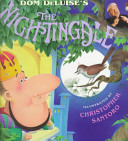
In this retelling of the classic Hans Christian Andersen fairy tale, a marvelous bird helps King Lucky realize that beauty is directly linked to freedom and it includes recipes for Bird in a Cage of Bread and Court Jester Cookies.
The Wild Swans
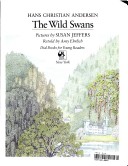
Eleven brothers, turned into wild swans by an evil stepmother, are saved by the sacrifices of their beautiful sister, Elise.
The Emperor’s New Clothes
In this version of Andersen’s tale by John A. Rowe, the emperor loves shopping and new clothes, but he is still tricked by two rascals.
The Perfect Wizard: Hans Christian Andersen
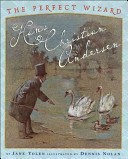
A biography of the famous Danish writer of fairy tales, interspersed with excerpts from his stories.
Far North: Vanishing Cultures
This book describes, in text and photographs, the vanishing culture of the Samis, the reindeer herders of the land in the far north called Finmark.
Hedgie’s Surprise
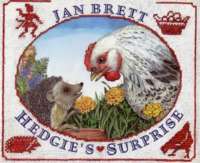
Hedgie, the hedgehog, helps Henny, the speckled hen, trick the Tomten who has been eating all of Henny’s eggs for breakfast.
Tom
Tom, a huge and adventurous dinosaur, makes an entertaining trip to New York City, where he makes an indelible impression on the Big Apple.
Nancy, the Little Gosling
Nancy’s interest in butterflies distracts her from lessons in waddling, flying, and swimming, but she still has something to teach her fellow goslings, and perhaps even their teacher.
The Ink Garden of Brother Theophane
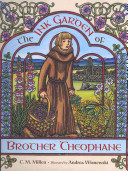
In medieval Ireland, Theophane’s boredom with his duties as a scribe distracts the other monks, but when he is sent to the kitchens, he discovers that he can make inks of many colors from plants, allowing others to illustrate their work.