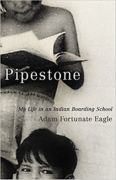
A renowned activist recalls his childhood years in an Indian boarding school

Material appropriate for young adults
A renowned activist recalls his childhood years in an Indian boarding school
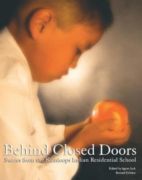
Behind Closed Doors features written testimonials from thirty-two individuals who attended the Kamloops Indian Residential School. The school was one of many infamous residential schools that operated from 1893 to 1979. The storytellers remember and share with us their stolen time at the school; many stories are told through courageous tears.
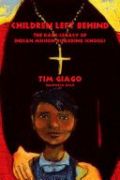
Tim Giago weaves memoir, commentary, reflection and poetry together to boldly illustrate his often-horrific experiences as a child at an Indian Mission boarding school run by the Catholic Church. Through his words, the experience of one Indian child becomes a metaphor for the experience of many who were literally ripped from their tribal roots and torn from their families for nine months of the year in order to be molded to better fit into mainstream America. They were not allowed to speak their own languages or follow their traditional customs, and cases of physical, sexual and psychological abuse were common. As a result, the Mission school experience often resulted in isolation, confusion, and intense psychological pain. This has contributed to problems including alcoholism, drug abuse, family violence and general alienation in an entire generation of Native Americans. Dramatic and intensely moving black-and white illustrations by Giagos daughter Denise illuminate the text.
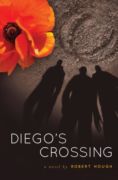
A young man is on a dangerous mission that will secure his future … or leave him dead. With all the suspense of a fast-paced movie, this gripping novel about Diego’s treacherous journey across borders, is also a moving story about a boy’s crossing into manhood.
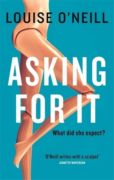
Asking For It is a powerful story about the devastating effects of rape and public shaming, told through the awful experience of a young woman whose life is changed forever by an act of violence.
Featured in WOW Review Volume IX, Issue 3.
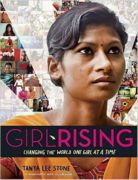
Girl Rising, a global campaign for girls’ education, created a film that chronicled the stories of nine girls in the developing world, allowing viewers the opportunity to witness how education can break the cycle of poverty.
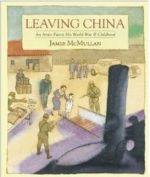
James McMullan was born in Tsingtao, North China, in 1934, the grandson of missionaries who settled there. As a little boy, Jim took for granted a privileged life of household servants, rickshaw rides, and picnics on the shore—until World War II erupted and life changed drastically. Jim’s father, a British citizen fluent in several Chinese dialects, joined the Allied forces. For the next several years, Jim and his mother moved from one place to another—Shanghai, San Francisco, Vancouver, Darjeeling—first escaping Japanese occupation then trying to find security, with no clear destination except the unpredictable end of the war. For Jim, those ever-changing years took on the quality of a dream, sometimes a nightmare, a feeling that persists in the stunning full-page, full-color paintings that along with their accompanying text tell the story of Leaving China.

Portrays the life of the famed English novelist and describes how he entertained audiences by reading his stories aloud. Includes excerpts from “The Pickwick Papers,” “Oliver Twist,” “A Christmas Carol,” “Dombey and Son,” “David Copperfield,” and “Great Expectations.”
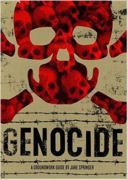
Some view the systematic killing, rape, and destruction of homes in Darfur as a grave humanitarian crisis. For others, it’s a clear example of the ultimate crime against humanity — genocide. Who is right? What is genocide? Who are the endangered human beings in today’s world? What is the impact on humanity of wiping out entire groups of people? This thoughtful book helps young readers understand these and other difficult questions. Providing an overview of the history of genocide worldwide, the book explores the paradox that while a person who murders another person can be tried and even executed for the crime, a person who murders hundreds or thousands of people usually goes free. Using case studies of acts of genocide throughout history, the book points out the unique character of each while at the same time establishing important links between them. Most importantly, the book answers the question, What can be done to prevent genocide from happening in the future?
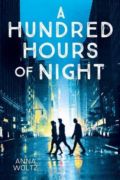
Furious at her father, who is caught up in a sex scandal, and suffering from panic attacks and obsessive-compulsive disorder, fifteen-year-old Emilia December de Wit runs away from Amsterdam to New York City, where she meets sixteen-year-old Seth, and his eleven-year old sister Abby and then hurricane Sandy hits and the lights go out.