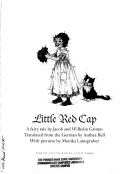
A little girl meets a hungry wolf in the forest while on her way to visit her grandmother.

A little girl meets a hungry wolf in the forest while on her way to visit her grandmother.
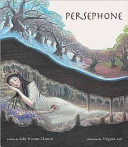
Based on the Greek myth of the beautiful young goddess who is snatched by Hades and taken to the underworld, this beautifully illustrated classic brings to life one of the world’s most ancient legends–the origins of the seasons.
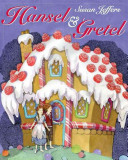
It’s a tale as timeless as storytelling itself: two children, lost in the woods, stumble upon a candy house that isn’t all that it seems. From Hansel’s trail of bread crumbs to Gretel’s ingenious triumph over the witch, the details of this familiar fairy tale enchant children year after year. Now, in an update on her classic retelling, Caldecott Honor winner and New York Timesbestseller Susan Jeffers brings Hansel and Gretelto life for a new generation.
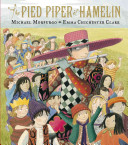
The Pied Piper pipes a village free of rats, and when the villagers refuse to pay him for the service, he pipes away their children as well.
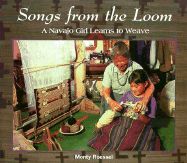
Jaclyn Roessel live in Kayenta, Arizona, on the Navajo reservation. Like most young girls, Jaclyn has many interests. She likes her math class, she plays basketball and volleyball, and she loves in-line skating. She is also interested in rug weaving, and she has asked her grandmother to teach her how to weave. For the Navajos, weaving is more than a craft or hobby. It is an important part of the culture and history of the Dine–the people. Jaclyn’s grandmother has explained that she wants Jaclyn to learn not just the technique of weaving but the stories and songs that go along with it. These stories about Spider Woman and Changing Woman have been passed down from generation to generation. In Songs from the Loom, photographer and writer Monty Roessel accompanies Jaclyn and her grandmother as they shear sheep, gather plants to dye wool, and weave a rug. Navajo rugs are highly valued and hang in museums around the world. This book looks at what the beautiful rugs mean to the Navajos.
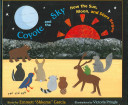
According to Santa Ana Pueblo legend, the animals’ spirit Leader created the sun, moon, and stars by using woven yucca mats and hot coals. He selected certain animals to climb from their homes in the Third World up to the Fourth World. The Squirrel, the Rabbit, and the Badger were all allowed to go. The Coyote, however, was forbidden to accompany them because he was always causing trouble and stealing food from the others. Regardless of what he was told, Coyote refused to stay in the Third World. He found a hiding place and waited for a chance to follow the animals to the Fourth World. When the other animals discovered Coyote, they summoned the Leader to the Fourth World to deal with him. Coyote’s punishment is a lesson in what happens to animals, or people, when they refuse to obey instructions. Writing for the younger reader, Emmett ‘Shkeme’ Garcia, a member of the Santa Ana tribe, shares his Pueblo’s story of the beginnings of the stars and constellations. Victoria Pringle’s illustrations provide visual elements that enhance the action of the story. All ages.

An introduction to Native American folklore – illustrated by the author

A little mouse prepares to rid the Mishongnovi people of a hawk that has been killing their chickens.
A retelling of the Indian legend which explains why the Navajo always plant a scattering of zinnia flowers among their food crops and respect every spider.

Tells how several animals failed in their efforts to steal fire for the Hopis, but eventually Vulture succeeded.