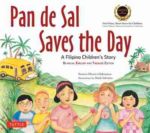
Although Pan De Sal feels like an outsider because of her name, appearance and lack of fancy possessions, when she is unexpectedly forced into the limelight, her talent and resourcefulness help her win the admiration of her classmates.

Although Pan De Sal feels like an outsider because of her name, appearance and lack of fancy possessions, when she is unexpectedly forced into the limelight, her talent and resourcefulness help her win the admiration of her classmates.
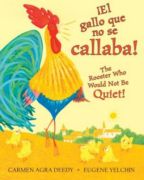
La Paz is a happy, but noisy village. A little peace and quiet would make it just right. So the villagers elect the bossy Don Pepe as their mayor. Before long, singing of any kind is outlawed. Even the teakettle is afraid to whistle! But there is one noisy rooster who doesn’t give two mangos about this mayor’s silly rules. Instead, he does what roosters were born to do.
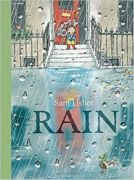
Sam wants to go out, but it’s pouring rain, so Granddad says they need to stay inside until the rain stops. Sam drinks hot chocolate and reads his books and dreams of adventures while Granddad does some paperwork. When Granddad needs to mail his letter, it’s time to go out despite the rain and floods and Sam and Granddad have a magical adventure. The follow up to the acclaimed Snow, this is the second title in a four-book series based on the weather from creator Sam Usher.
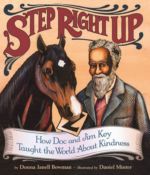
A picture book biography of Dr. William Key, a former slave and self-trained veterinarian who taught his horse, Jim, to read and write and who together with Jim became one of the most famous traveling performance acts around the turn of the twentieth century. Includes afterword and author’s sources.
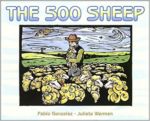
The Story is about a stingy and greedy farmer who loses his prized sheep, one by one.
From the south of Brazil passing through Uruguay to the south of Argentina, spreads “the Pampas,” one of the best natural grazing lands of the world. The term “pampa” comes from the Quechua language and means “plain,” an open countryside without vegetation. In this region lives the gaucho, a unique character with typical custom, clothing and language.
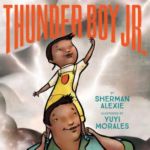
Thunder Boy Jr. is named after his dad, but he wants a name that’s all his own. Just because people call his dad Big Thunder doesn’t mean he wants to be Little Thunder. He wants a name that celebrates something cool he’s done, like Touch the Clouds, Not Afraid of Ten Thousand Teeth, or Full of Wonder. But just when Thunder Boy Jr. thinks all hope is lost, he and his dad pick the perfect name…a name that is sure to light up the sky.
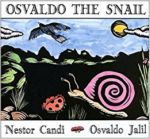
Osvaldo was a snail who had lived his whole life in the shadows of the darkest jungle. Perhaps that was why he had such a strong desire to visit the world of light. Together with his companion– Juanit, the ladybug– Osvaldo sets out to find the world of light.
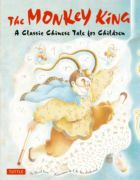
Long ago, the Jade Emperor, the ruler of the Heavens, was so unhappy that China was in great turmoil that he even considered destroying its people. The Goddess of Mercy, Guan Yin, suggested another way find Lord Buddha’s scriptures in India and bring them back to China this would help the Chinese to become peaceful and kind
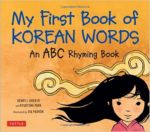
My First Book of Korean Words is a beautifully illustrated book that introduces young children to Korean language and culture through everyday words.
Featured in WOW Review Volume IX, Issue 3.