
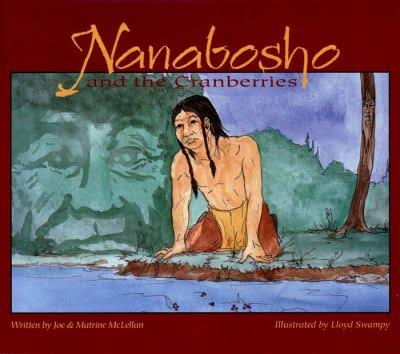
 Sometimes we can be fooled by what we want to see. That happens to a famished Nanabosho when he sees a bush of plump cranberries seemingly floating on the surface of the lake.
North America
Tuk And The Whale
During the early 1600s, there was an active whaling industry in Canada. Whale oil was used to light the streets and buildings of European cities and to manufacture leather, wool, and soap. The baleen was used to make everything from carriage springs to corsets. Told from the point of view of a young Inuit boy named Tuk, this story imagines what might have happened if the people of Tuk’s Baffin Island winter camp had encountered European whalers, blown far from their usual whaling route. Both the hunters and the whalers prize the bowhead whale for different reasons. Together, they set out on a hunt, though they are all on new and uncertain ground. Scrupulously researched and vetted, this early chapter book inspires discussion about communication between two groups of people with entirely different world views, early whaling practices, and a productive partnership that also foreshadows serious problems to come. Simply and beautifully told, Tuk and the Whale includes a glossary, historical note, and recommendations for further reading.
Tundra Mouse: A Storyknife Book
Using a traditional technique called storyknifing, two Yupik Eskimo sisters share a story about the mice that made a nest out of tinsel from the Christmas tree.
Winter Camp
Two orphaned siblings struggle to survive a harsh Alaskan winter looking after a badly wounded miner, while their guardian, an old Athabascan Indian who has taught them the ways of their ancestors, searches for help.
Salmon Summer
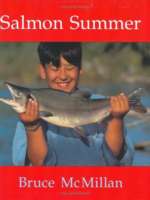
A photo essay describing a young native Alaskan boy fishing for salmon on Kodiak Island as his ancestors have done for generations.
The Seven Fires
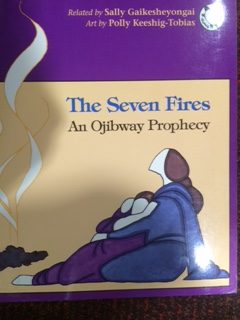 Presents the history of the colonization of the Ojibway people through a series of seven prophesies.
No Time To Say Goodbye: Children’s Stories Of Kuper Island Residential School
For most North Americans, the practice of sending First Nations children to aboriginal boarding schools is a chapter in history that seems best forgotten. But the generations of children who were rounded up and sent to those faraway schools won’t ever forget the day-to-day reality of that “chapter.” Often taken without warning or time to say goodbye to their families, children as young as five had their hair cropped short and their clothes taken away. Then they were deloused, dressed in uniforms and forbidden to speak their native language or practise their traditional arts, religion or dances. No Time to Say Goodbye is a fictional account of five children sent to aboriginal boarding school, based on the recollections of a number of Tsartlip First Nations people. These unforgettable children are taken by government agents from Tsartlip Day School to live at Kuper Island Residential School. The five are isolated on the small island and life becomes regimented by the strict school routine. They experience the pain of homesickness and confusion while trying to adjust to a world completely different from their own. Their lives are no longer organized by fishing, hunting and family, but by bells, line-ups and chores. In spite of the harsh realities of the residential school, the children find adventure in escape, challenge in competition, and camaraderie with their fellow students. Sometimes sad, sometimes funny, always engrossing, No Time to Say Goodbye is a story that readers of all ages won’t soon forget.
The Moccasins
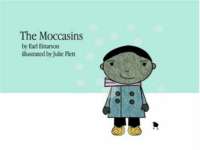
This is an endearing story of a young Aboriginal foster child who is given a special gift by his foster mother. Her gift of warmth and thoughtfulness helps her young foster children by encouraging self-esteem, acceptance and love. Written as a simple story, it speaks of a positive foster experience.
Slash
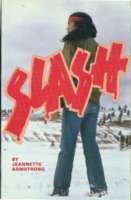
Slash is Jeannette Armstrong’s first novel. Slash poignantly traces the struggles, pain, alienation and accounts of a young Okanagan man’s search for truth and meaning in his life. Slash has been adopted for use in high schools, colleges and universities.
Ojibwas (Native Americans)
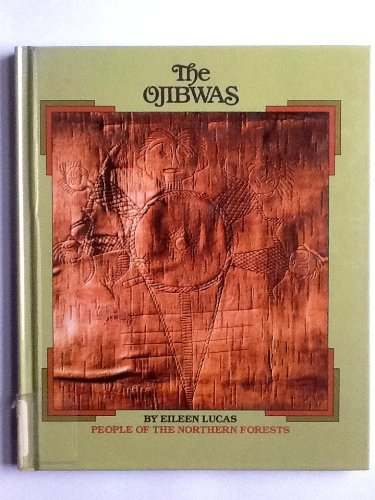 Presents the history, culture, and contemporary life of the northeastern Native American people who, in the 1400s, migrated from the North Atlantic coast and settled around the Great Lakes.