
Our new kitty likes to hide. A nuestra nueva gatita le gusta esconderse. She hides under the table, Se esconde debajo de la mesa, inside a flowerpot, dentro de una maceta and behind the curtains. Y detrás de las cortinas. We call out to her, La llamamos, pero . . . but will she ever come close enough to pet? ¿se acercará lo suficiente como para acariciarla? Here, kitty, kitty! ¡Ven, gatita, ven! This third book in Pat Mora’s bilingual My Family/Mi familia series will delight children with its mischievous kitty, playful illustrations, and engaging story. Este tercer libro de la serie bilingüe My Family/Mi familia de Pat Mora entretendrá a los niños con una gatita traviesa, ilustraciones graciosas y una historia encantadora.
United States
Materials from United States of America
Growing Up with Tamales/Los Tamales De Ana (Spanish Edition)
“My name is Ana. Every year, my family makes tamales for Christmas. This year, I am six, so I get to mix the dough, which is made of cornmeal. My sister Lidia is eight, so she gets to spread the dough on the corn husk leaves. I wish I was eight, so that my hands would be big enough to spread the dough just right–not too thick and not too thin.” And so the years pass, and Ana turns eight, ten, twelve, fourteen, sixteen. But every year, big sister Lidia is always two years older. Ana envies her elder sibling and wishes she could do what Lidia does: put just the right amount of meat inside the tamales and roll them up; steam the tamales without scalding herself with the hot, hot steam; chop and cook the meat for the tamales without cutting or burning her hands. When she turns eighteen, though, Ana knows she will keep making tamales and she will be able to do all of the steps herself in her very own factory. When Christmas comes around, Ana will deliver tamales to all of her customers around the world, in delivery trucks that say “Ana’s Tamales.” And maybe Ana will even let Lidia work for her. Gwendolyn Zepeda’s rhythmic prose is combined with April Ward’s bright illustrations to create an affectionate and amusing story about sibling relationships that introduces an important Hispanic holiday tradition–making tamales!
Brothers Torres, The
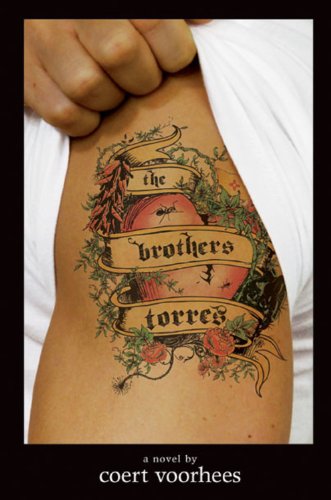 Frankie Towers has always looked up to his older brother, Steve, and with good reason. Steve is a popular senior who always gets what he wants: girls, a soccer scholarship, and–lately–street cred. Frankie, on the other hand, spends his time shooting off fireworks with his best friend Zach, working at his parents’ restaurant, and obsessing about his longtime crush, Rebecca Sanchez.
Frankie has reservations about Steve’s crusade to win the respect of the local cholos. He doesn’t think about them, though, until he gets into a fist fight John Dalton – the richest, preppiest kid in his New Mexican high school, and longtime nemesis of Steve. After the fight, Steve takes Frankie under his wing – and Frankie’s social currency begins to rise. The cholos who used to ignore him start to recognize him; he even lands a date to Homecoming with Rebecca.
The situation with Dalton continues to simmer, and after another incident Steve is bent on retaliating. Frankie starts to think that his brother is taking this respect thing too far. He may have to choose between respecting his brother and respecting himself.
In an honest and humorous debut novel, Coert Voorhees uses a coming of age story to look at where loyalty ends and the self begins.
Dark Dude
He didn’t say good-bye. He didn’t leave a phone number. And he didn’t plan on coming back – ever.
In Wisconsin, Rico could blend in. His light hair and lighter skin wouldn’t make him the “dark dude” or the punching bag for the whole neighborhood. The Midwest is the land of milk and honey, but for Rico Fuentes, it’s really a last resort. Trading Harlem for Wisconsin, though, means giving up on a big part of his identity. And when Rico no longer has to prove that he’s Latino, he almost stops being one. Except he can never have an ordinary white kid’s life, because there are some things that can’t be left behind, that can’t be cut loose or forgotten. These are the things that will be with you forever…. These are the things that will follow you a thousand miles away.
For anyone who loved The Outsiders — and for anyone who’s ever felt like one — Pulitzer Prize-winning novelist Oscar Hijuelos brings to life a haunting choice and an unforgettable journey about identity, misidentity, and all that we take with us when we run away.
Earth Daughter: Alicia of Acoma Pueblo
 Alicia, a member of the Acoma Pueblo, learns the art of pottery from her parents, from shale collecting in the canyon to the formation and decoration of pots, in a cultural examination of a time-honored Pueblo tradition.
Fiesta U.S.A.
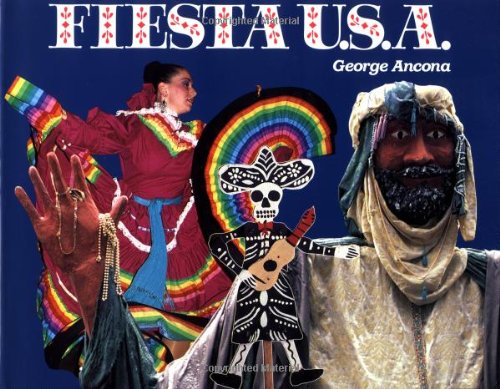 In a tribute to the customs and traditions of Latinos in the United States, engaging photographs capture four fiestas: the Day of the Dead, las Posadas, the dance of the Matachines, and Three Kings’ Day.
Grandma’s Records
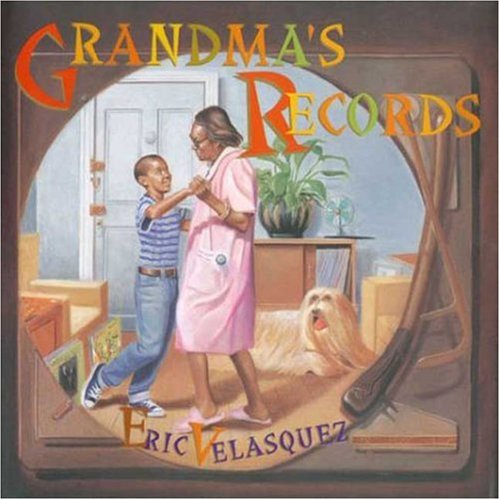 The author describes his boyhood summers spent at his grandmother’s apartment in Spanish Harlem where she intoduced him to the sounds and steps of the merengue and the conga and told him stories of Puerto Rico.
Henry Cisneros
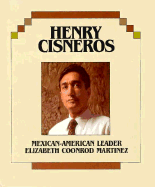 A biography of the Mexican-American mayor of San Antonio, Texas, who became the first Hispanic mayor of a major United States city in 1981.
I’m New Here
 Follow Jazmin Escalante, newly arrived in California from El Salvador, as she recounts her first days of school in America.
Juan And The Jackalope: A Children’s Book In Verse
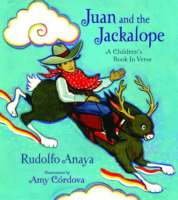
When Rosita, the loveliest gal in the Pecos River Valley, offers her delicious rhubarb pie as first prize for the Great Grasshopper Race, a thousand love-struck vaqueros line up for the competition. Of course everyone believes that the legendary cowboy Pecos Bill, riding his giant grasshopper, Hoppy, is a shoo-in for the grand prize. Sure enough, Bill and Hoppy give an impressive performance, crisscrossing the Southwest in a raucous ride. But young Juan, who is hopelessly in love with Rosita, astonishes them all when he and Jack the Jackalope take a miraculous ride around the world and across the Milky Way. The daring pair return, covered in stardust, to claim the beautiful Rosita and her delicious pie. Set in New Mexico, Anaya’s fanciful story, coupled with Amy Cordova’s vivid illustrations, brings the tradition of Southwestern tall tales to a new generation of young readers.