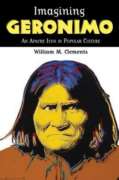
His face has appeared on T-shirts, postage stamps, jigsaw puzzles, posters and an Andy Warhol print. A celebrity and a tourist attraction who attended three World’s Fairs and rode in President Theodore Roosevelt’s inaugural parade, he is a character in such classic westerns as Stagecoach and Broken Arrow. His name was used in the daring military operation that killed Osama bin Laden in 2011, and rumors about the location of his skull at a Yale University club have circulated for a century. These are just a few of the ways that the Apache shaman and war leader known to Anglo-Americans as Geronimo has remained alive in the mainstream American imagination and beyond.
Nonfiction
Nonfiction genre
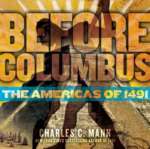
Before Columbus: The Americas Of 1491
This study of Native American societies is adapted for younger readers from Charles C. Mann’s best-selling 1491. Turning conventional wisdom on its head, the book argues that the people of North and South America lived in enormous cities, raised pyramids hundreds of years before the Egyptians did, engineered corn, and farmed the rain forests.
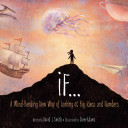
If
Some things are so huge or so old that it’s hard to wrap your mind around them. But what if we took these big, hard-to-imagine objects and events and compared them to things we can see, feel and touch? Instantly, we’d see our world in a whole new way. So begins this endlessly intriguing guide to better understanding all those really big ideas and numbers children come across on a regular basis.
On Top of the World
Describes the final stages of the conquest of Mount Everest on May 29, 1953, by Sir Edmund Hillary and Tenzing Norkey.
One Step At A Time
One Step at a Time continues the true story of Last Airlift: A Vietnamese Orphan’s Rescue from War. Tuyet, recently rescued from war-torn Vietnam, is settling into her new adoptive family. But before she can even learn to speak their language, she must undergo a frightening surgery to correct her polio-damaged leg.
Last Airlift
Last Airlift is the true story of one girl’s escape from war-torn Vietnam. School Library Journal said, “The author tells Tuyet’s story with respect and dignity, introducing readers to a brave girl caught up in the turbulent times of her country, her fears of leaving what she knew, and the joy of finding a new life.”
Strike!
In 1965, as the grapes in California’s Coachella Valley were ready to harvest, migrant Filipino American workers—who picked and readied the crop for shipping—negotiated a wage of $1.40 per hour, the same wage growers had agreed to pay guest workers from Mexico. But when the Filipino grape pickers moved north to Delano, in the Central Valley, and again asked for $1.40 an hour, the growers refused. The ensuing conflict set off one of the longest and most successful strikes in American history.
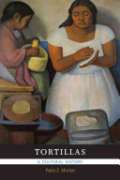
Tortillas
“The ordinary tortilla was an extraordinary bond between the human and divine. . . . From birthdays to religious ceremonies, the people of Mesoamerica commemorated important events with tortillas. One Maya tribe even buried their dead with tortillas so that the dogs eaten as dinner during life would not bite the deceased in revenge.”–from Tortillas: A Cultural History For centuries tortillas have remained a staple of the Mexican diet, but the rich significance of this unleavened flatbread stretches far beyond food. Today the tortilla crosses cultures and borders as part of an international network of people, customs, and culinary traditions. In this entertaining and informative account Paula E. Morton surveys the history of the tortilla from its roots in ancient Mesoamerica to the cross-cultural global tortilla. Morton tells the story of tortillas and the people who make and eat them–from the Mexican woman rolling the mano over the metate to grind corn, to the enormous wheat tortillas made in northern Mexico, to twenty-first-century elaborations like the stuffed burrito. This study–the first to extensively present the tortilla’s history, symbolism, and impact–shows how the tortilla has changed our understanding of home cooking, industrialized food, healthy cuisine, and the people who live across borders.

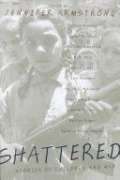
Shattered
As bullets ring and bombs are dropped, children watch—mostly from the sidelines, but occasionally in the direct line of fire. Unaware of the political issues or power struggles behind the battle, all they know are the human, emotional consequences of this thing called war. This collection examines all of war’s implications for young people—from those caught in the line of fire to the children of the veterans of wars long past.Critically acclaimed author Jennifer Armstrong brings together 12 powerful voices in young people’s literature to explore the realities of war from a child’s perspective. The settings vary widely—the Soviet invasion of Afghanistan, an attempted coup in Venezuela, the American Civil War, crisis in the Middle East—but the effects are largely the same. In war, no life is ever left untouched. In war, lives are shattered.
Market!
Lewin takes readers on a whirlwind trip around the globe to marvel at the range of goods available for sale in the world’s markets. Woolen sweaters and ponchos in Ecuador; wood carvings, flutes, garlic and ginger in Nepal; Irish horses; Ugandan cows, bananas, and limes; fish in New York City; and dates, pottery and donkeys in Morocco are just a few of the products depicted in the watercolor paintings.