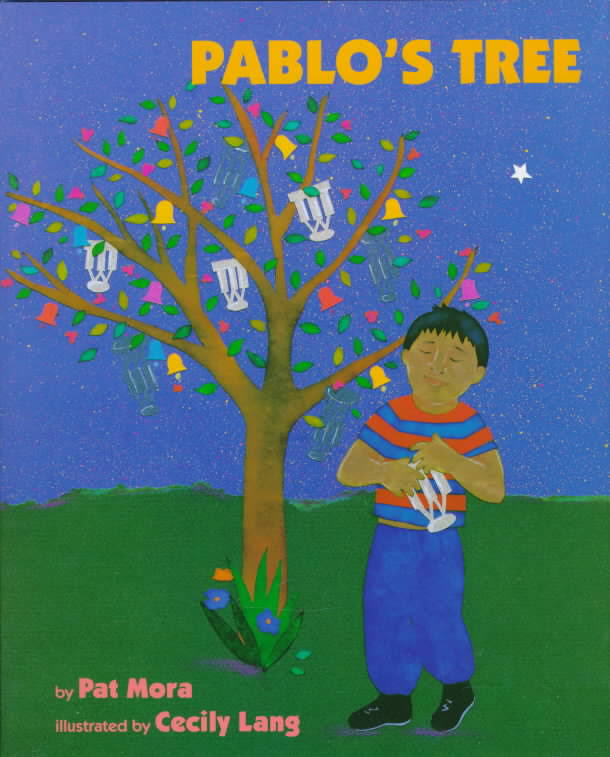
 Each year on his birthday, a young Mexican American boy looks forward to seeing how his grandfather has decorated the tree he planted on the day the boy was adopted.

Each year on his birthday, a young Mexican American boy looks forward to seeing how his grandfather has decorated the tree he planted on the day the boy was adopted.
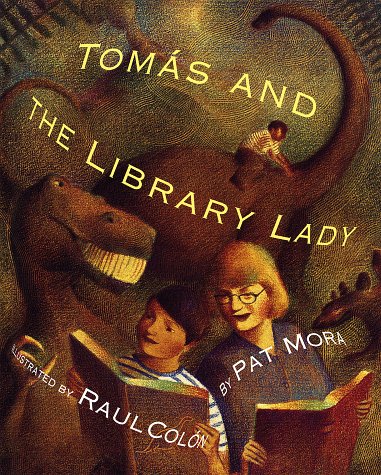 Tomás is a son of migrant workers. Every summer he and his family follow the crops north from Texas to Iowa, spending long, arduous days in the fields. At night they gather around to hear Grandfather’s wonderful stories. But before long, Tomás knows all the stories by heart. “There are more stories in the library,” Papa Grande tells him. The very next day, Tomás meets the library lady and a whole new world opens up for him. Based on the true story of the Mexican-American author and educator Tomás Rivera, a child of migrant workers who went on to become the first minority Chancellor in the University of California system, this inspirational story suggests what libraries–and education–can make possible. Raul Colón’s warm, expressive paintings perfectly interweave the harsh realities of Tomás’s life, the joyful imaginings he finds in books, and his special relationships with a wise grandfather and a caring librarian.
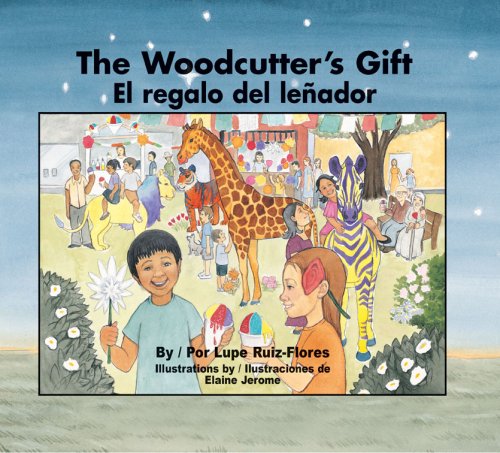 One day, a terrible thunderstorm knocked down the giant mesquite tree that grew in the town square. After the storm, the townspeople gathered to gawk at the large obstruction blocking the street. They weren’t sure what to do with it, but they all agreed that the wood was good for nothing except a fire. But the woodcutter Tomás sees something in the huge tree that the rest of the townsfolk don’t. “The beauty of this tree is not on the outside but on the inside,” Tomás tells them. In the following days, everyone watches curiously as the woodcutter carves and chips and whittles the wood into blocks. At one point, he moves the chunks into his shed, increasing everyone’s curiosity. What could the woodcutter be doing with all that lumber? Finally, Tomás calls the townsfolk together to see his creations: a wonderful collection of life-sized animals for the children to enjoy. Children and adults alike are thrilled with their private zoo! But a few weeks later the woodcutter is visited by strangers from a folk-art museum who want to buy the pieces for their collection. Will Tomás sell the town’s new zoo animals so that others can enjoy them too?
Illus: woodcuts
 When lonely Paloma goes to the beach and wishes that she had a sister to play with, the girl she draws in the sand comes magically alive, and at day’s end her parents give her the good news of a new baby on the way.
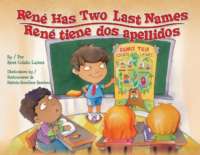
Young Rene is from El Salvador, and he doesn’t understand why his name has to be different in the United States. When he writes Colato, he sees his paternal grandparents, Rene and Amelia. When he writes Lainez, he sees his maternal grandparents, Angela and Julio. His new classmates giggle when Rene tells them his long name. So when the students are given a project to create a family tree, Rene is determined to explain the importance of using both of his last names. On the day of his presentation, Rene explains that he is as hard working as Abuelo Rene, who is a farmer, and as creative as his Abuela Amelia, who is a potter. He can tell stories like his Abuelo Julio and enjoys music like his Abuela Angela.
This book has been included in WOW’s Language and Learning: Children’s and Young Adult Fiction Booklist. For our current list, visit our Booklist page under Resources in the green navigation bar.
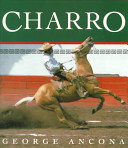
Charro is the Mexican term for horseman, but for a Mexican a charro is much more than a cowboy. A skilled rider of horses and bulls and bucking broncos, an artist with a lariat, and a model of gentlemanly dress and behavior, the charro is also a living symbol of Mexico’s patriotic past. In the rodeo-like sport called la charrería, male charros and female charras, children and adults, show off their skill and daring. But more than that they are showing off their pride in their country–because to be a charro is to be a Mexican.
 Jose is not sure what to expect when his grandmother from Mexico moves in…except that he will certainly have to change his ways. What he discovers is that he doesn’t mind one bit. Abuelita is full of surprises! She is full of life!
After school, Marisol eagerly starts for home to see if her cat, Luisa, has had her kittens. But before she can get there, Uncle Tomás calls to her. He needs Marisol to tell the poultry man that his chickens cost too much. Uncle Tomás cannot speak English so Marisol must do the talking–and she does. Marisol hurries on her way, but soon Auntie Flora stops her for help. Then Mrs. Lopez needs her, too. When Marisol finally gets home, her own mama needs her to hurry to the phone company to straighten out a bill. Luisa will have to wait.
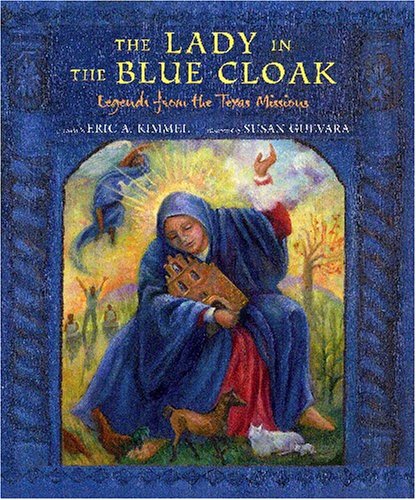 For each Texas mission, there is a rich and complicated history. In the title story, from Mision de San Francisco de los Tejas, a mysterious woman in blue visits the Teas people to prepare them for the missionaries\’ arrival. In \”Rosa\’s Window\” and \”The Bell\” the love and grief of two couples torn apart in the making of the Mision de San Jose y San Miguel de Aguayo manifest themselves in the very edifices of the mission. The Mision de Nuestra SEnora de la Purisma Concepcion de Acuna, named for and dedicated to the Blessed Virgin Mary, was the scene of a remarkable salvation as the Teas workers tried to escape the heated pursuit of the Comanches in \”The Miracle at the Gate.\” Here Kimmel gracefully retells these and other powerful legends behind four of th missions, each enhanced by a beautifully evocative painting by Susan Guevara.
 The tradition of los abuelos comes from northern New Mexico. In the cold months of midwinter, village men disappear to disguise themselves as scary old men and then descend on the children, teasing them and asking if they’ve been good. The abuelos encourage the little ones to dance and sing around huge bonfires. Afterwards, everyone enjoys cookies and empanadas. In this charming book, young Ray and Amelia move to a new village and experience the fright and fun of los abuelos for the first time. Amelia Lau Carling researched the region for her vibrant artwork, and author Pat Mora’s lively text captures the appeal of an old-world celebration now being revived.