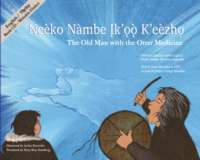
A young boy is having trouble sleeping at night. He is being called to fulfill his destiny, a destiny which lives on today in the traditions and culture of the Dene people and their relationship to the caribou and the land on which they live.
Canada
Materials from Canada
Tuk And The Whale
People of the Trail: How the Northern Forest Indians Lived
Describes the family life, games, hunting and fishing techniques, homes, clothing, beliefs, and means of travel of the Indians of the Northwest.
Salmon Boy: A Legend of the Sechelt People
Simple and compelling First Nations drawings illustrate this dynamic story that teaches respect for the environment and describes the life cycle of the salmon.
The Cree (First Americans)
Provides comprehensive information on the background, lifestyle, beliefs, and present-day lives of the Cree people.
Wolf Run: A Caribou Eskimo Tale
Skysisters
Two Ojibway sisters set off across the frozen north country to see the SkySpirits’ midnight dance. It isn’t easy for the younger sister to be silent, but gradually she begins to treasure the stillness and the wonderful experiences it brings. After an exhilarating walk and patient waiting, the girls are rewarded by the arrival of the SkySpirits — the Northern Lights — dancing and shimmering in the night sky. This powerful story, with its stunning illustrations, captures the chill of a northern night, the warmth of the family circle and the radiance of a child’s wonder.
The Cree (Lifeways)
Discusses the history, culture, beliefs, changing ways and notable people of the Cree.
Nanabosho and the Cranberries
Halfbreed
“I write this for all of you, to tell you what it is like to be a Halfbreed woman in our country. I want to tell you about the joys and sorrows, the oppressing poverty, the frustration and the dreams. . . . I am not bitter. I have passed that stage. I only want to say: this is what it was like, this is what it is still like.” For Maria Campbell, a Métis (“Halfbreed”) in Canada, the brutal realities of poverty, pain, and degradation intruded early and followed her every step. Her story is a harsh one, but it is told without bitterness or self-pity. It is a story that begins in 1940 in northern Saskatchewan and moves across Canada’s West, where Maria roamed in the rootless existence of day-to-day jobs, drug addiction, and alcoholism. Her path strayed ever near hospital doors and prison walls.It was Cheechum, her Cree great-grandmother, whose indomitable spirit sustained Maria Campbell through her most desperate times. Cheechum’s stubborn dignity eventually led the author to take pride in her Métis heritage, and Cheechum’s image inspired her in her drive for her own life, dignity; and purpose.