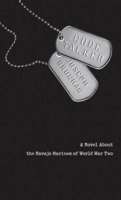
After being taught in a boarding school run by whites that Navajo is a useless language, Ned Begay and other Navajo men are recruited by the Marines to become Code Talkers, sending messages during World War II in their native tongue.

Materials from United States of America
After being taught in a boarding school run by whites that Navajo is a useless language, Ned Begay and other Navajo men are recruited by the Marines to become Code Talkers, sending messages during World War II in their native tongue.
 A Rainbow at Night is a lively collection of art by Navajo children. Through these imaginative paintings and drawings, readers will learn about some of the special traditions of Navajo life while discovering the universality shared by children of all backgrounds. The images are accompanied by photographic portraits of the artists and personal descriptions of their work.
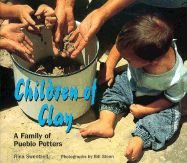
Members of a Tewa Indian family living in Santa Clara Pueblo in New Mexico follow the ages-old traditions of their people as they create various objects of clay.
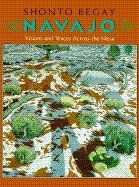
Collection of twenty poems accompanied by full color paintings of mountains, plateaus, deserts, and wildlife from the American Southwest and of the Native people who live there. Book begins with spiritual elements, moves on to told stories, Begay’s memories, members of the community, and rituals, and ends with hope for an early spring. Throughout there is a sense of striving to balance the old ways and beliefs with the intrusive outer world and to protect the Earth, which is regarded as sacred.
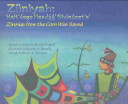
A retelling of the Indian legend which explains why the Navajo always plant a scattering of zinnia flowers among their food crops and respect every spider.
An introduction to Native American folklore – illustrated by the author
John’s mother is geting married and he has to leave the reservation. John’s grandfather tells him he has the special unbreakable code to take with him. This story portrays the quiet pride of a Navajo code talker as he explains to his grandson how the Navajo language, faith and ingenuity helped win World War II.
Celinda McKelvey, a Navajo girl, participates in the Kinaalda, the traditional coming-of-age ceremony of her people.
This book is featured in the October 2018 My Take/Your Take.
Jaclyn Roessel live in Kayenta, Arizona, on the Navajo reservation. Like most young girls, Jaclyn has many interests. She likes her math class, she plays basketball and volleyball, and she loves in-line skating. She is also interested in rug weaving, and she has asked her grandmother to teach her how to weave. For the Navajos, weaving is more than a craft or hobby. It is an important part of the culture and history of the Dine–the people. Jaclyn’s grandmother has explained that she wants Jaclyn to learn not just the technique of weaving but the stories and songs that go along with it. These stories about Spider Woman and Changing Woman have been passed down from generation to generation. In Songs from the Loom, photographer and writer Monty Roessel accompanies Jaclyn and her grandmother as they shear sheep, gather plants to dye wool, and weave a rug. Navajo rugs are highly valued and hang in museums around the world. This book looks at what the beautiful rugs mean to the Navajos.
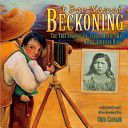
This story reveals the life of a Yavapai-Apache boy named Wassaja, who was kidnapped from his tribe and sold as a slave. Adopted and renamed Carlos Montezuma, the young boy traveled throughout the Old West, bearing witness to the poor treatment of American Indians. Carlos eventually became a doctor and leader for his people.