The Chinese Revolution And Mao Zedong In World History

Mao Zedong, leader of the Chinese Revolution, rescued China from years of corrupt rule, foreign domination, and civil war. Through Mao’s tactics of guerilla warfare and peasant support, China became a Communist nation in 1949. Mao unified China under a central government, yet the legacy of his achievements — and mistakes — still lingers. By isolating China for over two decades, Mao let it lag behind the progress made in other countries. In The Chinese Revolution and Mao Zedong in World History, author Ann Malaspina relates the history of the Chinese Communist party and the People’s Republic of China during the time of Mao Zedong. Key events include the Great Leap Forward, the Cultural Revolution, and Mao’s helping China emerge from isolation by reaching out to the United States.
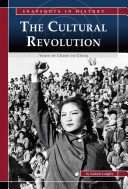
The Cultural Revolution

On August 18, 1966, more than 1 million young people marched into the center of Beijing. They had come to answer the call of the country’s leader, Chairman Mao Tse-tung. Mao had just launched the Cultural Revolution in China, an attack on anyone who seemed to be betraying communist ideals. The young people who came to Beijing carried Maos violent message throughout the land. During the next three years, the Cultural Revolution brought chaos and bloodshed all around China.


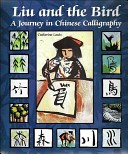
Liu and the Bird: A Journey in Chinese Calligraphy

This innovative book combines the story of Liu, who goes off to visit her grandfather, with a rebus-style look at the evolution of the Chinese written language from pictures to modern calligraphy characters.

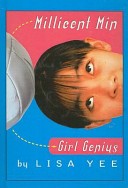
Millicent Min: Girl Genius

Millicent Min is having a bad summer. Her fellow high school students hate her for setting the curve. Her fellow 11-year-olds hate her for going to high school. And her mother has arranged for her to tutor Stanford Wong, the poster boy for Chinese geekdom. But then Millie meets Emily. Emily doesn’t know Millicent’s IQ score. She actually thinks Millie is cool. And if Millie can hide her awards, ignore her grandmother’s advice, swear her parents to silence, blackmail Stanford, and keep all her lies straight, she just might make her first friend.

Read more about Millicent Min: Girl Genius in WOW Review.

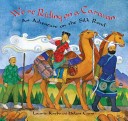
Adventures on the Ancient Silk Road

A gripping account of three dramatic journeys that changed history. The fabled Silk Road conjures up the sights, smells and sounds of faraway lands. But traveling the Silk Road took years, and those who set out encountered bandits, starvation and treacherous storms. Adventures on the Ancient Silk Road introduces readers to three great historical figures: Chinese Buddhist Xuanzang, whose 16-year journey from China to India and back (629-645 AD) is the only source we have for huge chunks of the history and geography of this time. His successful search for Buddhist scriptures changed the course of two great nations. Genghis Khan, bred from infancy to be a warrior, brought the Mongol clans together. He established the greatest empire the world had seen, which ruled the Silk Road from 1201 to 1227. Italian merchant Marco Polo journeyed through China from 1271 to 1295. He changed the way Europe saw the world, and his book even inspired Columbus to sail west across the Atlantic Ocean in search of China. Beautiful photographs and art depicting the ancient routes and peoples bring the stories to life. Maps, sidebars and an afterword that updates the story of the Silk Road are also featured.

Fu Finds the Way

When the warrior Chang challenges young Fu to a duel, Fu panics. His only hope is that the Master will train him, just as he’s trained all the young warriors of the village.  But instead of teaching Fu to fight, the Master teaches him to pour tea. Fu learns purpose, flow and patience in the process, but will it be enough to defeat the mighty Chang? With his signature breathtaking art, John Rocco has created a modern parable full of adventure, heart, humor, and a gentle message about the importance of focus and finding joy in simple tasks.

The Chinese Thought of It: Amazing Inventions and Innovations (We Thought of It)

How Chinese ingenuity changed the world. Acupuncture, gunpowder and the secrets to spinning silk are innovations that we have come to associate with China. But did you know that the Chinese also invented the umbrella? And toilet paper, initially made from rice straw clumped together, was first used in China! Through the ages, the Chinese have used the resources available to them to improve their lives. Their development of the compass and the paddleboat helped facilitate the often difficult tasks of travel and trade, and many foods associated with health and wellness — from green tea to tofu — have their origins in China. Other interesting innovations include: the suspension bridge and the wheelbarrow playing cards. With descriptive photos and information-packed text divided into sections including farming, food and games, this third book in the “We Thought of It” series explores the fascinating origins of much that surrounds us today.