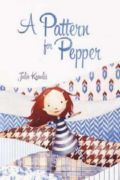
From pinstripe to houndstooth, ikat to toile, join Pepper on her journey into the history of textiles as she works alongside a tailor to make her perfect dress.

From pinstripe to houndstooth, ikat to toile, join Pepper on her journey into the history of textiles as she works alongside a tailor to make her perfect dress.
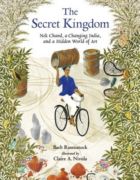
The incredible story of the world’s largest visionary environment: the Rock Garden of Chandigarh, kept secret by outsider artist Nek Chand for fifteen years.
The Secret Kingdom has been discussed in My Take/Your Take for July 2021.
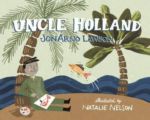
When Holland is arrested for the thirty-seventh time for stealing beautiful things, he must make a very difficult decision. A police officer says that he must either go to jail or become a soldier. He chooses to join the army and is sent south, where he finds himself surrounded by beautiful things: palm trees, parrots, flowers and big blue waves…and fish! Holland starts painting pictures of the fish, which he sells at the market on the weekend. Soon, he has money to send home to his parents. They are worried that he’s gone back to his stealing ways, so his father writes to ask if he earned the money honestly. Holland writes back to reassure him that he has decided to paint instead of steal because “not everything that’s pretty can be stuffed in your pockets!” Based on a true story about JonArno Lawson’s uncle, and accompanied by Natalie Nelson’s collage illustrations, this quirky picture book is about making choices – and art.
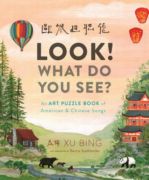
Seventeen traditional American and Chinese songs are written in artist Xu Bing’s signature Square Word Calligraphy.
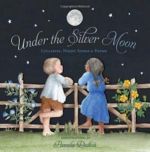
Cut-paper artist Pamela Dalton presents a collection of classic lullabies, traditional children’s songs, and poetry.
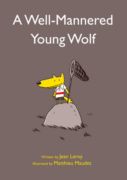
“A young wolf must fulfill his prey’s last wishes before he devours them”
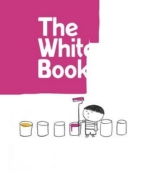
Roller in hand, a boy starts to paint a blank wall. First it’s a plain coat of pink. Then six birds emerge, perched on a branch. Wait, they were there a minute ago! Then he tries the blue paint, and it happens again: fourteen fish swimming in formation, until green paint reveals a giant dinosaur with big teeth and a mind of its own.
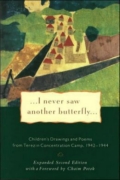
A total of 15,000 children under the age of fifteen passed through the Terezin Concentration Camp between the years 1942-1944; less than 100 survived. In these poems and pictures drawn by the young inmates of Terezin, we see the daily misery of these uprooted children, as well as their courage and optimism, their hopes and fears. The ghetto of Terezin (Theresienstadt), located in the hills outside Prague, was an unusual concentration camp in that it was created to cover up the Nazi genocide of the Jews. Billed as the “Fuhrer’s gift to the Jews, ” this “model ghetto” was the site of a Red Cross inspection visit in 1944. With its high proportion of artists and intellectuals, culture flourished in the ghetto – alongside starvation, disease, and constant dread of transports to the death camps of the east.
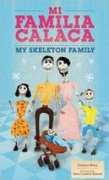
Welcome to the family! It’s just like yours: father, mother, sister, brother, abuelita, gato, even a great-great grandmother. Well, but there’s something just a little bit different about this particular family.
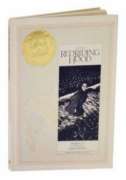
The cautionary tale “Little Red Riding Hood” is intrepreted by internationally-known photographer Sarah Moon. This title includes the original text by Perrault and features brilliantly stark imagery.