
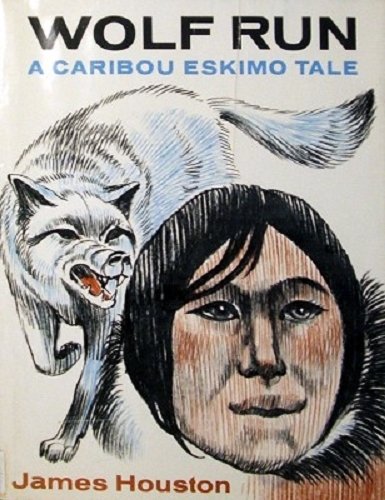
 When the caribou herds fail to return in the spring, famine becomes so acute that a young Eskimo boy sets out alone in search of food.
Age
Catalog sorted by age group
Anna’s Athabaskan Summer
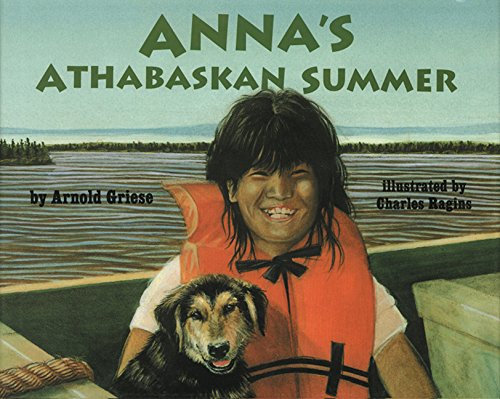 The everyday lives of the Athabaskan Indians come to life in the story of Anna’s family and their annual journey to a salmon fish camp as they remember the ways of their people by listening to Grandmother’s wise words.
Mayuk the Grizzly Bear: A Legend of the Sechelt People
This is a story of how one great-grandfather decides to give his great-grandson his special name in the Sechelt language. These traditional teaching legends come straight from the oral traditions of the Sechelt Nation.
James Houston’s Treasury Of Inuit Legends (Odyssey Classics (Odyssey Classics))
James Houston made his first journey to the Canadian Arctic in 1948 in search of a new land to paint. There he found a warm, friendly people living in a vast, cold, hauntingly beautiful world. He lived with the Inuit and Indian people in the Arctic and grew to understand them and their way of life. He also helped introduce Inuit culture to the world with his remarkable art and stories. Here are four of his exciting Inuit folktales–Akavak, Tiktaliktak, The White Archer, and Wolf Run–collected for the first time in one beautiful volume. Houston’s striking illustrations for each story bring the Arctic and its people to life. This inspired collection is sure to fascinate readers of all ages. Includes an introduction by Theodore Taylor.
The Earliest Americans
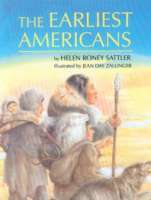
Presents the scientific evidence for the origins of the earliest people in the Americas and describes the accomplishments of their culturally diverse descendants prior to the arrival of Europeans in 1492.
No Time To Say Goodbye: Children’s Stories Of Kuper Island Residential School
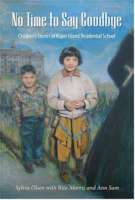
For most North Americans, the practice of sending First Nations children to aboriginal boarding schools is a chapter in history that seems best forgotten. But the generations of children who were rounded up and sent to those faraway schools won’t ever forget the day-to-day reality of that “chapter.” Often taken without warning or time to say goodbye to their families, children as young as five had their hair cropped short and their clothes taken away. Then they were deloused, dressed in uniforms and forbidden to speak their native language or practise their traditional arts, religion or dances. No Time to Say Goodbye is a fictional account of five children sent to aboriginal boarding school, based on the recollections of a number of Tsartlip First Nations people. These unforgettable children are taken by government agents from Tsartlip Day School to live at Kuper Island Residential School. The five are isolated on the small island and life becomes regimented by the strict school routine. They experience the pain of homesickness and confusion while trying to adjust to a world completely different from their own. Their lives are no longer organized by fishing, hunting and family, but by bells, line-ups and chores. In spite of the harsh realities of the residential school, the children find adventure in escape, challenge in competition, and camaraderie with their fellow students. Sometimes sad, sometimes funny, always engrossing, No Time to Say Goodbye is a story that readers of all ages won’t soon forget.
Just Talking About Ourselves: Voices of Our Youth
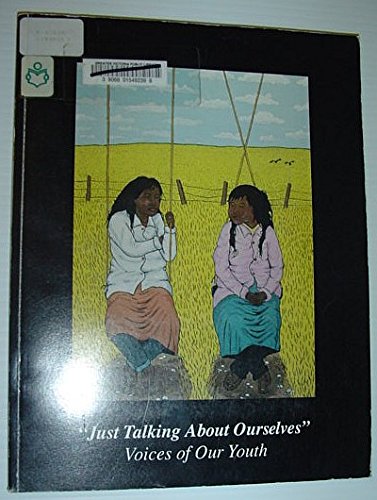 Collection of stories depicting Native life in urban and reservation settings.
A Sled Dog For Moshi
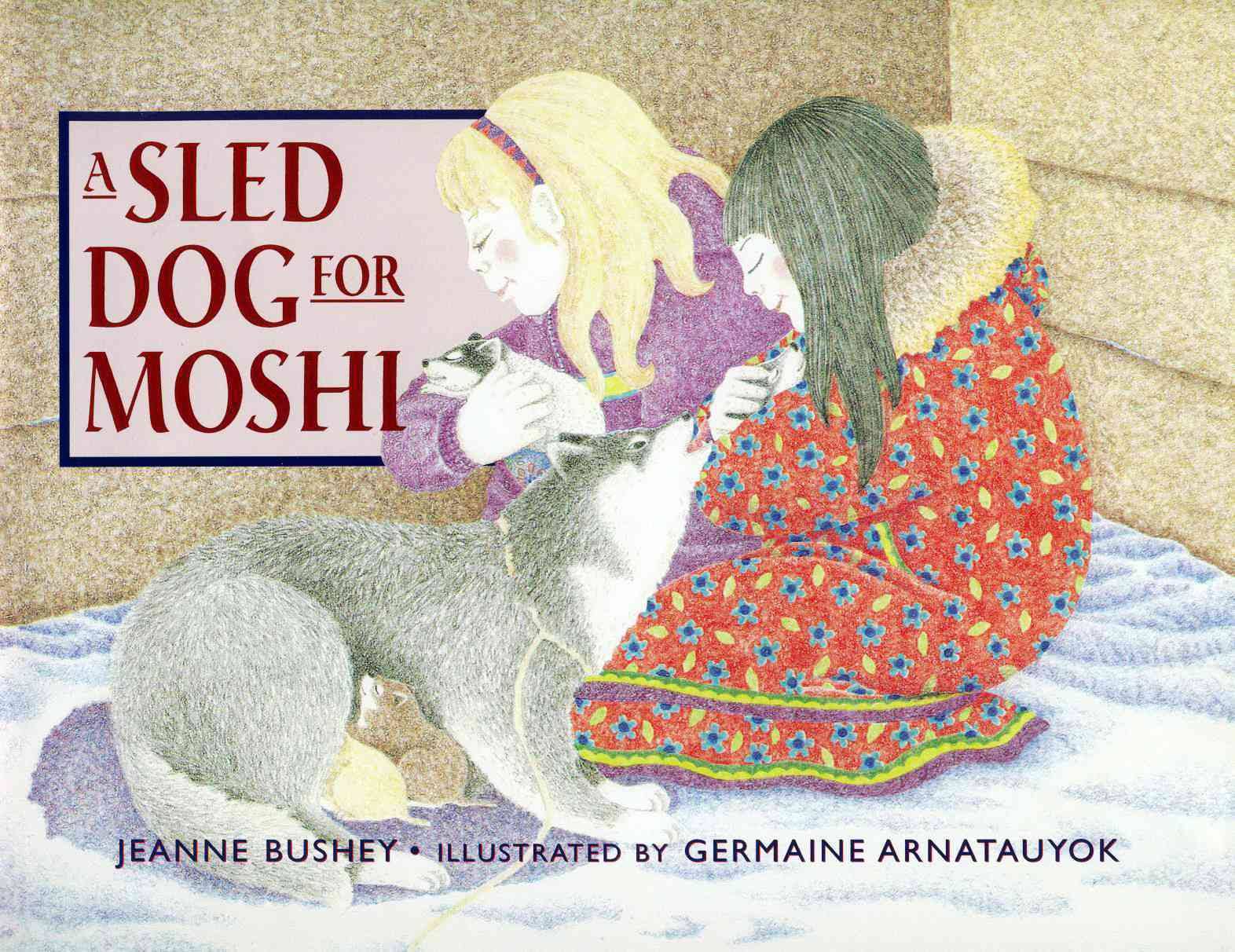 Moshi wants a pet dog like her friend Jessica has, but in Iqaluit, Alaska, dogs are used for racing or pulling sleds, not as pets.
How The Robin Got Its Red Breast: A Legend Of The Sechelt People (Legends Of The Sechelt Nation)
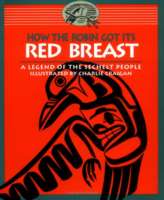
These traditional teaching legends come straight from the oral traditions of the Sechelt Nation. Simple enough to be understood by young children, yet compelling enough for adults, they are gentle, beautifully presented cautionary tales. You’ll want to read them again and again – and you’ll learn a few words of the Shishalh language while you’re at it. Charlie Craigan is a young Sechelt artist who works in a tiny studio set up in his bedroom. He studied traditional wood carving with Sechelt Nation carvers, but learned to draw and paint by studying books.
The Great Serum Race: Blazing The Iditarod Trail
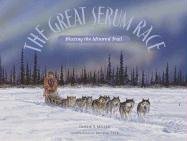 Ride shotgun with the heroic mushers whose bravery inspired the Iditarod. In the winter of 1925, Nome, Alaska, was hit by an unexpected and deadly outbreak of diphtheria. Officials immediately quarantined the town, but the only cure for the community of more than 1,400 people was antitoxin serum and the nearest supply was in Anchorage—hundreds of miles of snowbound wilderness away. The only way to get it to Nome was by dogsled. Twenty teams braved subzero temperatures and blizzard conditions to run over 600 miles in six days in a desperate relay race that saved the people of Nome. Several of the dogs, including Togo and Balto, became national heroes. Today their efforts, and those of the courageous mushers, are commemorated every March by the Iditarod Trail Sled Dog Race. Jon Van Zyle’s stunning oil paintings capture the brutal conditions, pristine wilderness, and sheer guts and determination demonstrated by the heroic mushers and dogs.