Presents the scientific evidence for the origins of the earliest people in the Americas and describes the accomplishments of their culturally diverse descendants prior to the arrival of Europeans in 1492.

Nonfiction genre
Presents the scientific evidence for the origins of the earliest people in the Americas and describes the accomplishments of their culturally diverse descendants prior to the arrival of Europeans in 1492.
 Ride shotgun with the heroic mushers whose bravery inspired the Iditarod. In the winter of 1925, Nome, Alaska, was hit by an unexpected and deadly outbreak of diphtheria. Officials immediately quarantined the town, but the only cure for the community of more than 1,400 people was antitoxin serum and the nearest supply was in Anchorage—hundreds of miles of snowbound wilderness away. The only way to get it to Nome was by dogsled. Twenty teams braved subzero temperatures and blizzard conditions to run over 600 miles in six days in a desperate relay race that saved the people of Nome. Several of the dogs, including Togo and Balto, became national heroes. Today their efforts, and those of the courageous mushers, are commemorated every March by the Iditarod Trail Sled Dog Race. Jon Van Zyle’s stunning oil paintings capture the brutal conditions, pristine wilderness, and sheer guts and determination demonstrated by the heroic mushers and dogs.
Glen Jackson, Jr., an eleven-year-old Ojibway Indian in northern Minnesota, goes with his father to harvest wild rice, the sacred food of his people.
A photo essay describing a young native Alaskan boy fishing for salmon on Kodiak Island as his ancestors have done for generations.
On September 4, 1805, in the upper Bitterroot Valley of what is now western Montana, more than four hundred Salish people were encamped, pasturing horses, preparing for the fall bison hunt, and harvesting chokecherries as they had done for countless generations. As the Lewis and Clark expedition ventured into the territory of a sovereign Native nation, the Salish met the strangers with hospitality and vital provisions, while receiving comparatively little in return. For the first time, a Native American community offers an in-depth examination of the events and historical significance of their encounter with the Lewis and Clark expedition. The result is a new understanding of the expedition and its place in the wider context of U.S. history. Through oral histories and other materials, Salish elders recount the details of the Salish encounter with Lewis and Clark-their difficulty communicating with the strangers through multiple interpreters and consequent misunderstanding of the expedition’s invasionary purpose, their discussions about whether to welcome or wipe out the newcomers, their puzzlement over the black skin of the slave York, and their decision to extend traditional tribal hospitality and gifts to the guests. What makes The Salish People and the Lewis and Clark Expedition a startling departure from previous accounts of the Lewis and Clark expedition is how it depicts the arrival of non-Indians-not as the beginning of history, but as another chapter in a long tribal history. Much of this book focuses on the ancient cultural landscape and history that had already shaped the region for millennia prior to the arrival of Lewis and Clark. The elders begin their vivid portrait of the Salish world by sharing creation stories and the traditional cycle of life. The book then takes readers on a cultural tour of the Native trails that the expedition followed. With tribal elders as our guides, we now learn of the Salish cultural landscape that was invisible to Lewis and Clark. The Salish People and the Lewis and Clark Expedition also brings new clarity to the profound upheaval of the Native world in the century prior to the expedition’s arrival, as tribes in the region were introduced to horses, European diseases, and firearms. The arrival of Lewis and Clark marked the beginning of a heightened level of conflict and loss, and the book details the history that followed the expedition: the opening of Salish territory to the fur trade, the arrival of Jesuit missionaries, the establishment of Indian reservations, the non-Indian development of western Montana, and more recently, the revival and strengthening of tribal sovereignty and culture. Conveyed by tribal recollections and richly illustrated, The Salish People and the Lewis and Clark Expedition not only sheds new light on the meaning of the expedition, but also illuminates the people who greeted Lewis and Clark, and despite much of what followed, thrive in their homeland today.
 Discusses Zimbabwe, including its history, conflicts, and the reasons why it is currently in the news.
Ms. Frizzle and her tour group are transported to ancient Egypt, where they learn about the pyramids, mummification, flooding of the Nile, and other aspects of life in Egypt long ago.
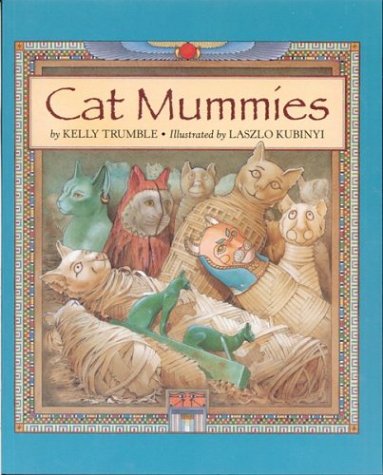 Clearly written text offers an answer to the question of why ancient Egyptians mummified thousands and thousands of cats. An easy-to-understand introduction to ancient Egyptian history. “Extensive research is evident in the many original sources quoted and the lengthy bibliography. . . . Kubinyi’s soft-focus watercolors work well to explain and break up the text.” — School Library Journal
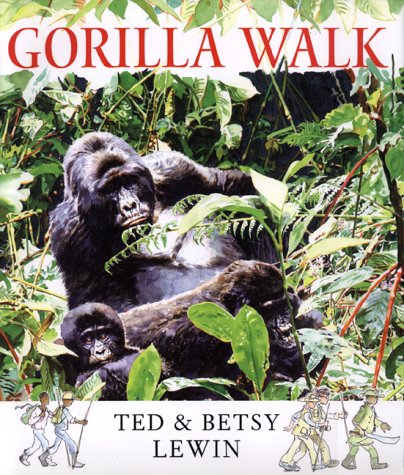 In 1997, Ted and Betsy Lewin trekked into the Impenetrable Forest in Uganda to see mountain gorillas in the wild. This real-life adventure story is the amazing saga of that trip. At moments funny, exhausting, educational, and enlightening, Gorilla Walk is filled with the wonder of nature in general–and of this magnificent animal in particular.Notable Children’s Trade Books in the Field of Social Studies 2000, National Council for SS & Child. Book Council, 2000 Notable Children’s Books (ALA), and Outstanding Science Trade Books for Children 2000–selected by Natn’l Science Tchrs Assoc. & Child. Bk Cncl.
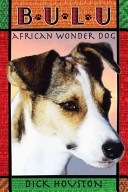
Fans of true dog stories, Jack Russell terriers, and African wildlife will want to check outBulu! Born on a crocodile farm in Zambia’s untamed South Luangwa Valley, the puppy seemed different from his littermates. Too quiet. Unresponsive. Terriers are usually full of energy and bouncing off walls. But not this one. Nobody wanted him. Enter Anna and Steve Tolan-former police officers who had left behind their life in England to live in the African bush. People thought the Tolans were a bit different, too. The peculiar puppy suited them perfectly. They named him Bulu, or “wild dog” in the local Nyanja language. Living in the bush, Bulu not only found his voice, he also found his calling as a foster parent to the orphaned baby animals-including warthogs, monkeys, elephants, baboons, bushbucks, and buffalo-cared for by the Tolans. But Bulu’s protective nature led him into terrifying situations in the wild. It’s a miracle he survived! But survive he did, disarming people with his wacky ways and nurturing once-unwanted creatures like him until they too could be set free. Bulu’s story is a joyful confirmation of dogs as unique spirits, capable of love, compassion, and bravery. Packed with vivid descriptions of encounters with crocodiles, lions, leopards, poisonous snakes, bull elephants, and more-and illustrated throughout with black-and-white photographs-Bulu: African Wonder Dogwill leave fans of dog stories begging for more!