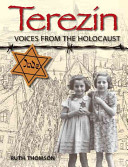
Terezin

Through inmates’ own voices and artwork, Terezin explores the lives of Jewish people in one of the most infamous of the Nazi transit camps. Between 1941 and 1945, Nazi Germany turned the small town of Terezin, Czechoslovakia, into a ghetto, and then into a transit camp for thousands of Jewish people. It was a “show” camp, where inmates were forced to use their artistic talents to fool the world about the truth of gas chambers and horrific living conditions for imprisoned Jews. Here is their story, told through the firsthand accounts of those who were there. In this accessible, meticulously researched book, Ruth Thomson allows the inmates to speak for themselves through secret diary entries, artwork, and excerpts from memoirs and recordings narrated after the war. Terezin: Voices from the Holocaust is a moving portrait that shows the strength of the human will to endure, to create, and to survive.
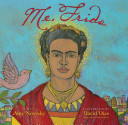
Me, Frida

Artist Frida Kahlo finds her own voice and style when her famous husband, Diego Rivera, is commissioned to paint a mural in San Francisco, California, in the 1930s and she finds herself exploring the city on her own.

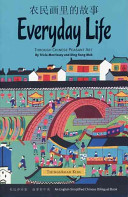
Everyday Life

Everyday Life introduces children to the vibrant world created by Shanghai’s Jinshan artists. From a watermelon harvest to an autumn festival to a child’s winter game, vivid, friendly peasant art brings everyday life in rural China into our lives. Simple, rhythmic poems, presented in English, Simplified Chinese, and Pinyin, beautifully accent each painting. Everyday Life’s colorful, bustling illustrations will capture a child’s imagination, while descriptive bilingual text invites English and Chinese readers to enjoy the sweetness of each page. ThingsAsian Kids presents a series of books introducing children to the beauty and wonder of Asia. Other ThingsAsian Kids books include My Mom is a Dragon and My Dad is a Boar, a whimsical introduction to Chinese paper cut art and the lunar calendar animals; Hiss! Pop! Boom! Celebrating Chinese New Year; and H is for Hong Kong, an international twist on the classic primer, featuring a lovely, hand-tinted cyanotype photograph.

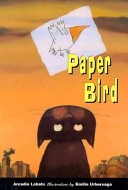
Paper Bird

A drawing of a bird tries without success to learn to fly, until the artist completes his original design and makes flight possible for it.

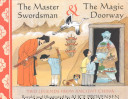
The Master Swordsman and the Magic Doorway: Two Legends from Ancient China

In two original stories set in ancient China, Little Chiu masters the sword and Mu Chi escapes death through his marvelous painting.

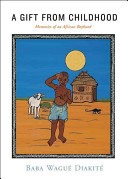
A Gift from Childhood: Memories of an African Boyhood

Baba Wagué is only four years old when he is sent to the tiny Malian village of Kassaro to be raised by his paternal grandparents, according to the family tradition. He is most unhappy about this at first, but under his grandmother’s patient and wise tutelage he comes to love his close-knit village community. He learns how to catch a catfish with his bare hands, flees from an army of bees, and mistakes a hungry albino cobra snake for a pink inner tube. Finally, Grandma Sabou decides that Baba is educated enough to go to school, and he moves back to the city, where his family struggles to provide him with a formal education. But he brings his village stories with him, and in the process of sharing them with his neighborhood uncovers his immense artistic and storytelling talents.

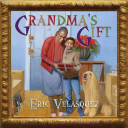
Grandma’s Gift

The author describes Christmas at his grandmother’s apartment in Spanish Harlem the year she introduced him to the Metropolitan Museum of Art and Diego Velazquez’s portrait of Juan de Pareja, which has had a profound and lasting effect on him.

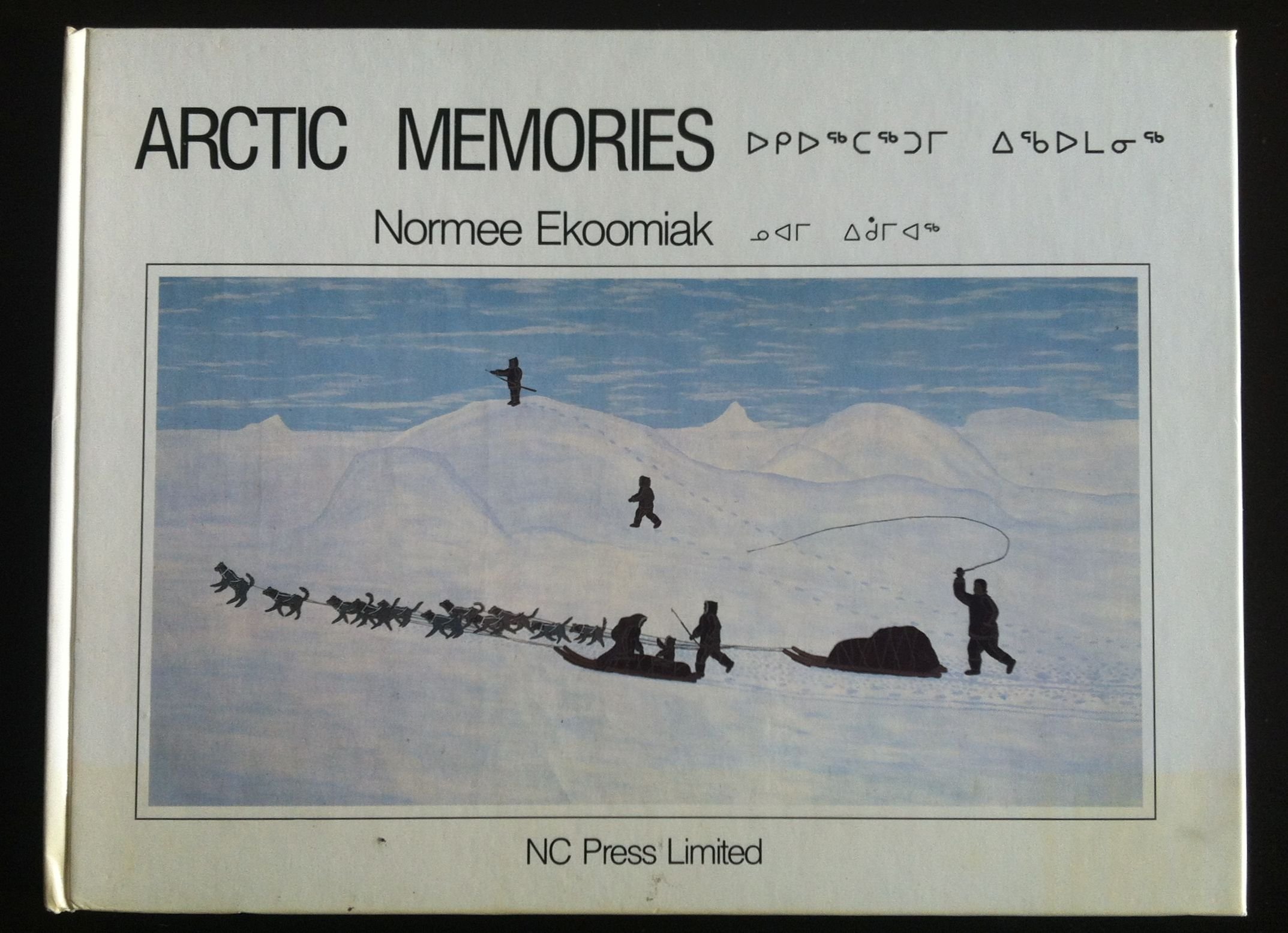
Arctic Memories

arctic memoriesHow does it feel to live in an igloo in arctic Quebec? What games do the people play? Normee Ekoomiak, an Inuit artist, looks back at his childhood in this outstanding, beautifully illustrated document of an artic lifestyle of years ago and a tribute to the people who live there still. 1990 Notable Children’s Trade Book in the Field of Social Studies.

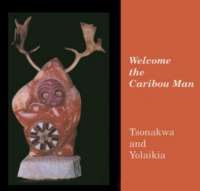
Welcome The Caribou Man

Abenaki artists Gerard Tsonakwa and his wife Yolaikia Wapitaska, working in stone, bone and wood, bring the ancient legends of the Abenaki people into the industrial age through juxtaposition of the stories with their masks and sculptures. This volume, illustrated with many of the works that have toured more than thirty museums since 1992, evokes ancient connections embodied in the legends and lore of traditional peoples.