Cuba 15 (Readers Circle)

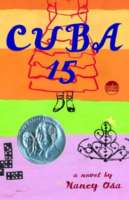
Violet Paz has just turned 15, a pivotal birthday in the eyes of her Cuban grandmother. Fifteen is the age when a girl enters womanhood, traditionally celebrating the occasion with a quinceañero. But while Violet is half Cuban, she’s also half Polish, and more importantly, she feels 100% American. Except for her zany family’s passion for playing dominoes, smoking cigars, and dancing to Latin music, Violet knows little about Cuban culture, nada about quinces, and only tidbits about the history of Cuba. So when Violet begrudgingly accepts Abuela’s plans for a quinceañero–and as she begins to ask questions about her Cuban roots–cultures and feelings collide. The mere mention of Cuba and Fidel Castro elicits her grandparents’sadness and her father’s anger. Only Violet’s aunt Luz remains open-minded. With so many divergent views, it’s not easy to know what to believe. All Violet knows is that she’s got to form her own opinions, even if this jolts her family into unwanted confrontations. After all, a quince girl is supposed to embrace responsibility–and to Violet that includes understanding the Cuban heritage that binds her to a homeland she’s never seen. This is Nancy Osa’s first novel.

From the Hardcover edition.

Alamo Wars

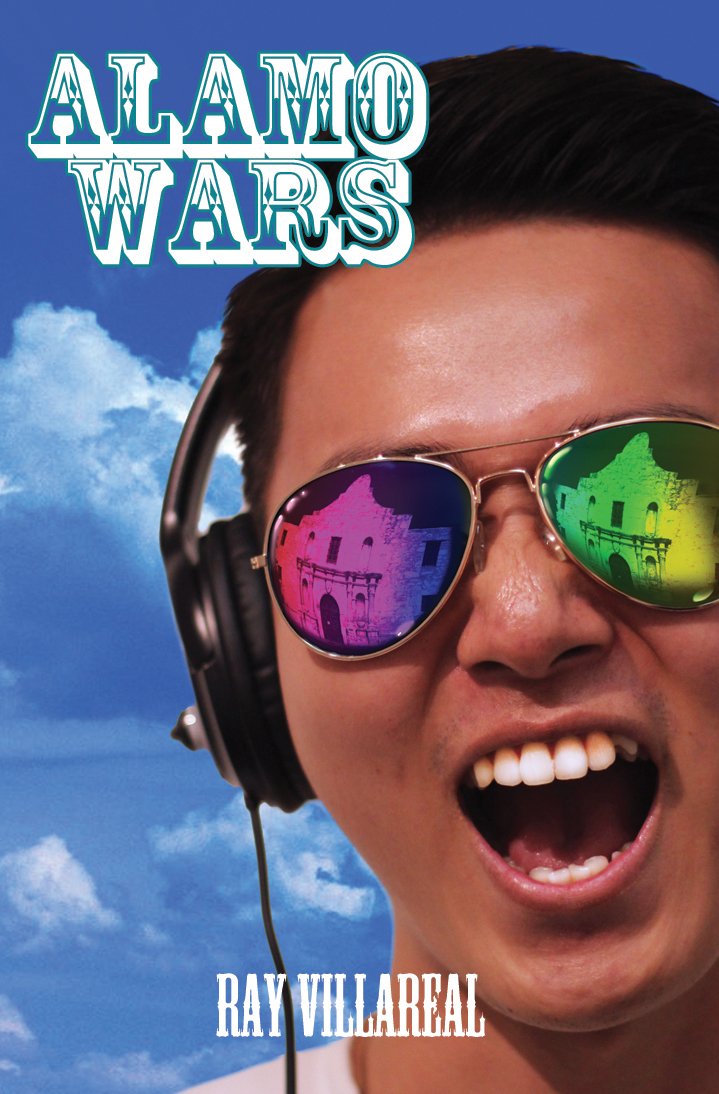
alamoJosephine “Miss Mac” McKeever had taught English and Theatre Arts at Rosemont Middle School for so long that her colleagues sometimes joked that she would die in the classroom. So when she does just that, students, teachers, and administrators are stunned. After getting over the initial shock of losing their colleague, the staff agrees that they need to do something very special to acknowledge Miss Mac’s fifty-one years of dedication to the students at Rosemont and suggest naming the school’s auditorium after her. When Mrs. Frymire, her long-time colleague and friend, discovers a play written by Miss Mac years before, she knows that it would be the perfect memorial to present the play, Thirteen Days to Glory: The Battle of the Alamo, in the school’s auditorium named after her friend. But the teachers quickly learn that presenting a play isn’t as easy as Miss Mac had always made it seem, and soon the entire school community is in an uproar as conflicts related to the play emerge. Seventh-grader and Golden Gloves boxer Marco Diaz is, at first, excited to be chosen to play Jim Bowie, the brave Texan who defended the Alamo against Santa Anna’s Mexican Army. But his friend Raquel, an undocumented immigrant, calls him a sell-out because she believes the play makes heroes out of the people who stole her ancestors’ land. And Sandy Martinez, Miss Mac’s much younger replacement, finds the Mexican characters’ dialogue not only politically incorrect but downright offensive. Miss Mac’s friends, though, are adamantly opposed to making changes. Ms. Martinez also tries to convince them that giving certain students plum roles in exchange for their parents’ contributions is wrong, but ends up leaving the production in frustration. Meanwhile, rehearsals only serve to increase the tension between Marco’s friend Izzy Pena and the school bully Billy Ray Cansler. And it’s only a matter of time before Billy Ray corners Izzy when Marco isn’t around to protect him. Weary from struggling with disruptive kids, teachers and kids dropping out of the play, and parents with unreasonable expectations, everyone begins to wonder if they should just give up and cancel the production. Is it too much to expect everyone to work together to pay homage to a long-time friend and teacher?

A Birthday Basket for Tia

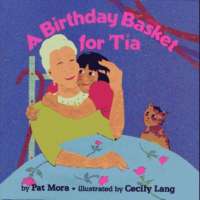
With the help of her cat, Chica, Cecilia prepares a special gift in honor of her great-aunt’s ninetieth birthday, a celebration basket filled with things to remind Tia of the wonderful moments that she and Cecilia have shared.

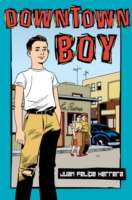
Downtown Boy (Tomas Rivera Mexican-American Children’s Book Award (Awards))

Juanito Paloma, his mother Lucha, and his elderly father Felipe, are a tiny family who, after years of working in the fields of California’s Central Valley, move to San Francisco’s Latin Mission District to live with relatives. Juanito longs to be in one place, rather than “going, going, going,” and pines for the love of his often-absent father. This family story of growing up Latino will resonate with readers of all backgrounds.

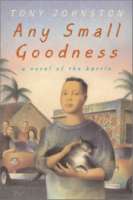
Any Small Goodness: A Novel of the Barrio

In this quiet, gentle novella reminiscent of Sarah, Plain and Tall, award-winning picture book writer Tony Johnston creates a moving story about a loving Chicano family in East LA. Filled with love, hope, and the exquisite beauty of a very special community, Tony Johnston¹s first novel is a warm and memorable gem.

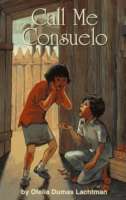
Call Me Consuelo

Intrigue and danger weave a web around young Consuelo as she is thrust into a new life in unfamiliar surroundings and a real life mystery that begs to be resolved.

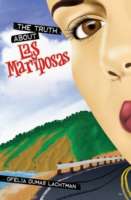
The Truth About Las Mariposas

Sixteen-year-old Carolina “Caro” Torres is excited about spending six weeks of her summer vacation working for her Tía Matilde, mainly because she needs money to buy the car she has been eyeing. But her excitement turns to bewilderment when she finds her aunt hobbling around on a broken foot and, much to her surprise, the owner of a bed and breakfast called Las Mariposas. Almost immediately Caro meets two young people–Andy and Sara–who fill her in on the goings-on around town. For reasons no one understands, the mayor is trying to put her Tía Matilde out of business. His efforts have forced many of the townsfolk to stop doing business with her. A broken foot and a relentless antagonist are too much for Matilde, and she is ready to give up her home and her livelihood. But the three young people convince Matilde that they can help her run the B&B while she recovers. Busy with cleaning rooms, buying groceries, and cooking meals for their guests, Caro and her new friends still find time to wonder why the mayor is so determined to run her aunt out of business. When Caro finds a piece of a mysterious, old letter that makes reference to a fortune left to an unknown individual, the young people are sure there’s a connection to the mayor’s attempts to gain ownership of Las Mariposas. Who could have written the letter? What “bequest” is it talking about? Popular young adult author Ofelia Dumas Lachtman has once again crafted an entertaining and intriguing mystery novel for teen readers.

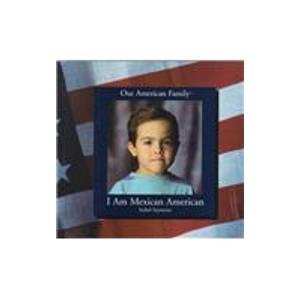
I Am Mexican American (Our American Family)

A Mexican-American child talks about aspects of his Mexican heritage, including language, foods, and customs.

Barrio: Jose’s Neighborhood

barrioWelcome to José’s neighborhood. In his barrio, people speak an easy mix of Spanish and English and sometimes even Chinese. The masked revelry of Halloween leads into the festive remembrances of the Day of the Dead. And murals on the walls and buildings sing out the stories of the people who live here. As familiar as any neighborhood yet as strange as a foreign country, Jose’s barrio isn’t in Mexico or Argentina–it’s in San Francisco. Award-winning author and photographer George Ancona follows José through a season in the barrio, and in the process gives readers a glimpse of a community as rich and varied as America itself.