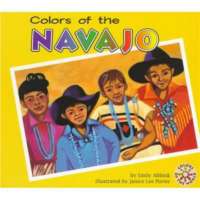
Uses colors to focus on the history, culture, and physical surroundings of the Navajo Indians.

Uses colors to focus on the history, culture, and physical surroundings of the Navajo Indians.
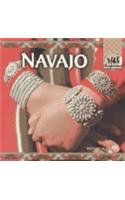
Presents a brief introduction to the Navajo Indians including information on their society, homes, food, clothing, crafts, and life today.
A retelling of the Indian legend which explains why the Navajo always plant a scattering of zinnia flowers among their food crops and respect every spider.
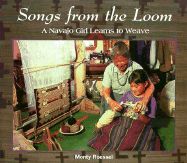
Jaclyn Roessel live in Kayenta, Arizona, on the Navajo reservation. Like most young girls, Jaclyn has many interests. She likes her math class, she plays basketball and volleyball, and she loves in-line skating. She is also interested in rug weaving, and she has asked her grandmother to teach her how to weave. For the Navajos, weaving is more than a craft or hobby. It is an important part of the culture and history of the Dine–the people. Jaclyn’s grandmother has explained that she wants Jaclyn to learn not just the technique of weaving but the stories and songs that go along with it. These stories about Spider Woman and Changing Woman have been passed down from generation to generation. In Songs from the Loom, photographer and writer Monty Roessel accompanies Jaclyn and her grandmother as they shear sheep, gather plants to dye wool, and weave a rug. Navajo rugs are highly valued and hang in museums around the world. This book looks at what the beautiful rugs mean to the Navajos.
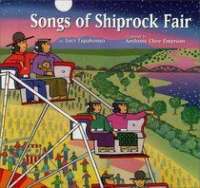
A young Navajo girl enjoys every part of the annual Shiprock Fair, including the dances, parade, carnival, exhibits, contests, food, and the chance to visit with relatives.
John’s mother is geting married and he has to leave the reservation. John’s grandfather tells him he has the special unbreakable code to take with him. This story portrays the quiet pride of a Navajo code talker as he explains to his grandson how the Navajo language, faith and ingenuity helped win World War II.
Collection of twenty poems accompanied by full color paintings of mountains, plateaus, deserts, and wildlife from the American Southwest and of the Native people who live there. Book begins with spiritual elements, moves on to told stories, Begay’s memories, members of the community, and rituals, and ends with hope for an early spring. Throughout there is a sense of striving to balance the old ways and beliefs with the intrusive outer world and to protect the Earth, which is regarded as sacred.
Chronicles the childhood of EdNah New Rider Weber as she is moved from her Pawnee home to live with her father on a Navajo reservation and then is again uprooted and placed in the Phoenix Indian School.
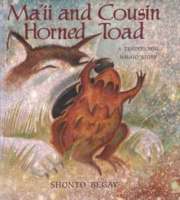
A lazy, conniving coyote takes advantage of his animal cousins until a horned toad teaches him a lesson he never forgets. A Navajo folktale.
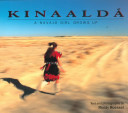
Celinda McKelvey, a Navajo girl, participates in the Kinaalda, the traditional coming-of-age ceremony of her people.
This book is featured in the October 2018 My Take/Your Take.